




NASA and Industry Electrify Commercial Aviation

NASA and U.S. industry are exploring electrified aircraft propulsion as a fuel- and- cost-efficient alternative to traditional jet engine-powered airplanes. But to make electric commercial flight possible, the aircraft must be able to produce and operate safely with at least a megawatt (MW) of power.
An electric single-aisle passenger aircraft like NASA’s STARC-ABL concept would require 2.4 MW of power – enough to run 2,000 homes. So, NASA and GE are partnering to accelerate the development of next-generation power inverters.
More From SAE Media Group
Aerospace INSIDER
NASA, GE Complete Historic Hybrid-Electric Propulsion Tests
Aerospace INSIDER
Wing Configuration Could Reduce Fuel Consumption
Aerospace INSIDER
Soft Magnetic Materials Are Key to Electric Aircraft
Aerospace INSIDER
Propulsion Technology Could Combat Flight Pollution
Aerospace INSIDER
NASA Uses Electric Propulsion in Experimental Plane
Aerospace INSIDER
NASA, US Industry Advance Small Core Aircraft Engines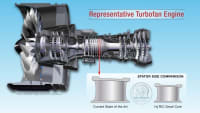
Aerospace & Defense Tech Briefs
New Research on Noise Reduction for Next Generation Aircraft Engines
Aerospace & Defense Tech Briefs
Small UAV Satcom System
Aerospace INSIDER
Propulsion System Could Enable Mach 17 Speed
Aerospace & Defense Tech Briefs
Hybrid Electric Aircraft Demonstrator
Aerospace INSIDER
Sikorsky is Designing a New Hybrid Electric Tilt Wing VTOL Demonstrator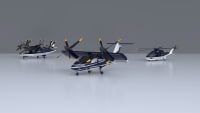
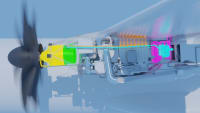
Aerospace INSIDER
Archer Aviation Completes Midnight eVTOL Transition Flight Milestone
Aerospace INSIDER
Machine Could Power the Future of Aviation Propulsion
Aerospace INSIDER
Air Force Pilots Perform Remote Flights with Joby eVTOL



Aerospace INSIDER
Delta Air Lines, JetZero to Design Commercial Blended Wing Body Airliner
Tech Briefs
How Jet Engine Flow Can Be Controlled Optically
Tech Briefs
Novel Turboelectric Aircraft Design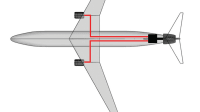

Aerospace INSIDER
Hermeus Rolls Out First Quarterhorse Hypersonic Test Aircraft
Aerospace INSIDER
Airbus Preparing to Fly New Prototype eVTOL This Year


Aerospace INSIDER
NASA Creates a Better Electric Aircraft Battery
NASA Spinoff
Battery Innovations Power All-Electric Aircraft
Aerospace & Defense Tech Briefs
Embry-Riddle, Powering Imagination Partner on Electric Aircraft Project
Top Stories
NewsSensors/Data Acquisition
 Microvision Aquires Luminar, Plans Relationship Restoration, Multi-industry Push
INSIDERRF & Microwave Electronics
 A Next Generation Helmet System for Navy Pilots
INSIDERWeapons Systems
 New Raytheon and Lockheed Martin Agreements Expand Missile Defense Production
NewsAutomotive
 Ford Announces 48-Volt Architecture for Future Electric Truck
INSIDERAerospace
 Active Strake System Cuts Cruise Drag, Boosts Flight Efficiency
ArticlesTransportation

Webcasts
Aerospace
 Cooling a New Generation of Aerospace and Defense Embedded...
Energy
 Battery Abuse Testing: Pushing to Failure
Power
 A FREE Two-Day Event Dedicated to Connected Mobility
Automotive
 Quiet, Please: NVH Improvement Opportunities in the Early Design Cycle
Electronics & Computers
 Advantages of Smart Power Distribution Unit Design for Automotive &...
Unmanned Systems
 Sesame Solar's Nanogrid Tech Promises Major Gains in Drone Endurance