




NASA UAV Flies Alone in Public Airspace
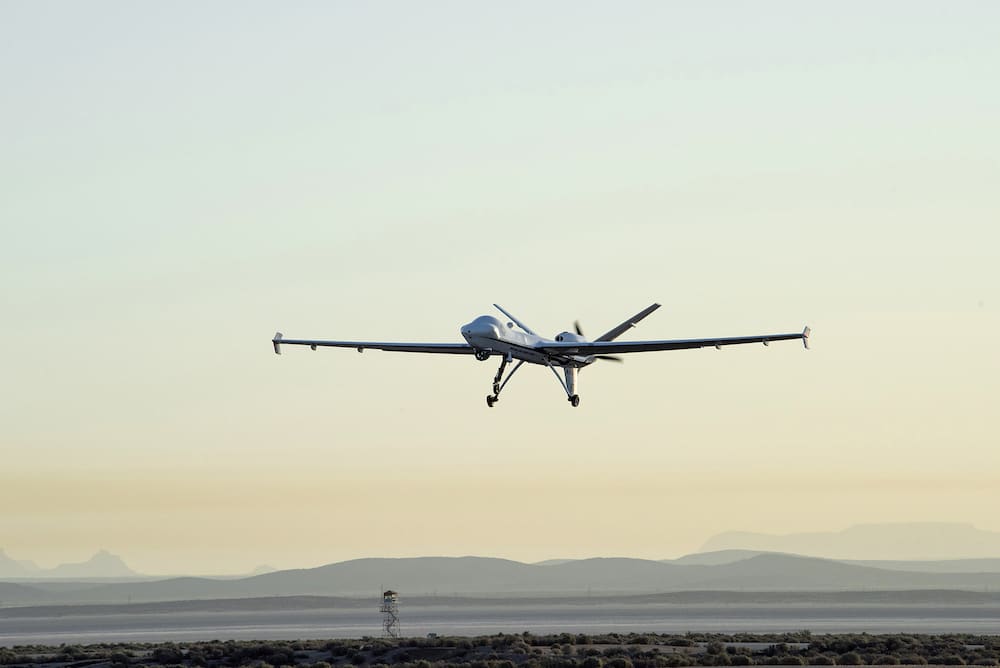
NASA’s remotely piloted Ikhana aircraft successfully flew its first mission in the National Airspace System without a safety chase aircraft on Tuesday. Flying these large remotely piloted aircraft over the United States opens the doors to all types of services, from monitoring and fighting forest fires, to providing new emergency search and rescue operations. The technology in this aircraft could, at some point, be scaled down for use in other general aviation aircraft.
The flight was the first remotely piloted aircraft to use airborne detect and avoid technology to meet the intent of the FAA’s “see and avoid” rules, with all test objectives successfully accomplished.
More From SAE Media Group
Aerospace INSIDER
NASA Tests Could Lead to FAA Integration of UAVs
Aerospace INSIDER
NASA System Would Enable Unmanned Aircraft to Fly in US Airspace
Aerospace INSIDER
EASA Ready to Adopt Final Regulations for eVTOL Operations
Aerospace INSIDER
Crashing Into Safe Autonomous Flight
Aerospace INSIDER
Reliable Robotics to Provide Aircraft Automation Study for US Air Force
Aerospace INSIDER
Air Traffic Lab Answers Questions About Future Flying

Tech Briefs
NASA Prepares Flight Tests of Unmanned Aircraft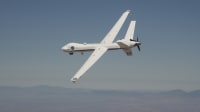

Tech Briefs
Preventing Gridlock on the Ground
NASA Spinoff
Technologies Advance UAVs for Science, Military
NASA Spinoff
Flying in the Fast Lane with Air Traffic Software
Aerospace & Defense Tech Briefs
Low Cost Air Traffic Control for Drones
NASA Spinoff
AirMap Guides Drones toward Widespread Use
NASA Spinoff
From Shark Searches to Space Tours
Aerospace INSIDER
FAA to Replace Aging Network of Ground-Based Radars
NASA Spinoff
An Electronic Traffic Monitor for Airports
Aerospace INSIDER
Platform Converts Standard Aircraft to UAV, and Back
Aerospace INSIDER
Archer Achieves First Untethered Flight with Midnight eVTOL

Motion Design INSIDER
AI-Powered Vision System Helps Drones Navigate Safely
Automotive Engineering
Bye Aerospace’s Solar-Electric Prototype Completes First Flight
Aerospace & Defense Tech Briefs
Remotely Piloted Air Systems
Aerospace & Defense Tech Briefs
Remotely Piloted Aircraft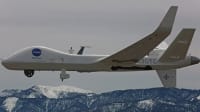
Aerospace INSIDER
NASA Technologies Improve Drone Design
Top Stories
NewsSensors/Data Acquisition
 Microvision Aquires Luminar, Plans Relationship Restoration, Multi-industry Push
INSIDERRF & Microwave Electronics
 A Next Generation Helmet System for Navy Pilots
INSIDERWeapons Systems
 New Raytheon and Lockheed Martin Agreements Expand Missile Defense Production
NewsAutomotive
 Ford Announces 48-Volt Architecture for Future Electric Truck
INSIDERAerospace
 Active Strake System Cuts Cruise Drag, Boosts Flight Efficiency
ArticlesTransportation

Webcasts
Aerospace
 Cooling a New Generation of Aerospace and Defense Embedded...
Energy
 Battery Abuse Testing: Pushing to Failure
Power
 A FREE Two-Day Event Dedicated to Connected Mobility
Automotive
 Quiet, Please: NVH Improvement Opportunities in the Early Design Cycle
Electronics & Computers
 Advantages of Smart Power Distribution Unit Design for Automotive &...
Unmanned Systems
 Sesame Solar's Nanogrid Tech Promises Major Gains in Drone Endurance