




Bye Aerospace’s Solar-Electric Prototype Completes First Flight
The company will use the prototype as a branching-off point to further develop a piloted version and a long-endurance unmanned pseudo satellite
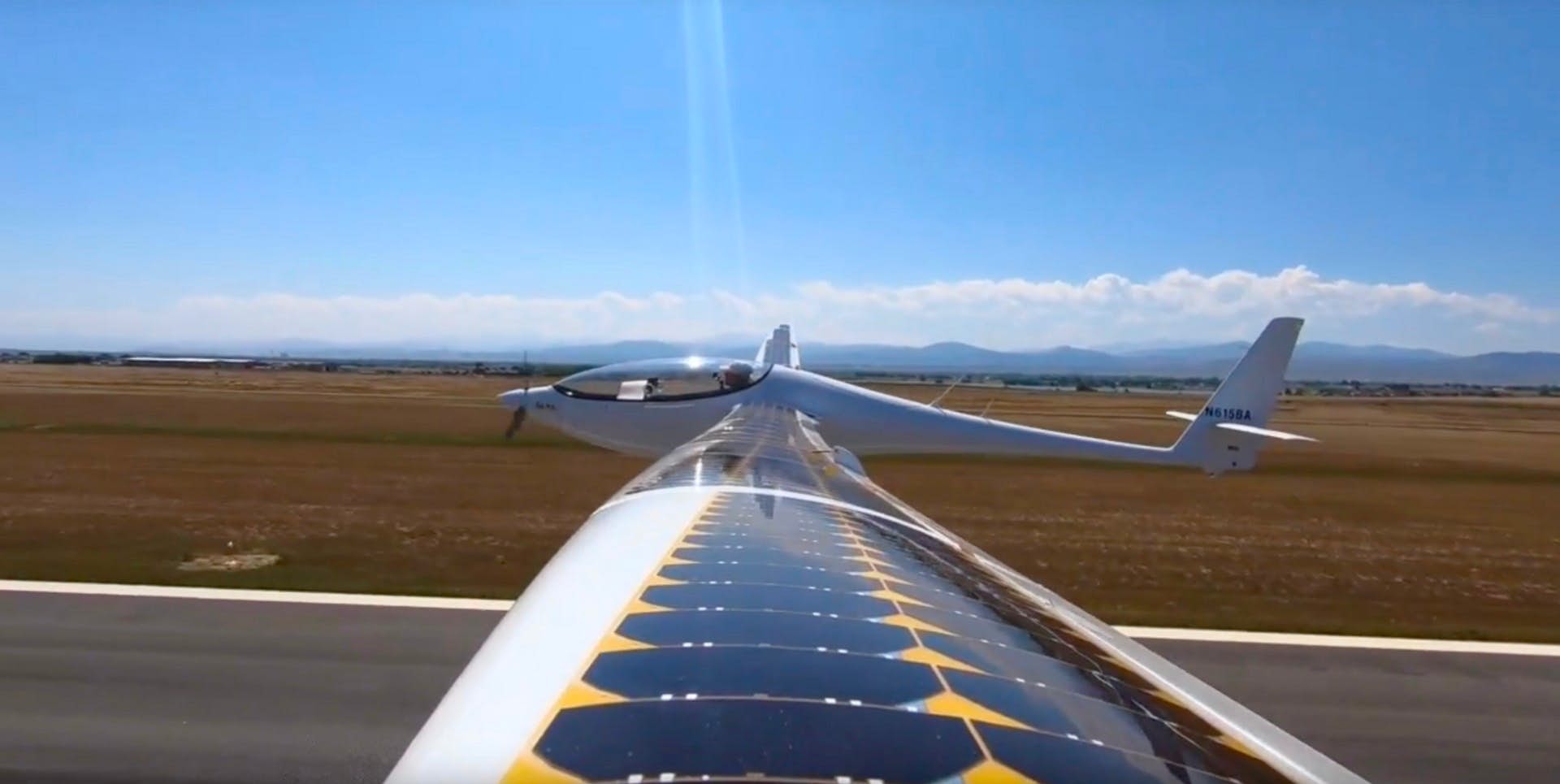
Bye Aerospace of Englewood, Colo. recently completed the first flight of its solar electric technology demonstrator prototype. The first flight – on August 20 – and subsequent flight tests occurred at Northern Colorado Regional Airport and will provide crucial flight data required for the development of Bye Aerospace’s “StratoAirNet” and “Solesa” families of medium-altitude aircraft systems.
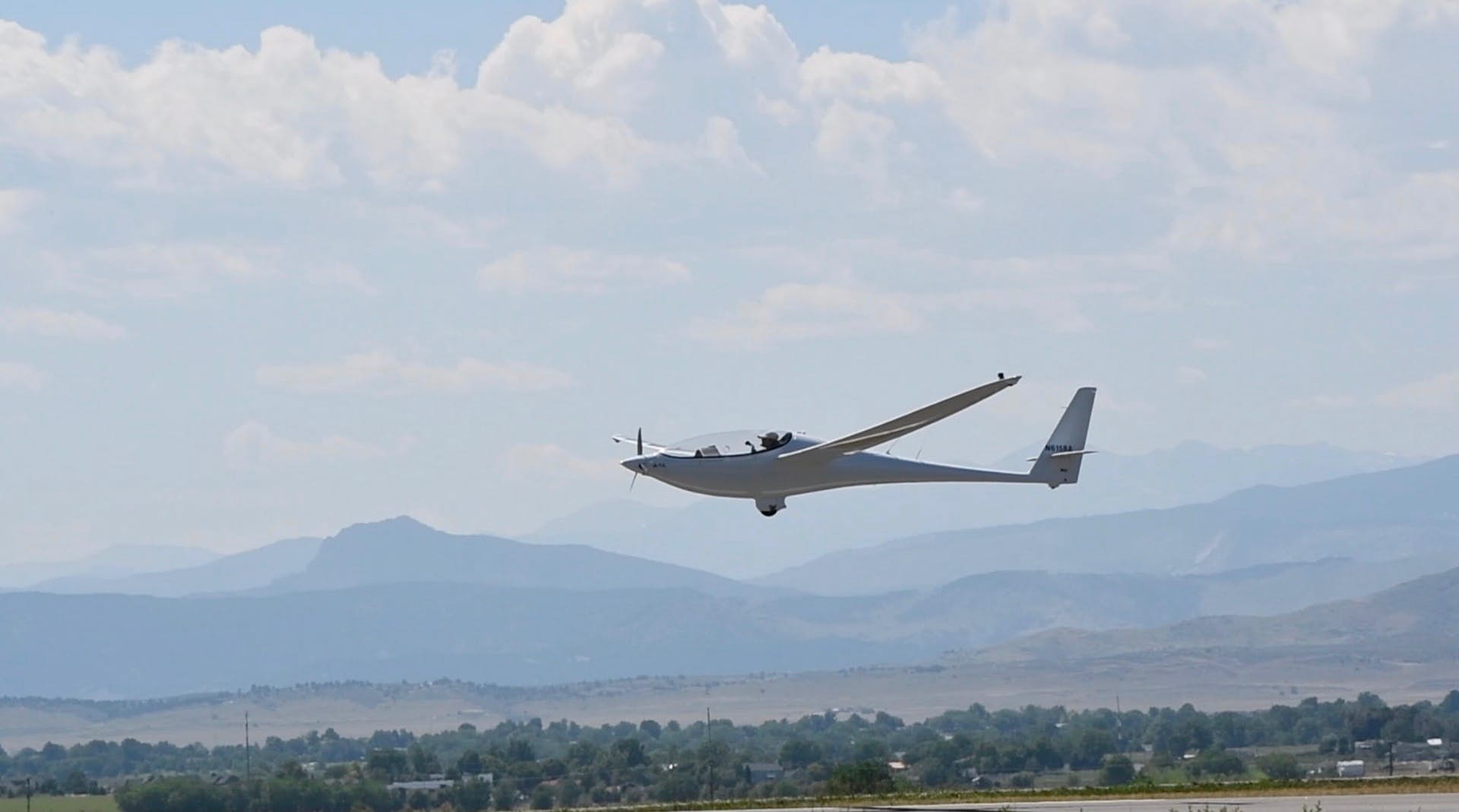
The piloted Solesa (which is short for Solar-Electric Survey Aircraft) and the optionally-piloted StratoAirNet unmanned aerial vehicle (UAV), or drone, are designed to provide support for long-endurance commercial and government security requirements, including patrol, geospatial observation, utility, mapping, precision agriculture, search and rescue, and surveillance missions.
The Solesa will perform short-duration patrol and survey missions and serve as a research and development test platform for new customer payloads. Bye Aerospace’s initial development of a piloted solar-powered aircraft will allow for immediate airspace access and a faster time-to-market – as in, not having to navigate UAV flight clearance and the associated beyond-visual-line-of-sight (BVLOS) system and regulatory nuances – at a fractional operational cost and environmental impact compared to a conventionally-powered aircraft.
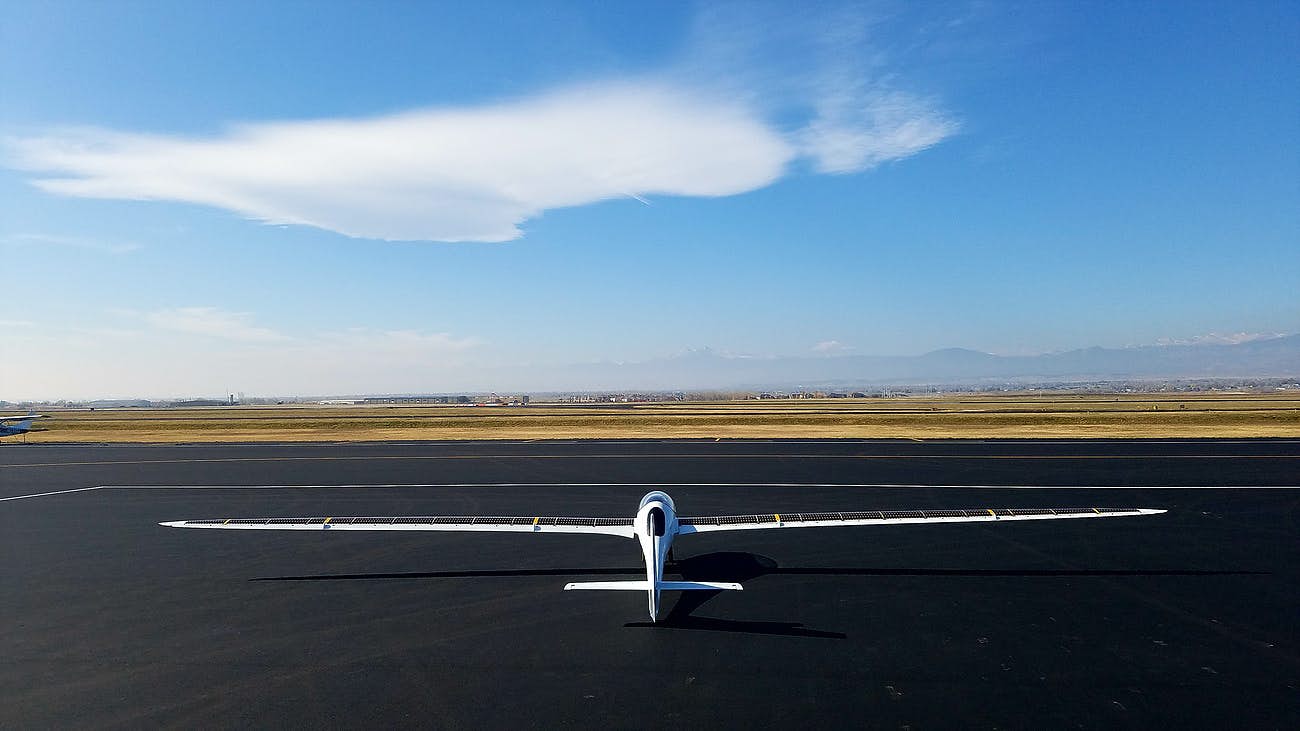
However, as Bye Aerospace develops its unmanned flight capabilities and addresses airspace restrictions, a lower-weight, longer-endurance unmanned StratoAirNet iteration will fill a medium-altitude pseudo-satellite capable of completing missions that call for lengthier loiter and observation durations.
Related: Airbus’ “high-altitude pseudo-satellite” (HAPS) Zephyr S breaks world flight endurance record during maiden flight
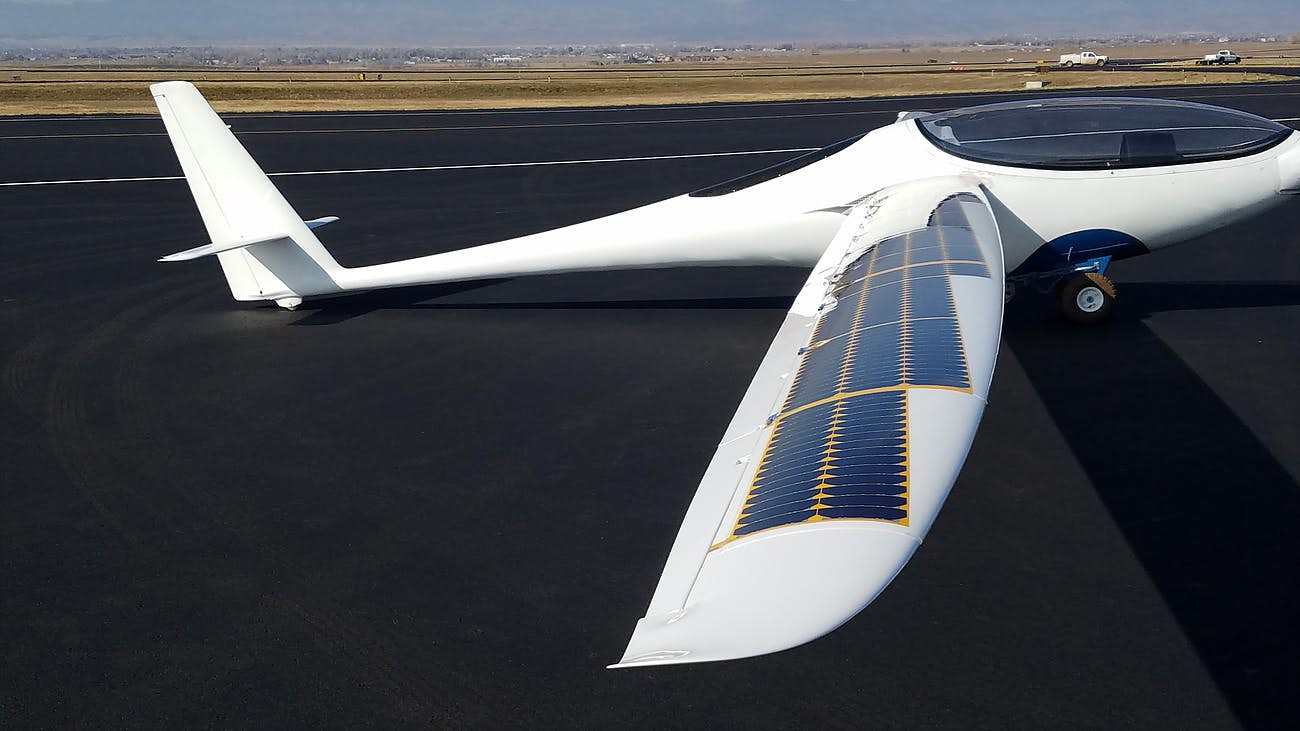
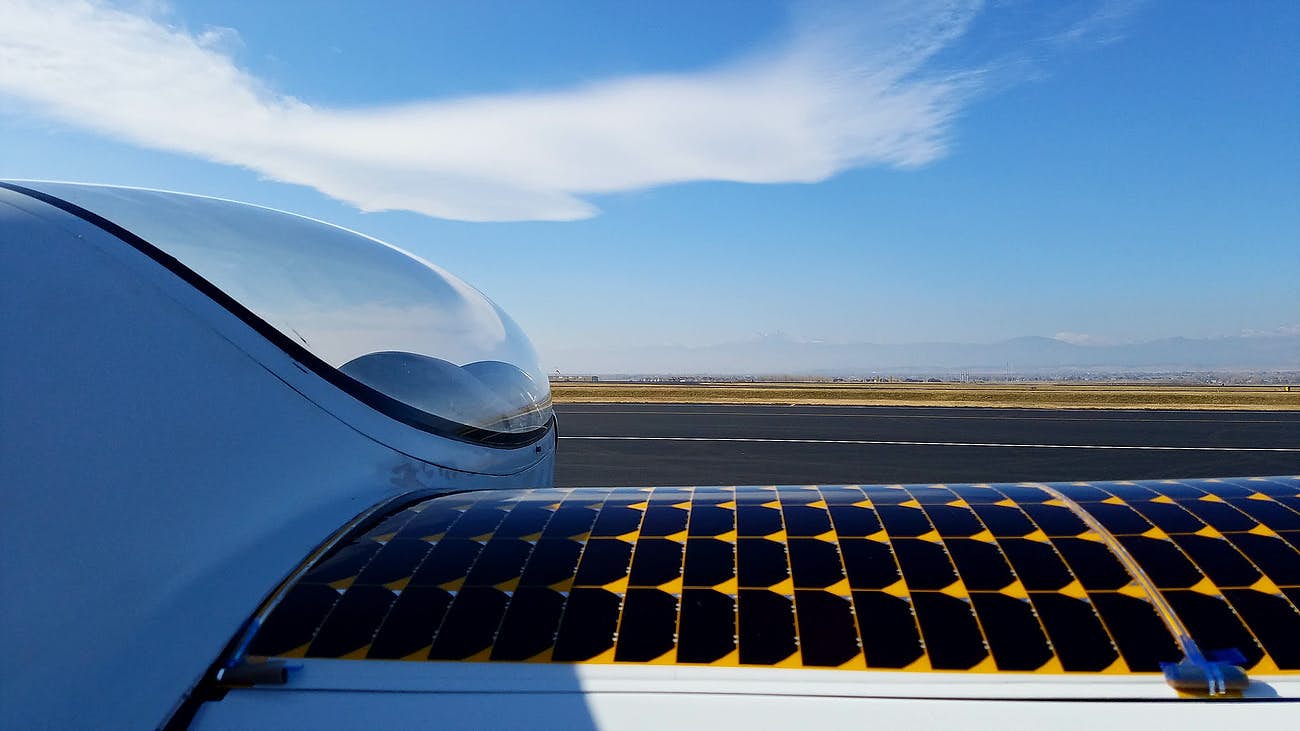
The recent test flights of Bye Aerospace’s technology demonstrator will also help to expedite sensor payload integration for the Solesa and StratoAirNet aircraft as those programs mature.
Both StratoAirNet and Solesa offer unique advantages over traditional systems, including lower unit cost, lower heat and noise signatures, lower operating costs and enhanced utility.
George E. Bye, CEO and founder of Bye Aerospace, describes the first flight as a significant industry milestone. “It was a great day for solar-electric aviation,” he says. “My thanks to our entire team for their persistence and extra efforts to achieve this milestone. I would also like to thank the professionals at Northern Colorado Regional Airport for their cooperation in making these flights possible.”
Solar-powered pioneers
The August flight of the Bye Aerospace’s new demonstrator comes months after the first flight of one of the company’s earliest projects: the “ Sun Flyer 2 ” aircraft. The Sun Flyer, which first flew in April, is a two-seat, solar-powered aircraft geared towards the general aviation market and reducing the ecological and often-prohibitive flight training costs associated with conventional fuel.
Bye Aerospace developing the Sun Flyer 2 to meet U.S. Federal Aviation Regulation (FAR) Part 23 airworthiness standards for normal, utility, acrobatic, and commuter aircraft.
From the grassroots of general aviation, Bye Aerospace’s solar-powered flight technology may one day reach for off-world flight. Already partnered with SolAero (a provider of solar panels to major spacecraft manufacturers), Bye Aerospace intends to investigate solar-paneled aircraft concepts for performing survey missions on Mars and other planetary bodies of interest.
William Kucinski is content editor at SAE International, Aerospace Products Group in Warrendale, Pa. Previously, he worked as a writer at the NASA Safety Center in Cleveland, Ohio and was responsible for writing the agency’s System Failure Case Studies. His interests include 'literally anything that has to do with space,' past and present military aircraft, and propulsion technology. And also sportscars.
Contact him regarding any article or collaboration ideas by e-mail at
More From SAE Media Group
Aerospace & Defense Tech Briefs
Bye Aerospace’s Sun Flyer Is Now the “EFlyer”
Aerospace & Defense Tech Briefs
Lockheed Martin and Arconic Collaborate on 3D Printing and Advanced Aerospace Materials
Aerospace & Defense Tech Briefs
Airbus Zephyr S Breaks World Flight Endurance Record During Maiden Flight
Aerospace & Defense Tech Briefs
SAE International Launches Aerospace Technology Symposium at Japan Aerospace 2018
Aerospace & Defense Tech Briefs
General Atomics Moves Toward Global RPA Flight Certification for MQ-9B SkyGuardian
Aerospace & Defense Tech Briefs
SAE International Extends Call for Abstracts, Seeks Submissions for AeroTech Conference
Aerospace & Defense Tech Briefs
Boeing Reports on Its Environmental Efforts
Aerospace & Defense Tech Briefs
Industry Invited to Participate in AeroTech Aerospace and Defense Technical Program
Aerospace & Defense Tech Briefs
NASA Crash Landing Is a Complete Success
Aerospace & Defense Tech Briefs
Connected Aircraft Technologies Benefit Manufacturers, Airlines, and Travelers
Aerospace & Defense Tech Briefs
AIA Predicts Flying Air Taxis, Supersonic Air Travel, and Space Industry for 2050
Aerospace & Defense Tech Briefs
AVIC Subsidiary Continental Aerospace Will Power the Upcoming Diamond DA50, Expands into Electric Propulsion
Aerospace & Defense Tech Briefs
NASA and AeroVironment Are Building a Helicopter for Mars
Aerospace & Defense Tech Briefs
Stratolaunch Composite Air-Launch Aircraft Pulls the Wheels up During Latest Taxi Test

Aerospace & Defense Tech Briefs
Boeing and NASA Unveil Lightweight, Ultra-Thin, More Aerodynamic Transonic Truss-Braced Wing Concept
Aerospace & Defense Tech Briefs
ONERA and DLR Shake up the Airbus BelugaXL Cargo Aircraft
Aerospace & Defense Tech Briefs
Stratolaunch All-Composite Aircraft Achieves First Flight
Aerospace & Defense Tech Briefs
SAE International Issues, Revises Technical Reports for Aerospace Engineering
Aerospace & Defense Tech Briefs
General Atomics Plans First Trans-Atlantic Flight of Medium-Altitude, Long-Range Remotely Piloted Aircraft

Aerospace & Defense Tech Briefs
Orbex Debuts Innovative Smallsat Launch Vehicle
Aerospace & Defense Tech Briefs
Air Mobility Innovations Take Center Stage at Aerospace Systems and Technology Conference
Aerospace & Defense Tech Briefs
Boeing, SparkCognition Partner on Safe Integration of Autonomous Air Vehicles in Airspace

Aerospace & Defense Tech Briefs
Sensuron Enables Real-Time Structural Health Monitoring Onboard NASA’s X-56 UAV
Automotive Engineering
NASA Picks Lockheed to Build Low-Boom X-Plane
Aerospace & Defense Tech Briefs
Aircraft, Engine Orders Reach $98B, Focus on Flying Farther, Faster, Greener at Farnborough Airshow
Aerospace & Defense Tech Briefs
FAA, SAE International Focus on Engine Fire Protection System Standards for Aerospace
Automotive Engineering
SAE International Releases New Process for Measuring Aerosols in Aircraft Exhaust
Transcript
No transcript is available for this video.
Top Stories
NewsSensors/Data Acquisition
 Microvision Aquires Luminar, Plans Relationship Restoration, Multi-industry Push
INSIDERRF & Microwave Electronics
 A Next Generation Helmet System for Navy Pilots
INSIDERWeapons Systems
 New Raytheon and Lockheed Martin Agreements Expand Missile Defense Production
NewsAutomotive
 Ford Announces 48-Volt Architecture for Future Electric Truck
INSIDERAerospace
 Active Strake System Cuts Cruise Drag, Boosts Flight Efficiency
ArticlesTransportation

Webcasts
Aerospace
 Cooling a New Generation of Aerospace and Defense Embedded...
Energy
 Battery Abuse Testing: Pushing to Failure
Power
 A FREE Two-Day Event Dedicated to Connected Mobility
Automotive
 Quiet, Please: NVH Improvement Opportunities in the Early Design Cycle
Electronics & Computers
 Advantages of Smart Power Distribution Unit Design for Automotive &...
Unmanned Systems
 Sesame Solar's Nanogrid Tech Promises Major Gains in Drone Endurance