




When Innovation Outpaces Infrastructure: R&D’s New Reality in Aerospace
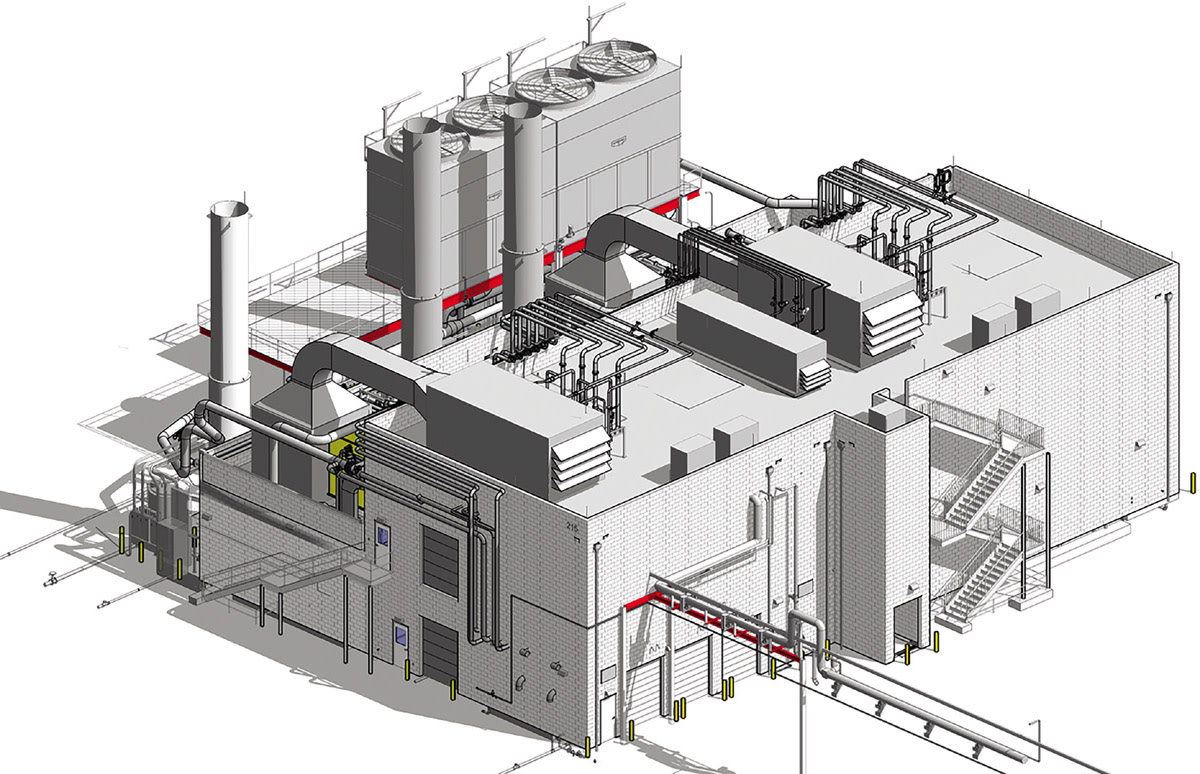
Aerospace research and development (R&D) is at a turning point. Emerging technologies promise faster and more efficient systems, but also expose deep limitations in aging infrastructure, siloed processes, and manual workflows. The growing disconnect between technological advances and the physical and organizational infrastructures that support them creates a bottleneck to industry progress. Electric actuation, advanced automation, and software-driven testing are becoming the norm, challenging manufacturers to adapt without disrupting operational stability. Navigating this tension requires strategic investments, flexible design thinking, and a willingness to break from legacy approaches that can no longer support the innovations driving the industry forward.
Technological Transformation and Testing Demands
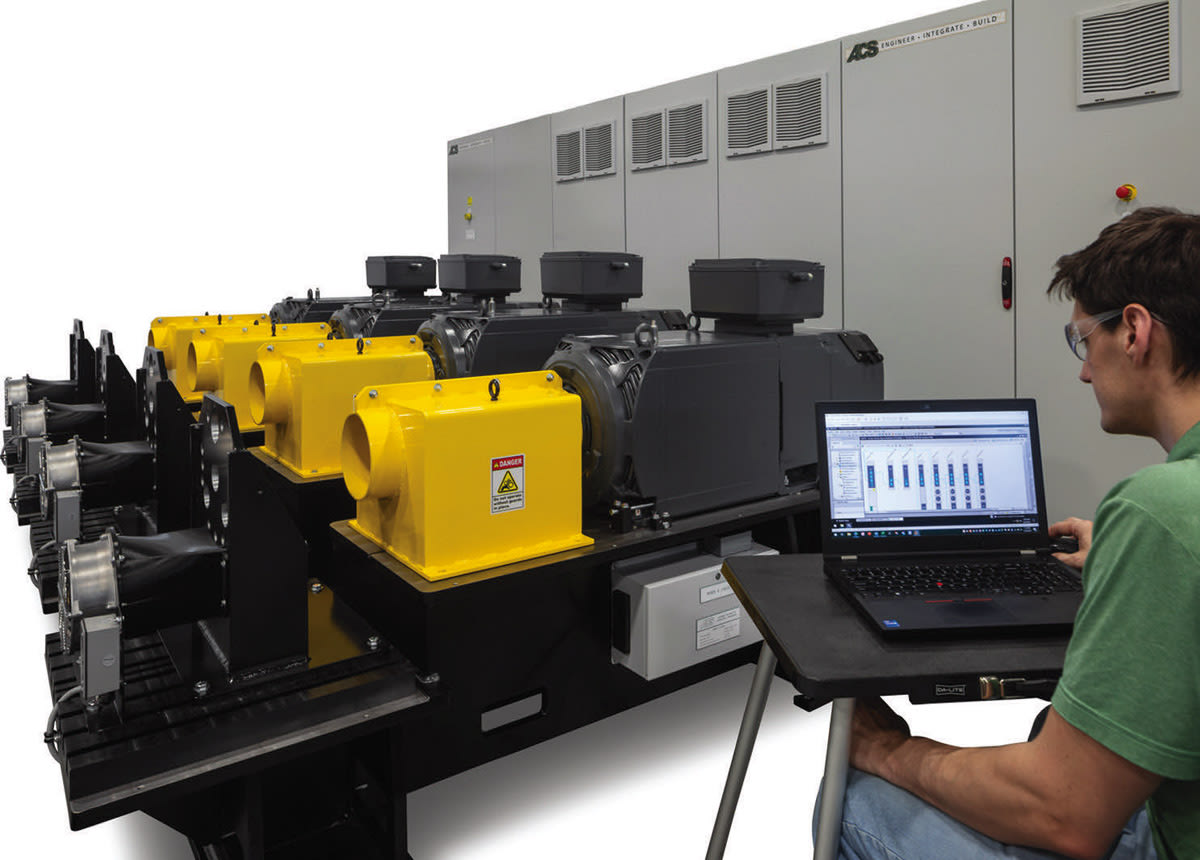
As aerospace systems become more intricate, traditional testing methods are reaching their limits. The dwindling pool of skilled technicians hastens the shift toward automation, transforming it from a strategic advantage to an operational necessity. Once reliant on experienced technicians and engineers for hands-on testing, legacy setups are giving way to automated systems that reduce manual intervention, meet higher safety standards, and collect significantly more data with greater fidelity through integrated intelligent controls. Electro servo motors now can drive linear actuators, with encoders providing precise stroke position feedback and load cells measuring force applied to the test article. Automation software uses these inputs to simulate real-world operational conditions, replicating motion dynamics and delivering high-fidelity data for analysis. A turbofan manufacturer now uses an AGV-mounted match plate to automate assembly and testing. The AGV docks with a fully automated test cell, completing all fluid and electrical connections without manual intervention. Once testing is triggered by an operator, the system runs, drains, and weighs fluids entirely autonomously, streamlining labor and improving consistency.
Simultaneously, the industry is transitioning from hydraulic to hybrid and electric actuation, moving away from mechanical linkages that once ensured synchronization. Electric systems require real-time digital coordination, with software now responsible for timing, balance, and fault tolerance. This shift increases complexity but also offers greater adaptability.
Companies can adopt an abstraction model that decouples control software from hardware to manage this complexity. By inserting a communication dispatcher between the two layers, teams can swap hardware without needing to rewrite or revalidate core functionality, saving time, reducing risk, and extending the system’s life while mitigating hardware obsolescence.
Digital Simulation and Extreme Testing Environments
According to Capgemini’s 2023 research report, “Will Digital Twin Revolutionize the Aerospace and Defense Sector?,” 73 percent of aerospace and defense organizations now have digital twin roadmaps, with 61 percent viewing them as a strategic objective. The massive investment by aerospace companies in digital twins reflects their growing role beyond the design phase, becoming central to the testing, validation, and refinement of integrated aerospace systems. By creating interactive digital replicas of entire plants or subsystems, engineers can simulate performance, test integration scenarios, and validate changes virtually. This capability significantly reduces upfront costs and risks associated with physical prototyping. These virtual environments rely on integrated high-speed data acquisition systems that can manage multiple communication protocols simultaneously—the same protocols that enable modern electric actuation systems to function with precision.
Additionally, supersonic and hypersonic aircraft development necessitates more extreme testing environments. Hypersonic systems require ground-based methods to replicate conditions that can’t be physically reached in real time. Speeds up to Mach 10 introduce extreme thermal, structural, and aerodynamic demands that legacy test systems were never designed to handle. Modern platforms rely on electronically coordinated systems to validate hardware performance and software control with exceptional precision in super- and hypersonic test environments.
Propulsion Innovation and Regulatory Challenges
Technological exploration and regulatory pressure are reshaping the propulsion landscape. The European Union’s adoption requirements for sustainable aviation fuel (SAF), which start at a 2 percent share of aviation fuel by 2026 and rise to a 70 percent share by 2050, already influence global fleet compatibility requirements and certification pathways.
Meanwhile, aerospace manufacturers are taking divergent approaches to future propulsion technologies. Some have invested heavily in hydrogen development despite the uncertainty of a corresponding development in airport hydrogen infrastructure. Others have abandoned hydrogen because they consider it economically unfeasible. Electric propulsion continues to advance but contends with fundamental constraints regarding energy density and storage capabilities. This fragmentation creates additional challenges for testing infrastructure, which must be flexible enough to accommodate multiple potential technology paths without requiring complete redesigns of manufacturing facilities.
Addressing Aging Infrastructure
Aerospace test facilities built decades ago encounter mounting obstacles as modern technological requirements outpace their original designs. Many of these facilities, primarily constructed and last updated in the 1960s and ‘70s, cannot handle the demands of today’s advanced systems. For example, testing components designed for hypersonic flight require infrastructure that can support extreme thermal loads, rapid sensor data logging, and massive data storage far beyond legacy systems’ capabilities. These older facilities also cannot accommodate the high-power engines used in hydrogen propulsion, which bring new testing requirements, such as cryogenic fuel handling and increased electrical loads. The growing shift from hydraulic to electric prime movers further demands updated power delivery and control setups, capabilities that many older facilities were never configured to support. As a result, limited electrical capacity, inadequate cooling systems, and a lack of flexibility in handling new fluid delivery systems create significant obstacles to upgrading or integrating new testing technologies.
Considering these limitations, aerospace companies face a difficult choice: replace entire facilities or strategically upgrade their existing infrastructure. A complete replacement offers a clean slate but requires a substantial investment. In contrast, targeted upgrades to legacy systems, such as replacing outdated control and data acquisition systems, can extend the lifespan of existing facilities while supporting modern testing requirements.
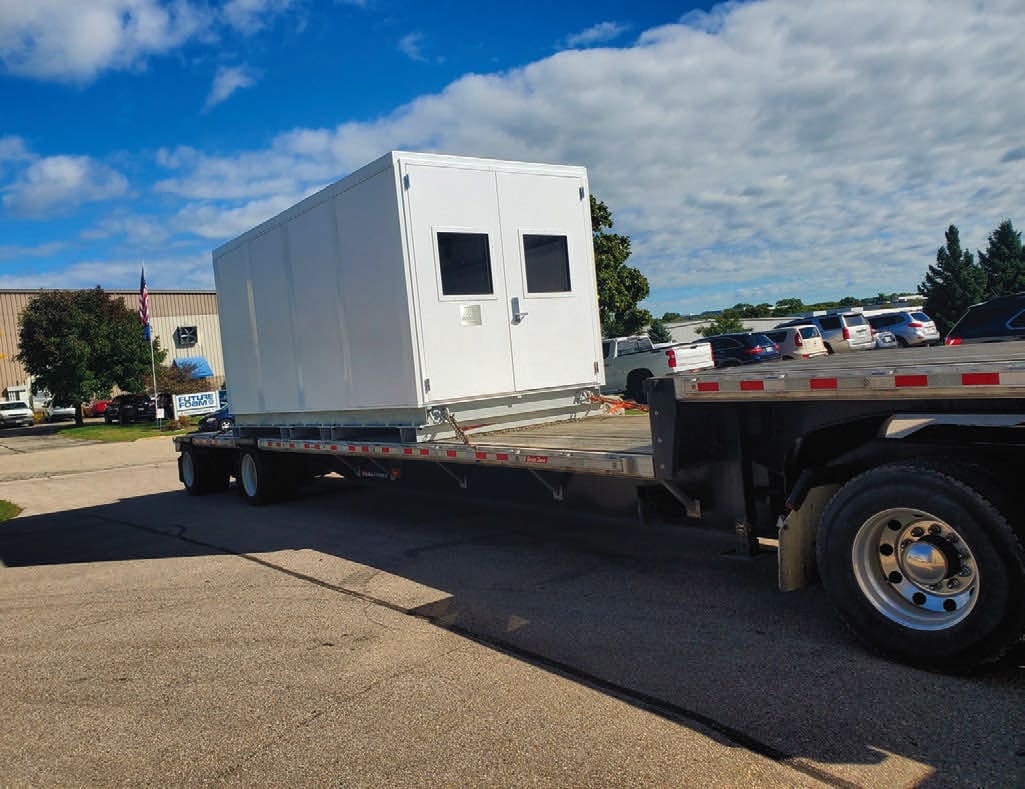
To reduce the strain on aging infrastructure, aerospace companies can turn to modular or containerized facility support systems. A modular design approach to facility equipment can extend the lifespan and improve the adaptability of aging aerospace facilities through flexible configurations that integrate or supplement existing assets. For instance, portable and supplemental jacket water systems can support additional thermal conditioning.
This approach allows manufacturers to supplement existing facilities with minimal modifications, providing a cost-effective solution instead of replacing entire systems. Equipment can be designed or selected for multipurpose functionality beyond its intended use. This versatility enables companies to repurpose these assets and improves their ability to adapt systems as technological requirements change.
By upgrading control and data acquisition systems using a modular approach, facilities can meet modern automation requirements, improve throughput, and enhance efficiency without a complete system replacement. Adding software modularity to physical modularity reduces the complexity of validation and replacement processes, as hardware components can be swapped out or upgraded incrementally. In component and powertrain test cells, modular control and data solutions have enabled efficient transitions from combustion engines to hybrid and fully electric platforms, with each requiring distinct subsystems and testing parameters. When communication drivers are developed as independent modules that reference externally stored parameters, they can be reused across systems with minimal updates when hardware changes.
These dual modular layers entirely abstract software control from hardware, enabling more straightforward upgrades, minimizing downtime and the need for extensive reconfiguration. Standalone drivers for communication protocols and modular components ensure that systems can be updated in line with new testing requirements while controlling costs. An abstract, modular design provides a scalable, flexible, and economical approach to keeping pace with technological advancements, ensuring that aerospace facilities can continue to meet modern demands without the need for complete infrastructure overhauls.
As aerospace technologies evolve, safety, sustainability, and regulatory compliance transform significantly to address new challenges and ensure that systems meet modern standards.
Safety integration into aerospace systems. Safety analysis has always been part of the design process, but it is now a standalone deliverable that requires comprehensive evaluations. These evaluations go beyond mechanical safety to include personnel safety and specific component requirements, ensuring that systems meet high-reliability standards. Key considerations include detailed safety ratings for components, redundancy requirements, and comprehensive safety analysis during the design phases. As safety processes evolve, their integration into every step of the aerospace development cycle ensures that all systems meet the rigorous demands of operational and human safety.
Sustainability drivers. Sustainability is a key driver in the aerospace industry, particularly regarding energy efficiency. With the shift toward electrified systems, a primary challenge is maximizing the efficiency of battery-powered equipment. Extending the operational capabilities of electric systems requires innovations that increase power density or improve power usage efficiency. The goal is to minimize energy consumption while maintaining or enhancing performance. By focusing on these factors, manufacturers can make strides toward more sustainable and efficient aerospace systems that reduce environmental impact while improving operational performance.
Regulatory uncertainty. The regulatory landscape for aerospace technologies is grappling with the rapid pace of innovation, particularly in areas like electrification and alternative fuels. The current regulatory environment lacks clear frameworks for emerging technologies, such as electrified aircraft, creating uncertainty for manufacturers. As these technologies advance, it is vital for manufacturers to navigate a regulatory framework that is struggling to keep up.
As aerospace R&D continuously adapts to new and evolving trends and technologies, the next chapter will be defined not only by how challenges are addressed today, but by how the industry anticipates and adapts for the future.
Strategic Imperatives for the Future
With no single technological path dominating the future of aerospace, manufacturers experience tough decisions amid shifting propulsion trends, rising costs, and regulatory uncertainty. As systems grow more complex and infrastructure struggles to keep up, it’s essential to base planning on business objectives from the beginning. Manufacturers can employ modular design, digital validation, and flexible infrastructure as strategic tools to remain agile while safeguarding their long-term investments.
This article was written by Darryn La Zar, Senior Director, Business Development and Greg Larson, Equipment Project Manager, ACS (Verona, WI). For more information, visit here .
More From SAE Media Group

Battery & Electrification Technology
Enabling Ambitious Battery Production at Scale
Aerospace Manufacturing and Machining INSIDER
How Airbus is Leveraging Digital Twins for a Smarter Approach to Manufacturing
Aerospace INSIDER
Quarterhorse Hypersonic Test Aircraft Completes First Flight
Aerospace INSIDER
Using Ultrabright X-Rays to Test Materials for Ultrafast Aircraft
Aerospace & Defense Tech Briefs
Digitalization in the Aerospace Sector
Aerospace & Defense Tech Briefs
Industry Invited to Participate in AeroTech Aerospace and Defense Technical Program
Aerospace Manufacturing and Machining INSIDER
New HPC4EI Project to Create 'Digital Twin' Models for Aerospace Manufacturing
NASA Spinoff
Pumping Out State-of-the-Art Design



Aerospace & Defense Tech Briefs
Morphing Aircraft Systems
Aerospace INSIDER
Argonne AI Tools Power Safer, Faster Aerospace Inspections
Motion Design INSIDER
Megawatt Electrical Motor Could Help Electrify Aviation


Aerospace & Defense Tech Briefs
What’s the Best DC Motor for Your Commercial Aerospace Application?

Aerospace INSIDER
Why Hybrid-Electric is a Key Solution for Decarbonizing Aviation
Aerospace & Defense Tech Briefs
The Critical Impact Of SAE Aerospace Standards: Certified AS1895/7 and /23 Metal Seals


Motion Design INSIDER
Model Simulates Variable Flap Stiffness for the Best Lift
Top Stories
NewsRF & Microwave Electronics
 Microvision Aquires Luminar, Plans Relationship Restoration, Multi-industry Push
INSIDERAerospace
 A Next Generation Helmet System for Navy Pilots
INSIDERDesign
 New Raytheon and Lockheed Martin Agreements Expand Missile Defense Production
INSIDERMaterials
 How Airbus is Using w-DED to 3D Print Larger Titanium Airplane Parts
NewsPower
 Ford Announces 48-Volt Architecture for Future Electric Truck
ArticlesAR/AI

Webcasts
Electronics & Computers
 Cooling a New Generation of Aerospace and Defense Embedded...
Automotive
 Battery Abuse Testing: Pushing to Failure
Power
 A FREE Two-Day Event Dedicated to Connected Mobility
Unmanned Systems
 Quiet, Please: NVH Improvement Opportunities in the Early Design Cycle
Automotive
 Advantages of Smart Power Distribution Unit Design for Automotive &...
Energy
 Sesame Solar's Nanogrid Tech Promises Major Gains in Drone Endurance