




Centralized Computing in Next-Generation Army Vehicles
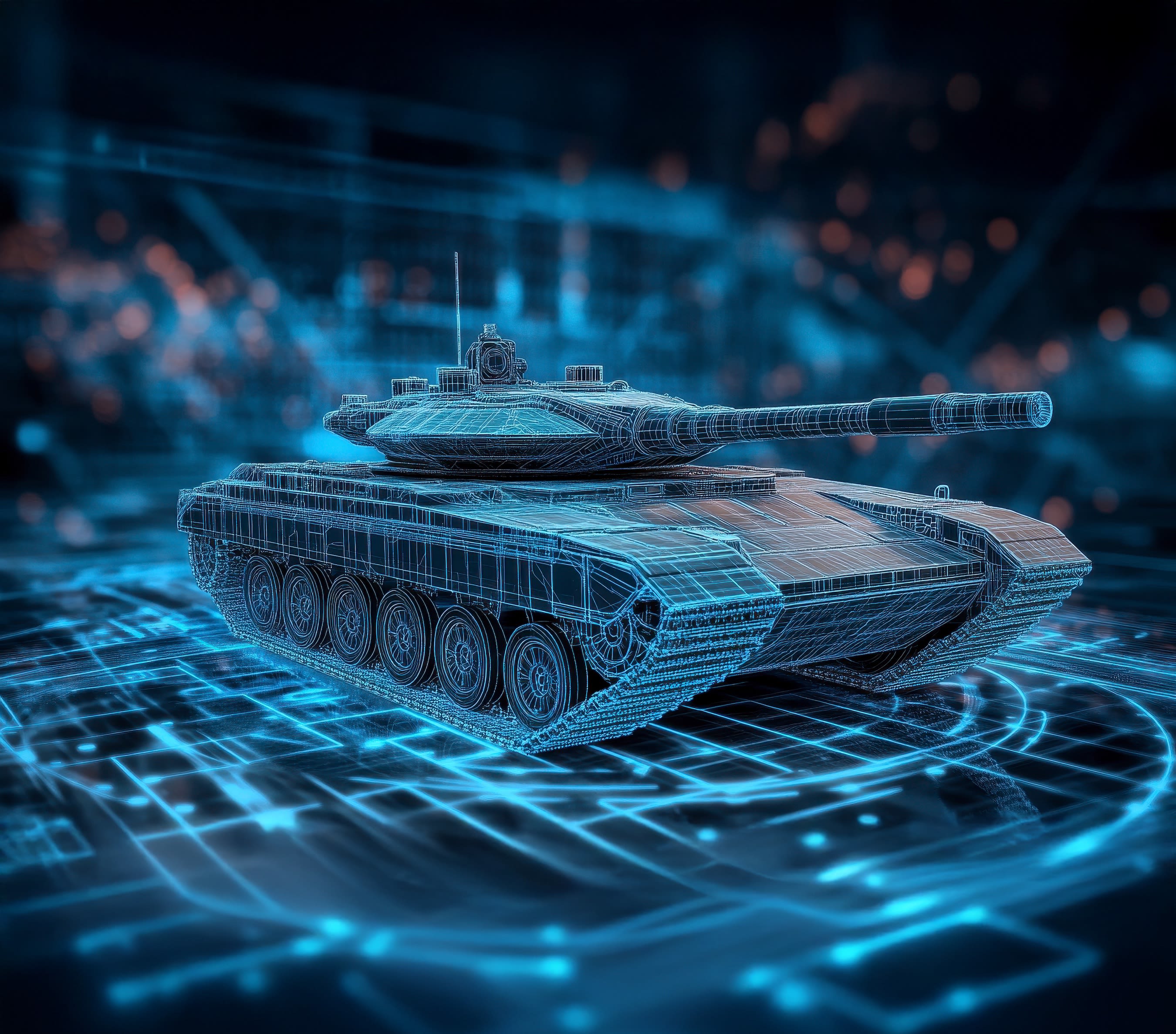
In an era where technological advancements are rapid and constant, the U.S. Army will need a more agile and efficient approach to modernizing systems on succeeding generations of Army vehicles. Legacy platforms like Abrams, Stryker, and Bradley vehicles use multiple mission computers tied to individual sensors that often required the addition of “boxes” to accommodate new capabilities, which could take years to deploy and drove sustainment costs up due to vendor lock. In addition, this antiquated approach doesn’t leverage data to converge effects across the formation in a multi-domain environment. Centralized, common computing as detailed in GCIA would help solve this problem, potentially linking all major subsystems and providing higher-speed processing to assess large datasets in real time with AI and ML algorithms. By using a common, open architecture computer, the Army will be able to rapidly integrate new capabilities inside one box, versus adding multiple boxes. This pivotal shift would address SWaP concerns because common hardware like antennas and amplifiers could be shared, and cabling would be reduced. It would also simplify sustainment, logistics, and supply chain efforts.
Common computing connected to all the sensors will allow software to share and manage all sensor information to improve the Army’s percentage of combat readiness. This architecture would consolidate all system health reports and predict failures in advance, enabling commanders and technicians to rapidly assess the health of their fleets and significantly reduce maintenance costs by performing timely repairs. Better informed commanders will also be able to plan operations in advance and synchronize air, land, sea, space, and cyber capabilities to succeed on the multi-domain battlefield. A partnership of multiple software and hardware companies is necessary to make common computing a reality. This would reduce risk, speed development, and ensure new capabilities get to the field faster. Software partners will assure new applications safely and effectively work on the platform and could take advantage of existing software capabilities to reduce costs. Ideally, once an open standard framework is established, it will be easier and faster for software developers to create applications.
The subsystem integrator, on the other hand, would ensure design packages, software, and integration of boards work correctly. Since hardware can easily become the bottleneck in technology upgrades, discussing capability requirements for the next 10 years will allow hardware designers to plan and start development sooner.
Safety
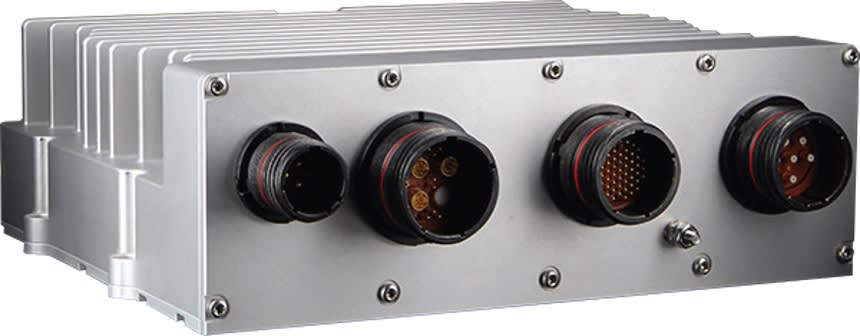
In the past, Army vehicle hardware was primarily designed to ISO 26262 and MIL-STD-882E safety standards. However, DO-254 and DO-178C may be better suited for AI-driven vehicles of the future. The liability of future military autonomous vehicles is similar to tactical drones in the sky. Unlike commercial automobiles, a military vehicle could have automatic weapon systems and autopilot engaged at the same time. Like a drone, weapons misfiring and navigation going awry could lead to loss of assets and casualties. These vehicles will also rely heavily on onboard systems to operate independently, increasing the chances of technical failures. Certifying at the platform, autonomous vehicle level would reduce the possibility of downtime due to failures and subsequent maintenance costs. By using systems designed to DO-254 and DO-178C, military developers can significantly minimize risk and ensure the vehicle can operate reliably without intervention while guaranteeing the safety of its occupants.
Anti-Tamper and Encryption Technologies

As vehicles become more connected, they are increasingly reliant on software and data connectivity that is vulnerable to cyberattacks. The need to protect information and systems from unauthorized access, modification, or reverse engineering grows exponentially as more and more sensitive and mission-critical data is generated from and stored on manned, unmanned, and autonomous vehicles. Anti-tamper security uses a set of measures and technologies to prevent malicious actors from tampering with or exploiting critical components, software, or data that compromises the integrity, confidentiality, or availability of a protected system. For next-generation Army vehicles and autonomous vehicles, anti-tamper security becomes imperative for several reasons: protection of classified information, preventing unauthorized modifications, safeguarding intellectual property, mitigating cybersecurity risks, and ensuring operational reliability. Army vehicles and autonomous vehicles are deployed in extremely challenging environments, including combat zones or remote areas, and often carry classified mission plans, communication protocols, or sensitive sensor data. Anti-tamper measures ensure that unauthorized individuals cannot access or modify this information, safeguarding both in-field personnel and national security interests. Anti-tamper security mechanisms also detect and prevent unsanctioned modifications to vehicle hardware, software, or firmware intended to compromise its operation.
The advanced technologies and systems that deliver battlespace competitive advantages often contain intellectual property (IP) developed through significant investment of resources. The result of reverse engineering and replication of IP housed within vehicles can be just as destructive as the continuous cybersecurity threats that look to gain control over vehicles remotely, disrupt their communication systems, or manipulate their sensor data. Anti-tamper security measures, including secure communication protocols, encryption, and intrusion detection systems, help mitigate these risks and secure vehicles against such threats and ensure the trustworthiness, safety, and resilience of these vehicles in demanding and hostile environments.
Ruggedization
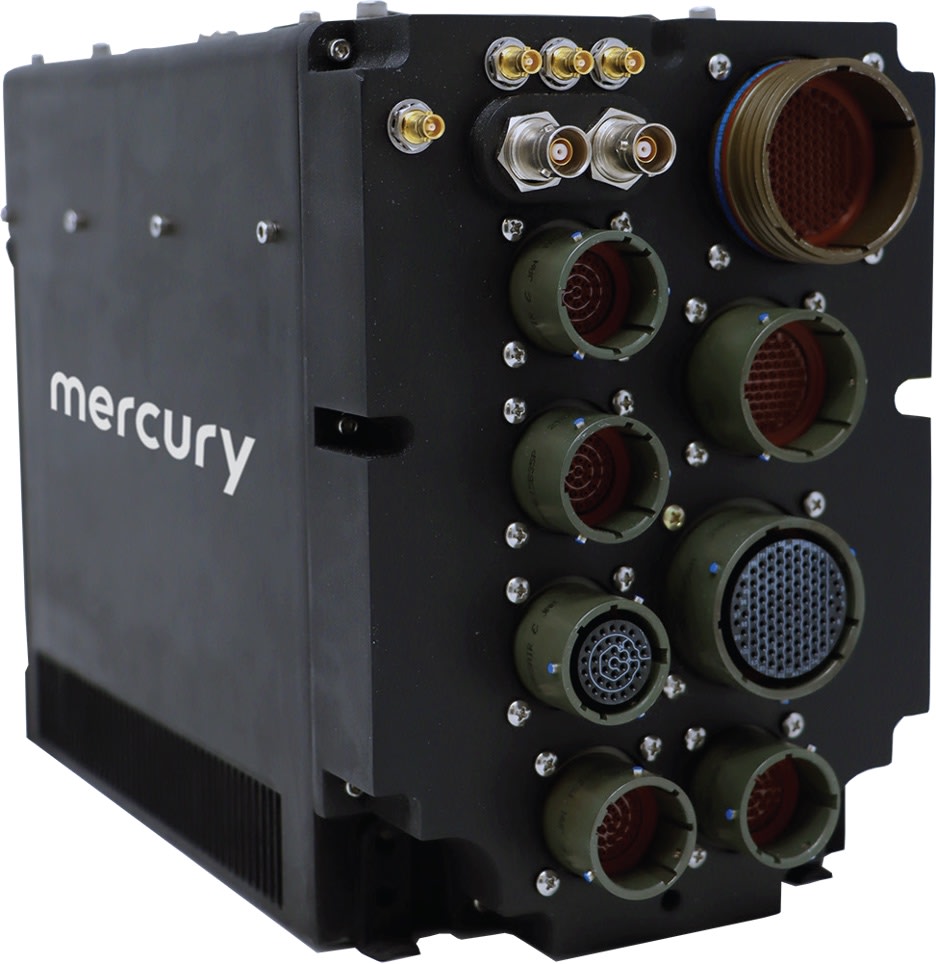
The next generation of Army vehicles must be tougher and more resilient than their predecessors to meet modern warfare demands. Sensors and electronics will be a vital part of these vehicles, requiring them to be ruggedized to remain operational in extreme combat situations and harsh environments.
Advanced navigation and sensor systems must work despite shock and vibration caused by transportation, operation, or drops as well as both high and low temperatures. Onboard computers that control everything from weapon systems to vehicle diagnostics must be designed to endure moisture and physical impacts, preventing deficits in crucial functionality. Systems must also operate at different atmospheric pressures that may be encountered during mountainous terrains.
Components, connectors, and seals must be properly chosen to withstand corrosion caused by rain, saltwater, and humidity. Special filters may be designed-in to mitigate the risk of dust, sand, and fine particles clogging and damaging critical components. Combat zones may also contain toxins such as radiation, open-air burn pits, diesel fumes, and oil-well fires and key equipment cannot fail when exposed to these hazards. Finally, to guarantee reliable communication and operation within a battlefield environment, electronics must operate without interference from external electromagnetic sources or disrupt other nearby electronic devices. Ruggedization reduces the likelihood of expensive repairs or replacements due to environmental damage.
Radar Jamming and Spoofing
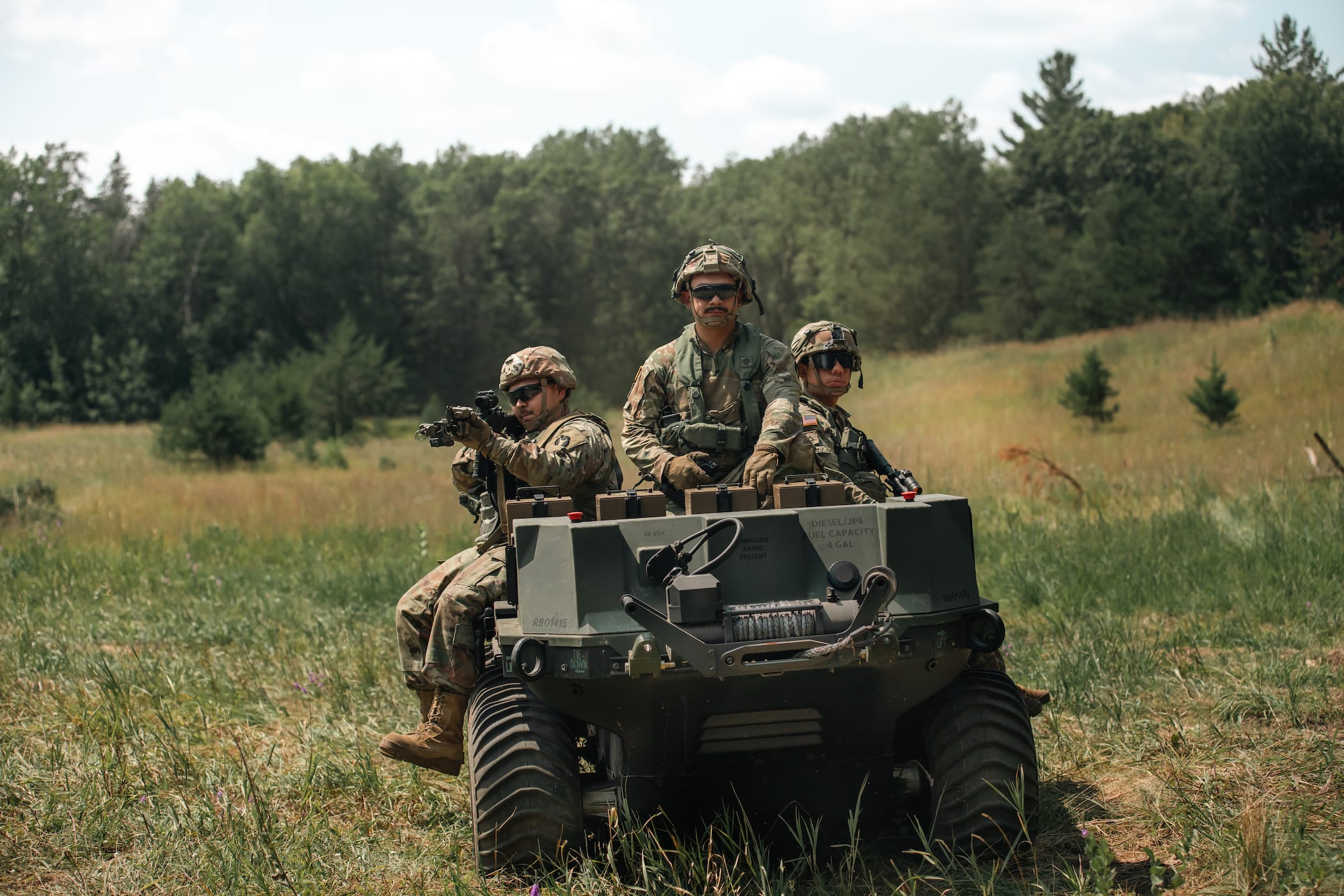
Reliable communications are paramount for the Army, requiring radios, GPS units, and data links that are hardened against environmental stresses and electromagnetic interference. Given that autonomous vehicles rely heavily on electronic systems for navigation, communication, and decision-making, they become prime targets for electronic warfare attacks. Electronic systems in autonomous vehicles emit signals that can be detected by enemy radar, making them easy to detect and track. EW can disrupt data streams to render these vehicles ineffective or even turn them into liabilities. Furthermore, advanced radar systems can adjust their frequencies to counteract stealth technologies used by autonomous vehicles, making them vulnerable to detection. Microwave components such as transceivers used for communications and expanded radar (8–12 GHz) can identify, track, and respond to a variety of threats and quickly switch frequencies to maintain communication integrity. Transceivers equipped with advanced digital signal processing (DSP) capabilities can filter out interference, enhance signal quality, and ensure accurate data transmission in the battlefield.
Digitizers will need to digitize output and process it from the microwave transceivers quickly for immediate threat detection and response. High-resolution digitizers ensure the accurate capture of signal data used for identifying subtle EW and radar threats. These same components could also be used to coordinate in-theater attributes used to relay communications in different areas or emit electromagnetic pulses or spoofs to confuse other radars. Due to space restrictions, it will be important to buy equipment capable of running multiple applications, which will also cut logistical and sustainment costs due to common part numbers.
Moving Forward
As we move toward an era of autonomous vehicle warfare, technology will need to remain a top priority to ensure mission success and the safety and security of military personnel and civilians alike. Technology will allow the Army to take advantage of AI and ML to understand, visualize, decide, and direct faster than our adversaries. Now is the time to innovate and invest in the next generation of vehicles.
This article was written by Shaza Khan, Senior Product Marketing Manager and Eric Gans, Director of Business Development, Mercury Systems (Andover, MA). For more information, visit here .
More From SAE Media Group

Aerospace & Defense Tech Briefs
Precision Strike Missile Increment 1 Achieves Milestone C Approval
Defense INSIDER
Navy Proves Cold-Gas Approach in Hypersonic Launch Test
Aerospace & Defense Tech Briefs
Aerospace & Defense Podcasts
Tech Briefs
AUSA 2024: New Drones and Counter UAS Technology
Aerospace Manufacturing and Machining INSIDER
Teledyne FLIR to Produce 1,000 Pocket-Sized Drones for Use in Ukraine
Tech Briefs
3 New Army MOSA Technology Programs
Aerospace & Defense Tech Briefs
Nano-UAV Systems
Aerospace INSIDER
Army Drones Change Shape Mid-Flight
Tech Briefs
AUSA 2019: A View From the Show Floor

Defense INSIDER
New Gaming System Helps Soldiers Test Virtual Versions of Gear

Aerospace INSIDER
Army Demonstrates Hoverbike Prototype
Aerospace INSIDER
AI-Powered Radar Warning Receiver for Fourth Generation Aircraft
Medical Design Briefs
Calibrating EEG Machines with ‘Phantom Head’
Aerospace INSIDER
Army’s “Robo-Raven” UAV Flies with Flapping Wings


Robotics & Automation INSIDER
Materials Transform Robots Made of Robots
Aerospace Manufacturing and Machining INSIDER
Self-Propelled Crane Aircraft Maintenance and Positioning (SCAMP II)
Aerospace & Defense Tech Briefs
S-Band Radar Systems

Aerospace INSIDER
Adaptive Materials Could Help Protect Rotorcraft
Tech Briefs
Magazine Archives
Top Stories
NewsRF & Microwave Electronics
 Microvision Aquires Luminar, Plans Relationship Restoration, Multi-industry Push
INSIDERAerospace
 A Next Generation Helmet System for Navy Pilots
INSIDERDesign
 New Raytheon and Lockheed Martin Agreements Expand Missile Defense Production
INSIDERMaterials
 How Airbus is Using w-DED to 3D Print Larger Titanium Airplane Parts
NewsPower
 Ford Announces 48-Volt Architecture for Future Electric Truck
ArticlesAR/AI

Webcasts
Electronics & Computers
 Cooling a New Generation of Aerospace and Defense Embedded...
Automotive
 Battery Abuse Testing: Pushing to Failure
Power
 A FREE Two-Day Event Dedicated to Connected Mobility
Unmanned Systems
 Quiet, Please: NVH Improvement Opportunities in the Early Design Cycle
Automotive
 Advantages of Smart Power Distribution Unit Design for Automotive &...
Energy
 Sesame Solar's Nanogrid Tech Promises Major Gains in Drone Endurance