




Bosch Sees Two Paths Forward for On-Road Hydrogen Trucks
Hydrogen ICE and fuel cells both have advantages and disadvantages, depending on the load and the distance.
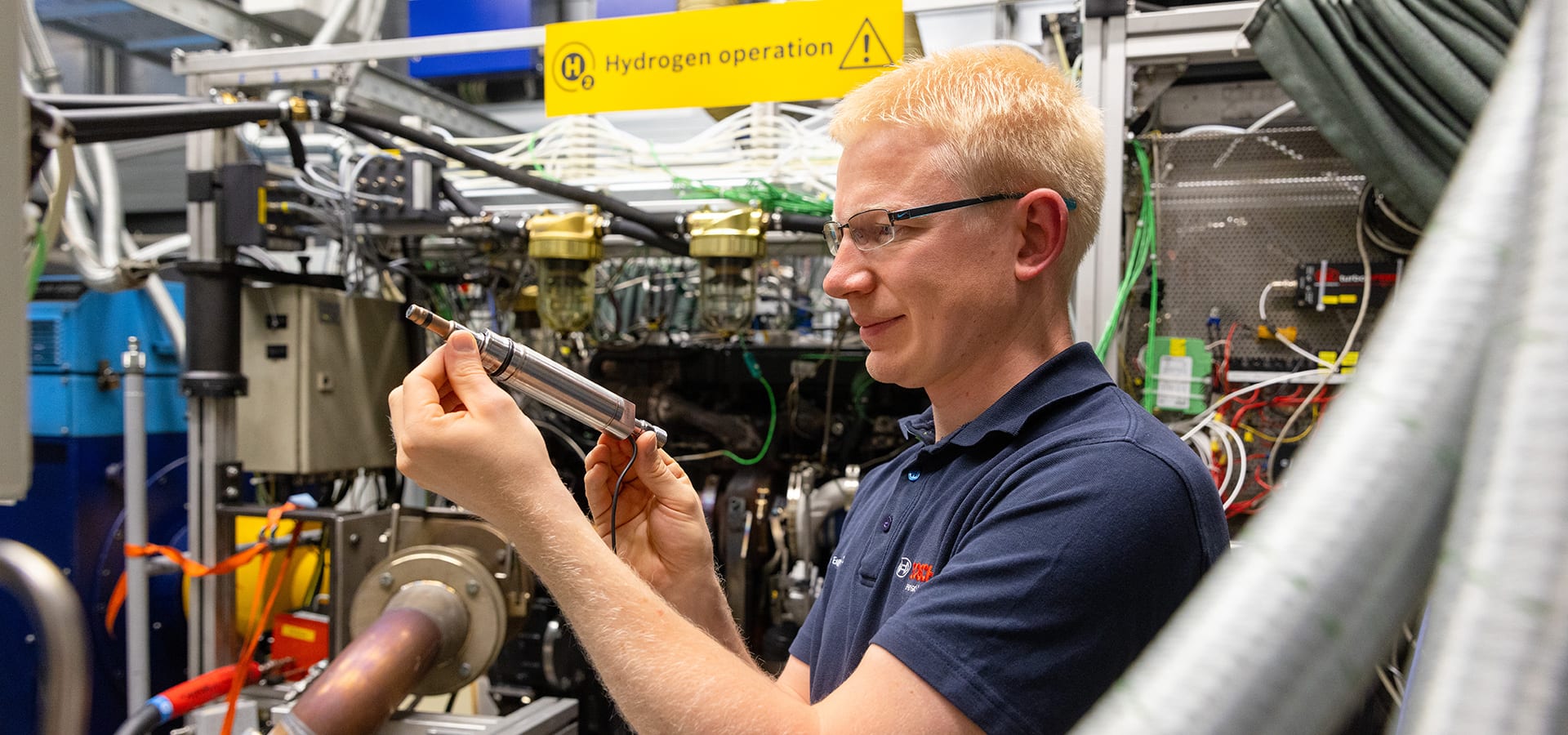
The incoming Republican White House administration is expected to significantly alter regulations that impact the country’s transportation sector. Emissions regulations may change, but they won’t be going away entirely. While the passenger car market is expected to shift from full electrification toward hybrid powertrains, Bosch sees potential for hydrogen to make inroads in the on-road truck segment. In fact, there are multiple hydrogen paths for the trucking industry to pursue.

“Hydrogen may not be relevant in light-duty vehicles, but on long-haul trucks, this becomes a more viable option down the road,” Peter Tadros, Bosch North America’s president for powertrain solutions, told SAE Media in an interview. “It’s a multi-lane road here.”
“Fuel cell products for long-haul trucks have been in production now for a little over a year. All these are part of the portfolio for future products, old and new, and we keep working on them,” Tadros said. While hydrogen fuel cells are a maturing technology, internal combustion engines can also be designed to run cleanly on the fuel.
“Hydrogen internal combustion engines, I think, have a lot of potential, and we have a lot of products for this area because they use 90% of the same infrastructure that we have today from the engine side of things,” Tadros said.
It’s not fully clear which hydrogen technology will ultimately hold the most promise for future production. “The question of whether hydrogen ICE or a hydrogen fuel cell – they have advantages and disadvantages on either side, depending on the load you’re carrying and the distance you’re going,” Tadros explained. Either way, there’s a strong argument to be made that hydrogen is an ideal fuel for future on-road trucks.
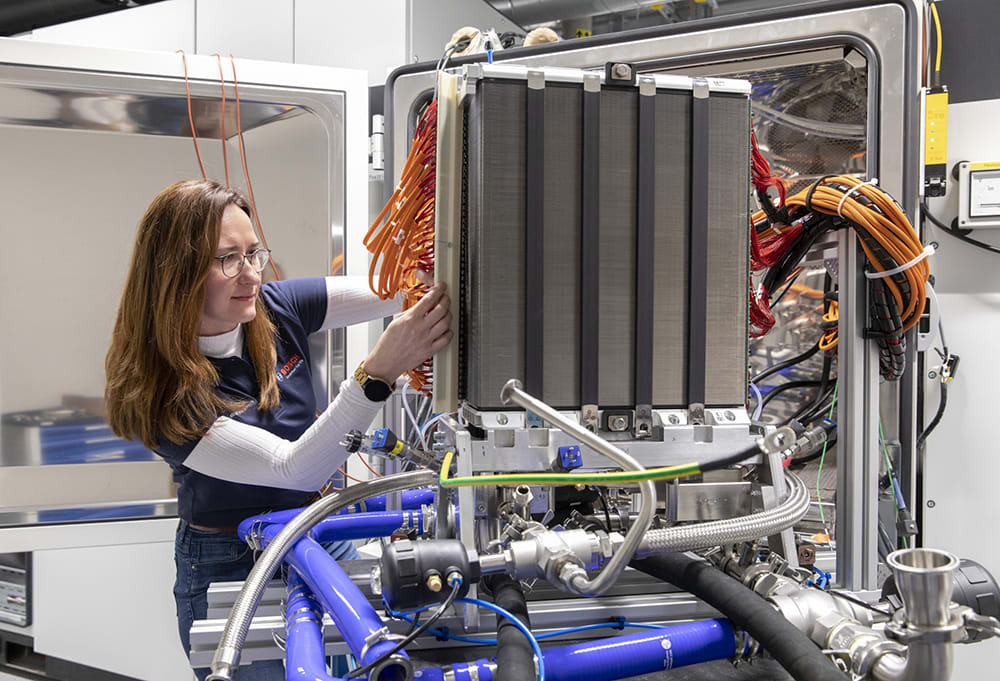
“There is a use case for it where electrification will not serve well, which is longer range, fast refueling, where segments of the market depend on generating their income from getting from point A to point B, and that distance is large, and they need to haul a lot of weight,” Tadros said. “Really it’s not a niche, it’s a big area of the market.”
As promising as it may seem as a fuel source, however, work will be needed to make a hydrogen-fueled future a reality.
“The challenges are the same for those two technologies,” Tadros said. “One, of course, is the availability of hydrogen. This is really the biggest challenge we see now with all the hydrogen hubs that are being introduced in different parts of the country.”
As for hydrogen combustion, injectors are a source of development. “This presents some challenges because you have to do billions of cycles without the lubricants of gas, but with hydrogen,” Tadros said. “We’re overcoming that, so this is also a future area for us for hydrogen ICE.”
One thing is for certain: It’s going to take time. “It may take a little longer than the battery-electric vehicle introduction. We still see a lot of potential for hydrogen in the region, once we are able to really get our infrastructure solved, or at least eased a bit to give comfort for fleet operators that it’s a solution that they can use.”
More From SAE Media Group
Off-Highway Engineering
Hydrogen ICE Is Heating Up
Off-Highway Engineering
Liebherr Goes All in on Hydrogen Fuel
Off-Highway Engineering
Hydrogen’s Humming in Power Generation
Off-Highway Engineering
Fuel-Cell Power for Monster Mining Trucks in GM, Komatsu Deal
Automotive Engineering
WCX 2025: Dumarey Launches U.S. Subsidiary for Better ICEs
Automotive Engineering
Charting the ICE Future with Mahle’s Martin Berger
Off-Highway Engineering
Volvo Charts Its Path Towards Zero Emissions
Off-Highway Engineering
Bosch Begins Production of Fuel-Cell Power Modules for Nikola
Off-Highway Engineering
A Diversified Path for Sustainable Fleets
Off-Highway Engineering
JCB Debuts Clean-Sheet Hydrogen Combustion Engine
Off-Highway Engineering
Hybrid Powertrains in the Product Mix
Automotive Engineering
Hydrogen Storage in a Box!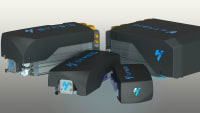
Off-Highway Engineering
Hydrogen Shows Increased Commercial Interest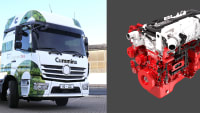
Off-Highway Engineering
Regulatory Landscape Challenges Commercial-Vehicle Engine Development
Automotive Engineering
BMW Reapproaches Hydrogen
Off-Highway Engineering
Developing Next-Gen Diesels to Last Decades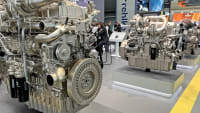
Off-Highway Engineering
Toyota’s Proven Fuel-Cell Stack Reduces Cost, Complexity in H2 Semi-Truck
Off-Highway Engineering
Hybrids Are Having a Moment
Off-Highway Engineering
Mahle Amps up Its Electrification R&D
Off-Highway Engineering
Kohler Doubles down on ICE Development
Off-Highway Engineering
Allison’s Now Open for Hydrogen Testing
Off-Highway Engineering
Diesel in Distress
Off-Highway Engineering
The Future of Carbon-Neutral Fuels for Heavy-Duty Machines
Off-Highway Engineering
Daimler and Linde Announce Liquid-Hydrogen Refueling Technology
Off-Highway Engineering
GM Hydrotec Boss Readies Fuel Cells for Commercial Deployment
Automotive Engineering
The International Fight over EFuels, Internal Combustion’s Would-Be Savior
Off-Highway Engineering
Combustion Engines Carry on in Construction
Off-Highway Engineering
Electric Mobile Machines Won’t Abandon Hydraulics
Off-Highway Engineering
ACT Expo 2022 Roundup: Bollinger, Hyundai and Volvo Clean-Vehicle Updates
Off-Highway Engineering
Bauma the Big One in 2025
Top Stories
NewsSensors/Data Acquisition
 Microvision Aquires Luminar, Plans Relationship Restoration, Multi-industry Push
INSIDERRF & Microwave Electronics
 A Next Generation Helmet System for Navy Pilots
INSIDERWeapons Systems
 New Raytheon and Lockheed Martin Agreements Expand Missile Defense Production
NewsAutomotive
 Ford Announces 48-Volt Architecture for Future Electric Truck
INSIDERAerospace
 Active Strake System Cuts Cruise Drag, Boosts Flight Efficiency
ArticlesTransportation

Webcasts
Aerospace
 Cooling a New Generation of Aerospace and Defense Embedded...
Energy
 Battery Abuse Testing: Pushing to Failure
Power
 A FREE Two-Day Event Dedicated to Connected Mobility
Automotive
 Quiet, Please: NVH Improvement Opportunities in the Early Design Cycle
Electronics & Computers
 Advantages of Smart Power Distribution Unit Design for Automotive &...
Unmanned Systems
 Sesame Solar's Nanogrid Tech Promises Major Gains in Drone Endurance