




Hydrogen’s Humming in Power Generation
Hydrogen fuel cells and combustion engines gain momentum in stationary power applications where infrastructure and regulations offer more flexibility.
Not long ago we covered some high-profile struggles hydrogen-technology companies had encountered, including Nikola and Hyzon both deciding to cease operations. But despite legitimate challenges, many OEMs and suppliers continue development efforts, confident that hydrogen – be it in combustion engines or fuel cells – will eventually make its mark on the industry.
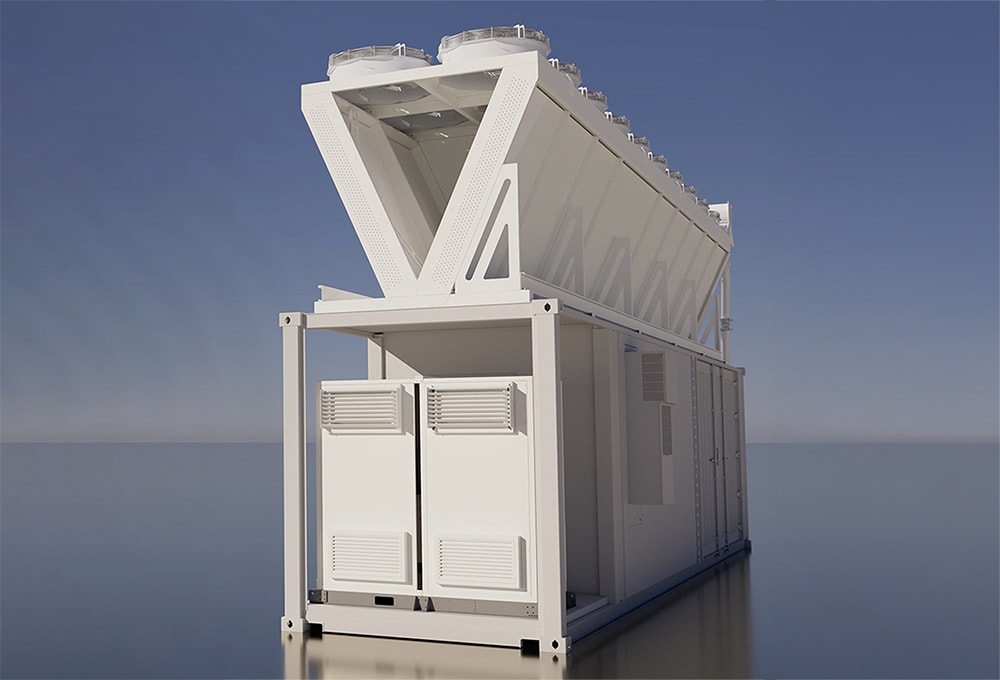
One segment where this is coming closer to reality is power generation in stationary applications.
Toyota of course is known for its hydrogen fuel cell (HFC) systems powering its passenger cars and Class 8 trucks built with Kenworth. Toyota is moving out of the pilot phase with Class 8 trucks and beginning to introduce production-level to its own logistics fleet, running routes from the Port of Long Beach to Toyota’s North American Parts Center in Ontario, California, and as far south as San Diego, according to Hannah White, fuel cell integration engineer at Toyota Motor North America (TMNA).
“Eventually, the end goal is to do long-range across the U.S. once we can get the infrastructure built up to support that,” she said during SAE International’s Sustainable Transportation Summit 2025 held online in July.
Lesser known, perhaps, is Toyota’s focus on stationary power – “another really great application that hydrogen is perfect for,” White said. “Data centers use a lot of power, they need a lot of backup power, and hydrogen is a great way to store energy and to become that backup generator in a clean way.”
“The beauty of stationary power for hydrogen is it’s completely silent, completely odorless,” she said, referencing a 50-kW unit built in collaboration with Toyota Racing Development that was used at an LPGA tour event in Palm Springs. “You wouldn’t even know that it’s there if you walked by. I see a strong future for applications like this for hydrogen.”
Toyota has developed a 1-MW stationary power unit as a proof-of-concept. “It’s not production-level – yet,” White said. The unit is currently located at NREL’s Flatirons campus in Colorado. “They’re developing a full renewable, sustainable grid using excess water and solar to then generate hydrogen with an electrolyzer,” she explained. “That electrolyzer can then produce power that can be turned back into electricity using this 1-MW generator. It’s a full circle moment.”
TMNA also recently announced an agreement to provide its HFC modules to Rehlko for use in stationary power generator products to satisfy growing interest in alternative fuels for stationary applications, including both backup and primary uses. The 1-MW fuel cell generator can reportedly be designed and manufactured to the same operational standards as conventional generators.
Rehlko and Toyota’s first collaboration involved developing and installing a 100-kW HFC power generation system to reinforce and back up the electrical infrastructure at a hospital in rural Washington State. They now have developed and engineered a commercialized 1-MW system to meet the demand for 1 MW or more, with Rehlko developing the overall system.
H2-ICE heating up
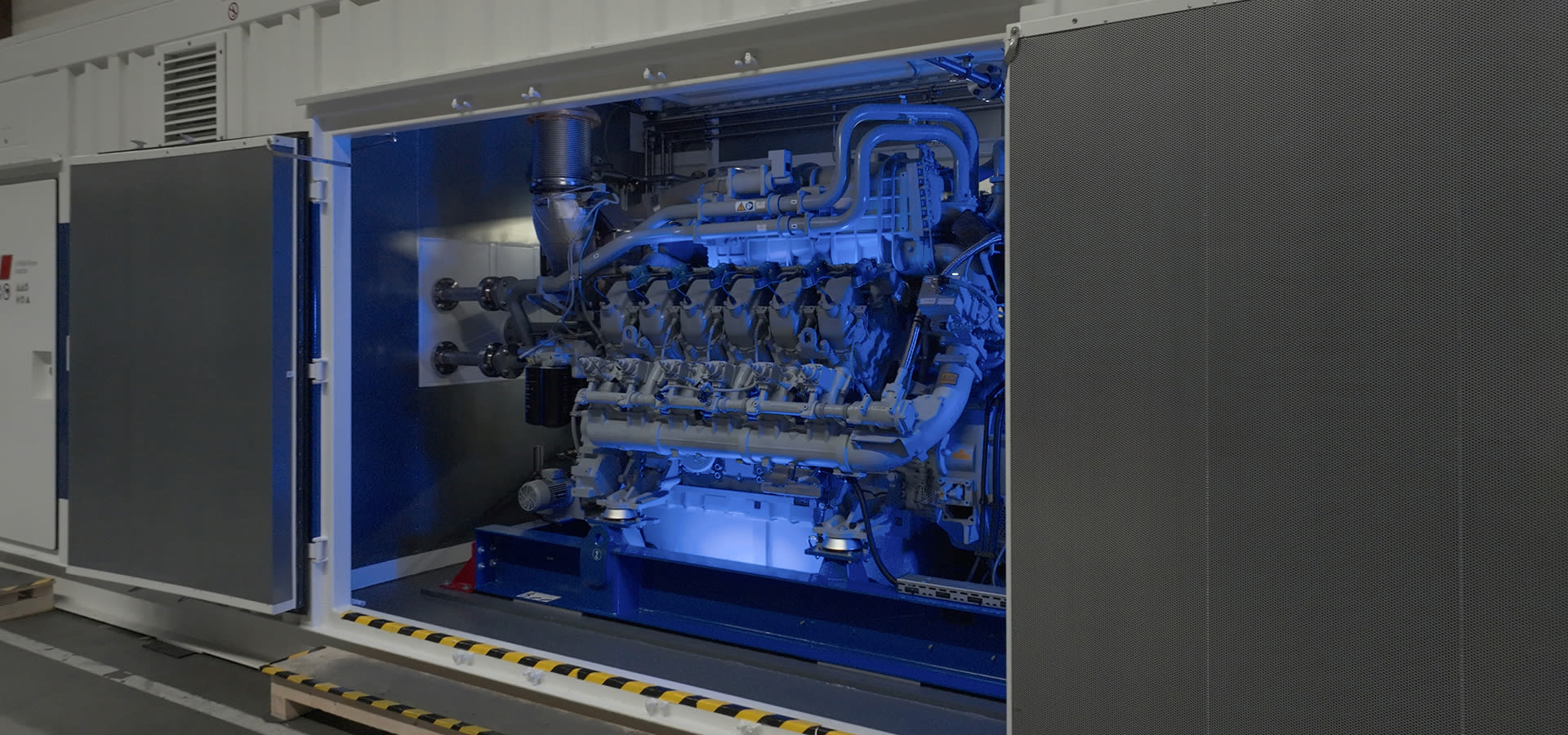
Hydrogen combustion engines are also getting in on the act. For example, two MTU hydrogen cogeneration units are being used in the Port of Duisburg, Germany, with each hydrogen engine having an output of 1 MW.
MTU gas engines were used as the basis and adapted to accommodate hydrogen. Modifications are made to the injection system, cylinders are redesigned, and a new control system is employed. The turbochargers are also replaced by new larger ones developed by Rolls-Royce so they can compress “considerably more air.”
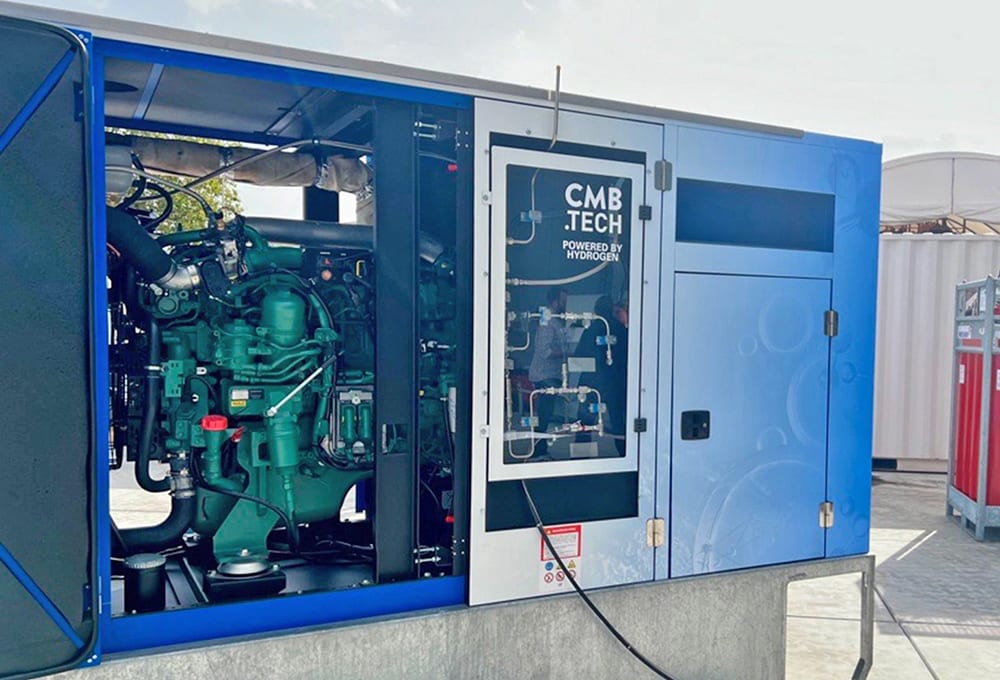
Taking more of a phased approach, Volvo Penta offers a hydrogen dual-fuel engine built on its D8 EU Stage V platform that is suitable for off-highway segments like port handling but also for stationary applications such as gensets. “We have a D8 multifuel hydrogen ICE genset that we are offering in the market,” Anna Müller, president of Volvo Penta, said at a press conference at Bauma 2025. “So that means you can use hydrogen and/or diesel or HVO in a certain mix in that engine. That is a steppingstone into becoming fully zero emission.”
Early trial data has reportedly revealed a reduction of up to 80% in CO₂ emissions with the dual-fuel D8 engine, which is equipped with CMB.TECH’s dual-fuel system. Hydrogen is released from storage tanks and brought to low pressure, then injected into the engine’s air intake. Aspiration of hydrogen reduces the amount of diesel required to produce the same amount of energy from combustion, Volvo Penta says. If the hydrogen supply runs low, the engine can operate entirely on diesel or HVO.
Another promising application could see hydrogen gensets increasingly employed to power EV charging infrastructure. (SAE’s Sustainable Transportation Summit 2025 detailed one example: INNIO’s Jenbacher engine supporting a 1-MW hydrogen-powered EV charging system.) Because stationary applications are subject to different regulations compared to off-highway vehicles, that may allow for more flexibility in the adoption of alternative energy solutions.
Hydrogen still has its hurdles, but in stationary power it’s silently humming along.
More From SAE Media Group
Off-Highway Engineering
Liebherr Goes All in on Hydrogen Fuel
Off-Highway Engineering
Fuel-Cell Power for Monster Mining Trucks in GM, Komatsu Deal
Off-Highway Engineering
Toyota’s Proven Fuel-Cell Stack Reduces Cost, Complexity in H2 Semi-Truck
Off-Highway Engineering
GM Hydrotec Boss Readies Fuel Cells for Commercial Deployment
Automotive Engineering
Hydrogen Storage in a Box!
Off-Highway Engineering
Hydrogen Shows Increased Commercial Interest
Off-Highway Engineering
Schneider Continues Zero-Emission Goal at Nikola
Off-Highway Engineering
Volvo Charts Its Path Towards Zero Emissions
Off-Highway Engineering
Mahle Amps up Its Electrification R&D
Off-Highway Engineering
GM Nikola Tie-Up Sparks Worldwide Hydrogen Fuel Cell Interest
Off-Highway Engineering
Nikola Reveals Range of Hydrogen Fuel Cell and Battery-Electric Vehicles
Off-Highway Engineering
A Diversified Path for Sustainable Fleets
Off-Highway Engineering
Volvo’s Ambitious Goal: 50% Zero-Emission Trucks by 2030
Off-Highway Engineering
Hydrogen ‘Inevitable’ for Commercial Vehicles
Off-Highway Engineering
Daimler and Linde Announce Liquid-Hydrogen Refueling Technology
Off-Highway Engineering
Truckin’ on Hydrogen
Off-Highway Engineering
Hitting the Gas on Hydrogen Tech for Commercial Trucks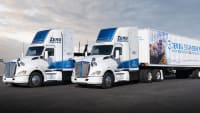
Off-Highway Engineering
Hexagon Bullish on CNG for Long-Haul Trucks
Off-Highway Engineering
Hydrogen Lightens the Load for Heavy Trucks
Off-Highway Engineering
JCB Debuts Clean-Sheet Hydrogen Combustion Engine
Automotive Engineering
Is Hydrogen the Future for Trucking?
Off-Highway Engineering
SAE WCX 2022: Paving the Way for the Hydrogen Highway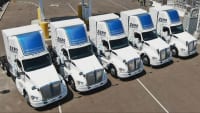
Automotive Engineering
Making H2 Fuel Cells Happen
Off-Highway Engineering
Natural Gas Infrastructure Is Scaling Fast for HD Fleets
Automotive Engineering
Hydrogen Industry Vet Says Fuel Cells Still a ‘Go’
Off-Highway Engineering
Zeroing in on Zero Emissions
Off-Highway Engineering
FirstElement Opens America’s First High-Volume, Fast-Fill Hydrogen Station for HD Trucks
Off-Highway Engineering
Nikola Producing Battery-Electric Trucks, Fuel-Cell EVs Coming
Off-Highway Engineering
Electrification and the Other “E” – E-Fuels
Automotive Engineering
New Chemistry Aims to Slash Fuel-Cell PGM Costs by 50%
Top Stories
NewsSensors/Data Acquisition
 Microvision Aquires Luminar, Plans Relationship Restoration, Multi-industry Push
INSIDERRF & Microwave Electronics
 A Next Generation Helmet System for Navy Pilots
INSIDERWeapons Systems
 New Raytheon and Lockheed Martin Agreements Expand Missile Defense Production
NewsAutomotive
 Ford Announces 48-Volt Architecture for Future Electric Truck
INSIDERAerospace
 Active Strake System Cuts Cruise Drag, Boosts Flight Efficiency
ArticlesTransportation

Webcasts
Aerospace
 Cooling a New Generation of Aerospace and Defense Embedded...
Energy
 Battery Abuse Testing: Pushing to Failure
Power
 A FREE Two-Day Event Dedicated to Connected Mobility
Automotive
 Quiet, Please: NVH Improvement Opportunities in the Early Design Cycle
Electronics & Computers
 Advantages of Smart Power Distribution Unit Design for Automotive &...
Unmanned Systems
 Sesame Solar's Nanogrid Tech Promises Major Gains in Drone Endurance