




Enhancing E-Motor Design and Thermal Efficiency with Advanced Cooling
The trend is shifting towards using automatic transmission fluid or oil-based fluids for direct cooling.
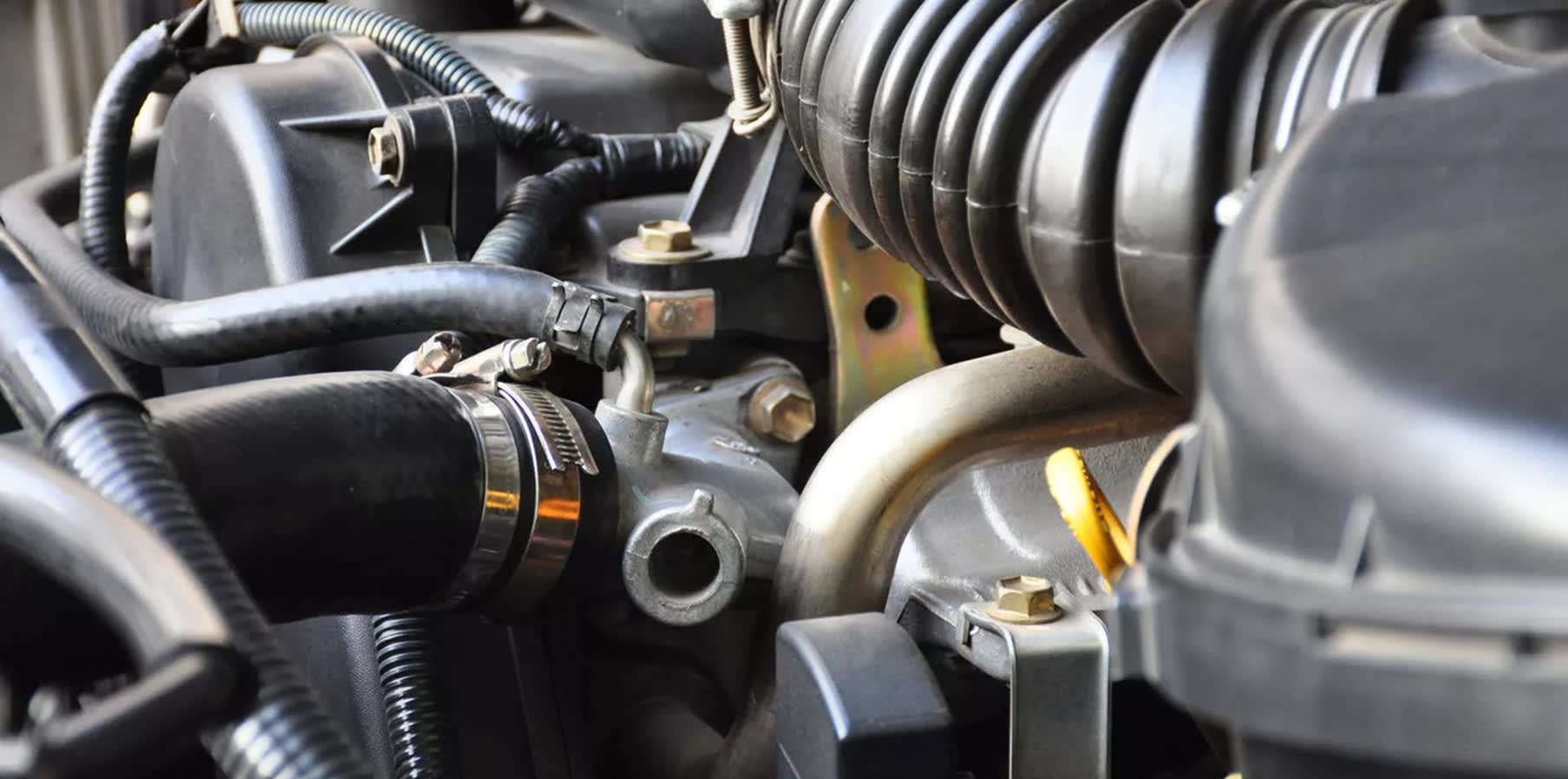
The acceleration of 800V permanent magnet radial flux e-motors marks a significant leap in the automotive industry. This motor architecture offers increased power density through smaller, lighter designs that spin at higher RPMs. However, this advancement brings with it the challenge of efficient thermal management, especially in dissipating heat from the magnet wire within the stator.
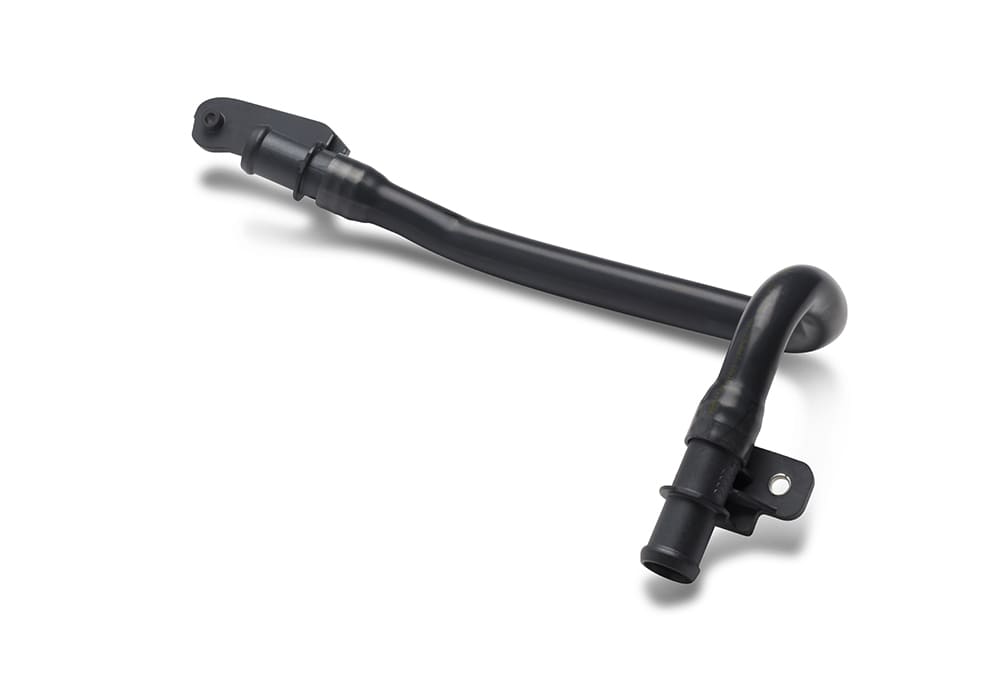
Effective thermal management is crucial for improving e-motor efficiency. The primary heat sources are the copper-insulated magnet wires, with heat spreading to the slot liners. Engineers have explored various cooling methods, including traditional water jackets using ethylene glycol and water. However, the trend is shifting towards using automatic transmission fluid (ATF) or oil-based fluids for direct cooling, driven by its integration convenience with the e-motor gearbox and inverter systems.
ATF can be applied to the stator in several ways, including cooling the exterior components and end windings. Polymer circular stator oil guide rings, which direct the ATF to the end-windings from various angles, are also becoming popular. These rings provide design flexibility and optimized thermal management.
Injection molding of stator rings allows for unique cooling channels, facilitating efficient heat removal from the copper magnet wire and slot liners. This method offers significant advantages over traditional materials like die-cast aluminum, including 25% weight savings, faster manufacturing cycles and reduced need for secondary operations like machining or welding.
Selecting materials for stator oil guide rings and cooling tubes involves considering their performance under high temperatures and exposure to ATF. Syensqo, formerly known as Solvay Specialty Polymers, produces Amodel PPA and Ryton PPS, which could be considered because of their mechanical properties retention at temperatures from 150 to 180 C (302 to 356 F), chemical resistance, and dimensional stability. These materials have been used for over 15 years in gearbox components and maintain performance under harsh conditions.
Sustainability also plays a role in the material decision criteria. Producers work to reduce the global warming potential (GWP) and carbon footprint, and using renewable electricity while reducing water usage and industrial waste helps decrease this number.
In summary, thermal management solutions for electric motors should consider chemical resistance and dimensional stability as part of their overall performance. With the right material, engineers can reduce weight, functionally integrate multiple components and improve durability.
Brian Baleno is head of Marketing Automotive at Syensqo.
More From SAE Media Group

Off-Highway Engineering
Achieving Better Power Management by Optimizing Thermal Management
Automotive Engineering
New Ampere EV Motor Aims for Power, Torque Benchmarks
Tech Briefs
New Fluids Coming for EV Thermal Management
Automotive Engineering
Schaeffler Promotes E-Motor Manufacturing Flexibility
Aerospace & Defense Tech Briefs
SAE International Extends Call for Abstracts, Seeks Submissions for AeroTech Conference
Automotive Engineering
Multiphysics Helps Transform Modeling, Simulation
Automotive Engineering
Ricardo Reveals Details of Latest E-Motor and EDCT
Automotive Engineering
Thermal Management Lies at the Heart of EV Innovation
Automotive Engineering
German OEMs Flex 3D Manufacturing Muscle
Automotive Engineering
2019’s Best Automotive Plastics Innovations
Off-Highway Engineering
Mahle Keeps Fuel-cell Drive Components Cool and Clean
Automotive Engineering
Addressing Thermal Management for EVs
Off-Highway Engineering
Mahle’s Hydrogen Focus Spans Fuel Cells, ICEs
Automotive Engineering
ZF Introduces Complete E-Drive System for Passenger, Commercial Vehicles
Automotive Engineering
Lighter, Recyclable Body Seal from Cooper Standard Wins SAA Award
Medical Design Briefs
Medical Plastics: Understanding Ultrasonic Welding, Part 1

Automotive Engineering
In Pursuit of the Silky-Smooth EV
Battery & Electrification Technology
New Products
Off-Highway Engineering
Mahle Advances 3D Printing Capabilities

Automotive Engineering
Balancing the ‘Dominos’ in EV Thermal Management
Automotive Engineering
Motor Matters
Automotive Engineering
Gearing Dana for the EV Future

Automotive Engineering
Weaving a New Future for Composites
Aerospace & Defense Tech Briefs
Parker Aerospace and GKN Aerospace to Develop Passive Cooling Solutions for Next-Generation Aircraft Engines
Automotive Engineering
China Aims New EV Coolant Regulation at Battery Safety
Automotive Engineering
Accelerating Materials Development with Quantum Computing
Top Stories
NewsRF & Microwave Electronics
 Microvision Aquires Luminar, Plans Relationship Restoration, Multi-industry Push
INSIDERAerospace
 A Next Generation Helmet System for Navy Pilots
INSIDERDesign
 New Raytheon and Lockheed Martin Agreements Expand Missile Defense Production
INSIDERMaterials
 How Airbus is Using w-DED to 3D Print Larger Titanium Airplane Parts
NewsPower
 Ford Announces 48-Volt Architecture for Future Electric Truck
ArticlesAR/AI

Webcasts
Electronics & Computers
 Cooling a New Generation of Aerospace and Defense Embedded...
Automotive
 Battery Abuse Testing: Pushing to Failure
Power
 A FREE Two-Day Event Dedicated to Connected Mobility
Unmanned Systems
 Quiet, Please: NVH Improvement Opportunities in the Early Design Cycle
Automotive
 Advantages of Smart Power Distribution Unit Design for Automotive &...
Energy
 Sesame Solar's Nanogrid Tech Promises Major Gains in Drone Endurance