




WCX 2024: Two Approaches to Mobility Engineering
Research report addresses how newcomers and traditional players pursue mobility engineering.
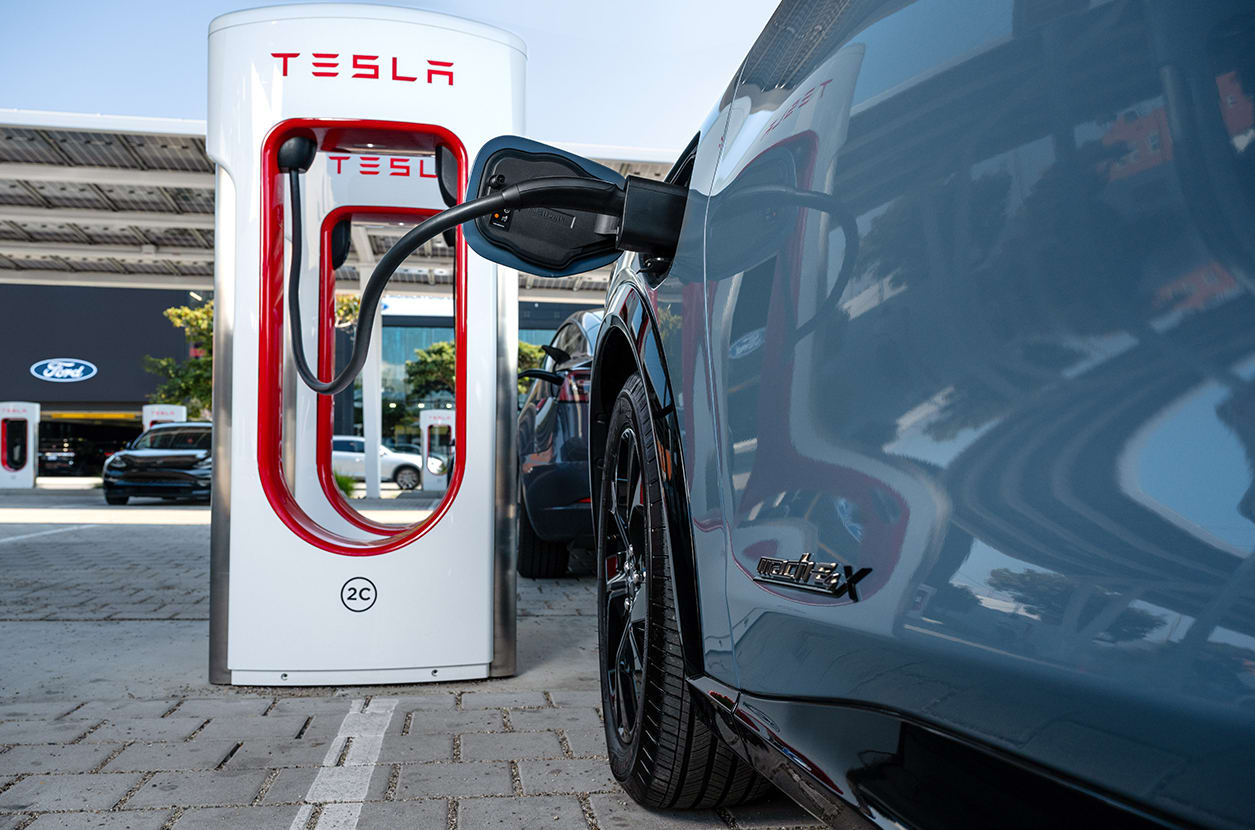
A few years ago, traditional automotive companies basically shrugged their shoulders at EV newcomers. But traditionalist viewpoints are changing. “They’re learning from each other now,” said Sven Beiker, managing director of Silicon Valley Mobility, an automotive consulting firm. Beiker, an automotive engineer, spoke with SAE Media about mobility engineering prior to his Knowledge Bar session at the 2024 WCX event. Beiker’s session will be at 10 a.m. Tuesday, April 16.

Established automakers are exceedingly practiced at R&D, design, engineering, manufacturing and distribution. “And that process is sometimes overlooked, dismissed, ignored,” Beiker said. “But making automobiles is a huge deal. It’s not easy to bring a new vehicle to the market and make money.”
As start-up automotive companies began their journey in the early 2000s, they immediately hit supply chain roadblocks, including concerns about their long-term business viability and cash flow for purchases. “In a way, the traditional automotive industry forced automotive newcomers to think differently because they didn’t have access to the same technologies,” Beiker said. For many mobility newcomers, the logical approach was doing tasks in-house. “Newcomers are typically more vertically integrated than established vehicle manufacturers,” he said.
While traditional automakers have been using software for decades, newcomers dove headfirst into the digital world. “With software, you can iterate much more quickly and much more often. You can also be more innovative with designs because coding something new goes much faster than building new hardware,” Beiker said.
With an emphasis on designing in virtual environments, newcomers recruited software and technology specialists from the computer, consumer electronics, artificial intelligence, cloud services and other digital domains. “Newcomers don’t have historic baggage,” Beiker said. “They are in a much better position to think outside-the-box.” With a slight push from newcomers, traditional automotive companies are becoming more nimble thinkers. “But if you’ve been doing something for years and years — if not decades — then it’s hard to do it differently,” he said.
By the end of this decade, start-up and traditional automotive companies will have significant overlap in how they approach mobility engineering. “The lines are going to become more blurred,” Beiker predicts, adding, “The automotive industry needs both the traditional players and the newcomers.”
More From SAE Media Group
Autonomous Vehicle Engineering
New Digital Tools Driving Restructuring for Autonomy
Automotive Engineering
Full Speed Ahead for Second-Generation Indy Autonomous Racers
ADAS & Autonomous Vehicle Engineering
Simulation Vs. Organizational Inertia
Aerospace & Defense Tech Briefs
SAE International Extends Call for Abstracts, Seeks Submissions for AeroTech Conference
Aerospace & Defense Tech Briefs
Industry Invited to Participate in AeroTech Aerospace and Defense Technical Program
Automotive Engineering
From ADAS to SDVs with Plato Pathros
Automotive Engineering
WCX 2024: The Technologies That Will Define Future Mobility
Off-Highway Engineering
Deere Advances In-Field Autonomy
Automotive Engineering
Advanced Electrical Architectures Demand New Developmental Strategies
Automotive Engineering
Spelling Ford with an ‘E’
Off-Highway Engineering
Artificial Intelligence Being Schooled for Mining Applications
Automotive Engineering
Electrifying Opportunities at IAV

Automotive Engineering
WCX 2024: Come for the AI, Stay for the Optimism
Autonomous Vehicle Engineering
Accelerating AV Training Data and Testing
Off-Highway Engineering
Generative Design Software Exploits AI to Change How New Vehicles, Equipment Are Designed


Automotive Engineering
OEMs Add Functional Engineering as Digital Tools Evolve

Battery & Electrification Technology
Advanced Electrical Architectures Demand New Developmental Strategies
Autonomous Vehicle Engineering
BMW 7-Series Drives Itself Through Own Assembly
Autonomous Vehicle Engineering
Accessibility: The Future of Mobility
ADAS & Autonomous Vehicle Engineering
Lidar Vs. Everybody in the Onboard Sensor Race
Automotive Engineering
Alitheon’s Vision Is Easy Digital Traceability
Off-Highway Engineering
Advances in Virtual Powertrain Development
Off-Highway Engineering
Cellular-Key Solution Augments Commercial-Vehicle Security
Motion Design
Independent Collaborative Robots
Automotive Engineering
Talking SDVs and Zonal Architecture with TE Connectivity
Automotive Engineering
U.S. States Focus on Taiwan as Trade War Continues
Top Stories
NewsSensors/Data Acquisition
 Microvision Aquires Luminar, Plans Relationship Restoration, Multi-industry Push
INSIDERRF & Microwave Electronics
 A Next Generation Helmet System for Navy Pilots
INSIDERWeapons Systems
 New Raytheon and Lockheed Martin Agreements Expand Missile Defense Production
NewsAutomotive
 Ford Announces 48-Volt Architecture for Future Electric Truck
INSIDERAerospace
 Active Strake System Cuts Cruise Drag, Boosts Flight Efficiency
ArticlesTransportation

Webcasts
Aerospace
 Cooling a New Generation of Aerospace and Defense Embedded...
Energy
 Battery Abuse Testing: Pushing to Failure
Power
 A FREE Two-Day Event Dedicated to Connected Mobility
Automotive
 Quiet, Please: NVH Improvement Opportunities in the Early Design Cycle
Electronics & Computers
 Advantages of Smart Power Distribution Unit Design for Automotive &...
Unmanned Systems
 Sesame Solar's Nanogrid Tech Promises Major Gains in Drone Endurance