




Automotive Engineering - May 2022
Inside this issue
Supplements
Overview
The May 2022 issue of Automotive Engineering and Battery & Electrification Technology presents a comprehensive overview of the latest trends and technologies shaping the automotive and motorcycle industries. As the world emerges from the COVID-19 pandemic, there is a noticeable shift in focus towards two-wheeled vehicles, particularly motorcycles, which are increasingly incorporating advanced technologies and features.
One of the key trends highlighted in this issue is the rise of adventure bikes, which are becoming the SUV-equivalent in the motorcycle market. These versatile bikes are gaining popularity among enthusiasts, reflecting a broader shift in consumer preferences towards vehicles that offer both utility and adventure. The issue discusses how digital connectivity features are becoming more important to consumers, often taking precedence over traditional performance metrics like horsepower. This shift indicates a growing demand for smart technology integration in motorcycles, aligning with trends seen in the automotive sector.
The magazine also addresses the ongoing evolution of electric vehicles (EVs) and the confusion surrounding terms like "electrified" and "electric." A reader's feedback highlights the distinction between these terms, particularly in the context of Volvo's announcement about its fleet becoming electrified rather than fully electric. The editorial response emphasizes the complexities introduced by recent global events, such as the semiconductor crisis and geopolitical tensions, which have reignited discussions about hybrid vehicles as a viable long-term solution. This reflects a broader industry trend where hybrids are being reconsidered amidst rising EV costs and supply chain challenges.
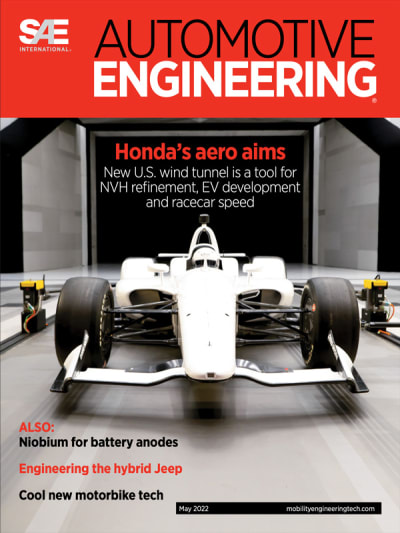
In addition to these discussions, the issue features insights into innovative technologies being developed for electric vehicles. One notable highlight is Honda's advancements in wind tunnel testing, which are crucial for improving aerodynamics and efficiency in both cars and motorcycles. The magazine delves into the technical aspects of these developments, showcasing how manufacturers are leveraging engineering to enhance vehicle performance and sustainability.
Another significant topic covered is the use of niobium in battery anodes, which presents a promising avenue for improving battery performance and longevity. This material is gaining attention for its potential to enhance energy density and charging speeds, addressing some of the critical challenges faced by current battery technologies. The issue provides an overview of ongoing research and development efforts in this area, underscoring the importance of material science in the evolution of electric mobility.
The magazine also previews the upcoming Automate trade show, which will showcase the latest advancements in robotics and artificial intelligence within the automotive sector. This event is positioned as a key opportunity for industry professionals to explore cutting-edge solutions that can enhance manufacturing processes and vehicle automation. The integration of AI and robotics is becoming increasingly vital as the industry moves towards more automated and efficient production methods.
Overall, the May 2022 issue of Automotive Engineering and Battery & Electrification Technology encapsulates the dynamic changes occurring in the automotive landscape, particularly in the context of electrification and technological innovation. It highlights the importance of adapting to consumer preferences, addressing supply chain challenges, and leveraging new materials and technologies to drive the industry forward. As the automotive and motorcycle sectors continue to evolve, this issue serves as a valuable resource for engineers, manufacturers, and enthusiasts alike, providing insights into the future of mobility.
Features
-
Articles
13 All-New Wind Tunnel Lets Honda Air It Out
Regulars
-
Editorial
-
Supplier Eye
-
Technology Reports
Spawning an All-New Gasoline Engine, Stellantis’ Hurricane Is Coming
Stories
-
News
GM: Ultium Heat-Pump System Boosts EV Range, Reduces Charge Times
Airflow Concept Presents Chrysler EV Direction
In-Vehicle Software and Services Are Transforming the Industry
-
Briefs
21 Extending Battery Life of Small Drones
21 Micro-Supercapacitors Enable Fast Charging
22 A High-Energy Density Lithium-Ion Battery
-
Articles
2 The Rechargeable Renaissance
6 Ultracapacitor Solutions to Address Energy-Storage Needs of Vehicles
9 Developing a Better Way to Recycle Lithium-Ion Batteries
-
Applications
-
Products
26 New Products
Top Stories
NewsRF & Microwave Electronics
 Microvision Aquires Luminar, Plans Relationship Restoration, Multi-industry Push
INSIDERAerospace
 A Next Generation Helmet System for Navy Pilots
INSIDERDesign
 New Raytheon and Lockheed Martin Agreements Expand Missile Defense Production
INSIDERMaterials
 How Airbus is Using w-DED to 3D Print Larger Titanium Airplane Parts
NewsPower
 Ford Announces 48-Volt Architecture for Future Electric Truck
ArticlesAR/AI

Webcasts
Electronics & Computers
 Cooling a New Generation of Aerospace and Defense Embedded...
Automotive
 Battery Abuse Testing: Pushing to Failure
Power
 A FREE Two-Day Event Dedicated to Connected Mobility
Unmanned Systems
 Quiet, Please: NVH Improvement Opportunities in the Early Design Cycle
Automotive
 Advantages of Smart Power Distribution Unit Design for Automotive &...
Energy
 Sesame Solar's Nanogrid Tech Promises Major Gains in Drone Endurance