




Autonomous Vehicle Engineering - October 2018
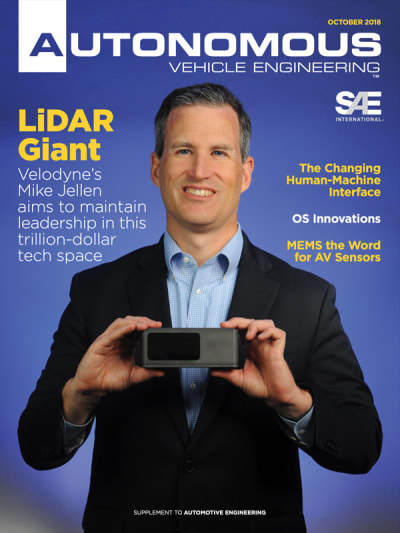
Inside this issue
Overview
The October 2018 Supplement to Automotive Engineering delves into the transformative landscape of the automotive industry, particularly focusing on advancements in autonomous vehicle technology and the evolving human-machine interface (HMI). This issue highlights the critical role of innovation in shaping the future of mobility, emphasizing the integration of cutting-edge technologies that enhance vehicle autonomy and user experience.
One of the key themes of this issue is the significance of LiDAR technology in the realm of autonomous vehicles. Velodyne, a leader in the LiDAR market, is spotlighted for its efforts to maintain a competitive edge in this trillion-dollar sector. The company is known for its pioneering work in developing compact and efficient LiDAR systems that are essential for enabling vehicles to perceive their surroundings accurately. The advancements in LiDAR technology are crucial for the safe operation of autonomous vehicles, as they provide high-resolution 3D mapping and object detection capabilities.
In addition to LiDAR, the issue discusses the integration of various sensors and technologies that contribute to the overall functionality of autonomous vehicles. The use of MEMS (Micro-Electro-Mechanical Systems) sensors is highlighted as a vital component in the development of advanced driver-assistance systems (ADAS). These sensors play a crucial role in enhancing the vehicle's ability to interpret data from its environment, thereby improving safety and performance.
The magazine also addresses the importance of software in the evolution of autonomous vehicles. As vehicles become more connected and automated, the need for robust software solutions becomes paramount. The issue explores the development of open-platform software that allows for greater flexibility and interoperability among different vehicle systems. This approach not only streamlines the integration of various technologies but also fosters innovation by enabling third-party developers to contribute to the ecosystem.
Another significant aspect covered in this issue is the changing nature of the human-machine interface. As vehicles become more autonomous, the way drivers and passengers interact with their vehicles is evolving. The magazine discusses the need for intuitive and user-friendly interfaces that enhance the overall driving experience. This includes advancements in touchscreens, voice recognition, and gesture control, which aim to create a seamless interaction between humans and machines.
The editorial section reflects on the broader implications of these technological advancements, emphasizing the merging of autonomy and mobility. The editorial director, Bill Visnic, shares insights on the satisfaction of covering the auto industry during this transformative period. He notes that the ongoing innovations not only validate the work of journalists in the field but also highlight the importance of staying informed about the rapid changes occurring within the industry.
The issue also features contributions from various editors and industry experts, providing a well-rounded perspective on the current state of automotive engineering. The collaborative efforts of these contributors underscore the importance of diverse viewpoints in understanding the complexities of the automotive landscape.
In terms of market dynamics, the magazine touches on the competitive landscape of the automotive industry, where traditional automakers are increasingly collaborating with technology companies to accelerate the development of autonomous vehicles. This trend reflects a shift towards a more integrated approach to vehicle design and engineering, where software and hardware work in tandem to create safer and more efficient transportation solutions.
Furthermore, the issue highlights the significance of regulatory considerations in the deployment of autonomous vehicles. As the technology advances, policymakers are faced with the challenge of creating frameworks that ensure safety while fostering innovation. The magazine discusses the ongoing dialogue between industry stakeholders and regulators, emphasizing the need for collaboration to establish guidelines that support the safe integration of autonomous vehicles into existing transportation systems.
In conclusion, the October 2018 Supplement to Automotive Engineering provides a comprehensive overview of the current trends and innovations shaping the future of the automotive industry. From advancements in LiDAR and MEMS technology to the evolution of human-machine interfaces and the importance of software solutions, this issue captures the essence of a rapidly changing landscape. As the industry moves towards greater autonomy and connectivity, the insights shared in this magazine serve as a valuable resource for professionals and enthusiasts alike, offering a glimpse into the future of automotive engineering and mobility.
Articles
Top Stories
INSIDERAerospace
 How Airbus is Using w-DED to 3D Print Larger Titanium Airplane Parts
NewsAutomotive
 Microvision Aquires Luminar, Plans Relationship Restoration, Multi-industry Push
INSIDERManufacturing & Prototyping
 A Next Generation Helmet System for Navy Pilots
INSIDERDefense
 New Raytheon and Lockheed Martin Agreements Expand Missile Defense Production
ArticlesAR/AI
 Accelerating Down the Road to Autonomy
Road ReadyDesign

Webcasts
Automotive
 Advantages of Smart Power Distribution Unit Design for Automotive...
Unmanned Systems
 Quiet, Please: NVH Improvement Opportunities in the Early Design...
Defense
 Cooling a New Generation of Aerospace and Defense Embedded...
Power
 Battery Abuse Testing: Pushing to Failure
Power
 A FREE Two-Day Event Dedicated to Connected Mobility
