




Where Key Minerals Used in EVs Come From
EV production relies on imported minerals, primarily from Canada, China, Chile, Gabon, Norway, and Argentina.
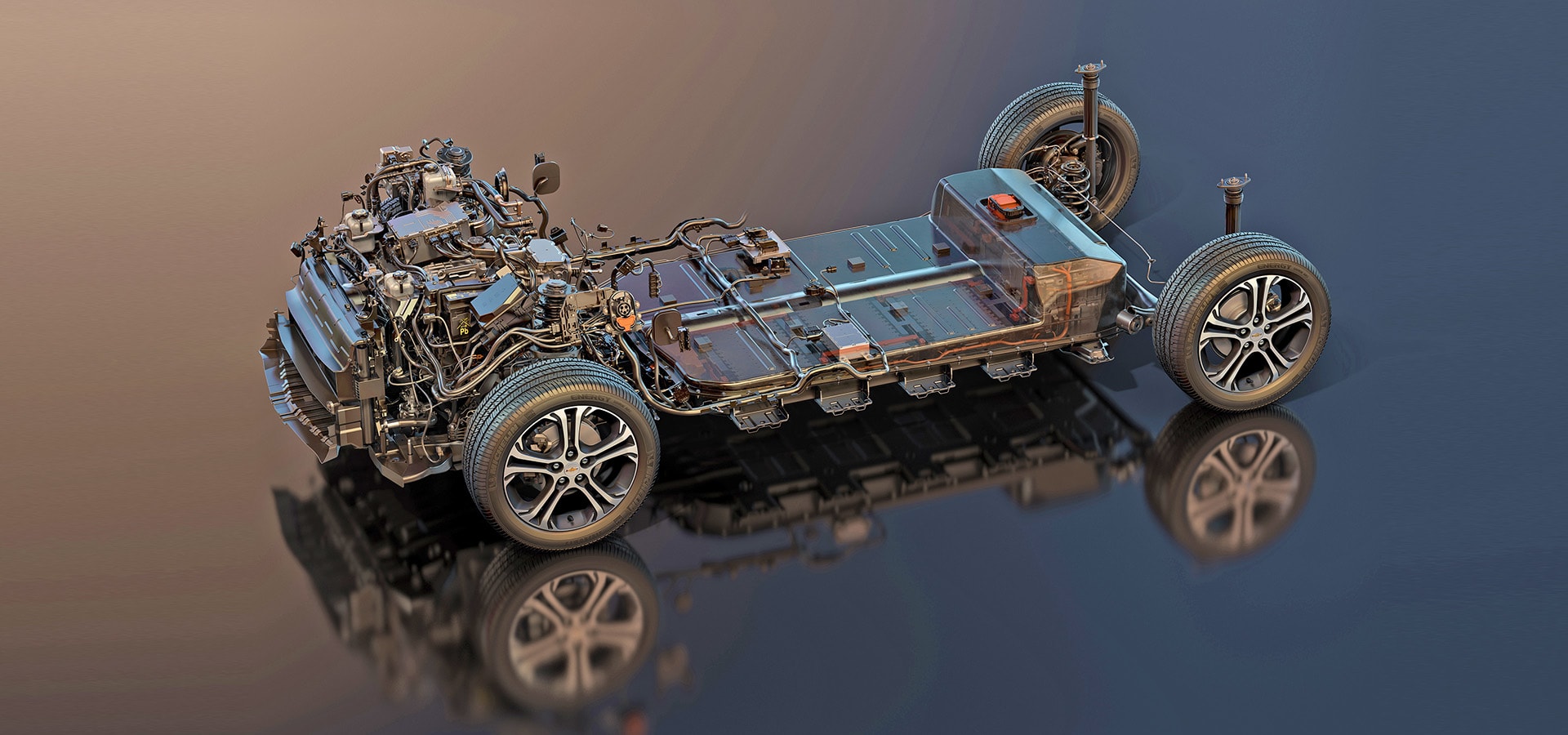
What minerals are used uniquely in the manufacture of electric passenger vehicles? Is the U.S. self-sufficient in these minerals, or does it rely on imports? And if the latter, what are the source countries? These questions are addressed in two tables.
Table 1, below, lists the weight of the minerals used in a typical electric passenger car and a typical IC-engine conventional car. The data are from the International Energy Agency . Importantly, they are applicable for cars and not for vehicles in general, and they are not specifically tailored to the cars made in the U.S. (Note that the relative weight does not necessarily correspond to each mineral’s relative importance.)
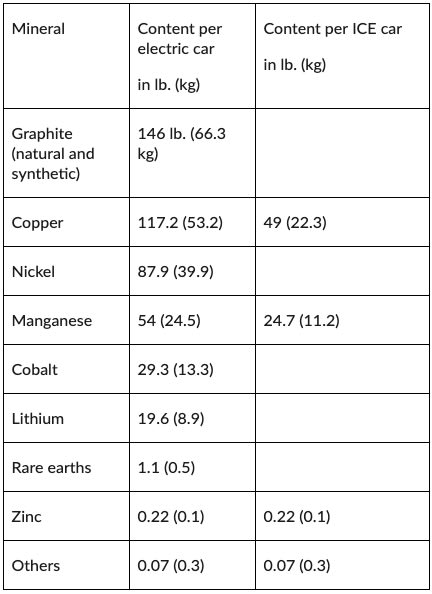
The data show that of the eight minerals used in electric cars, five are not used in conventionally powered cars: graphite, nickel, cobalt, lithium, and rare earths. Furthermore, two additional minerals – copper and manganese – are used in electric cars in more than twice the quantity, by weight, as they are used in conventional cars. Finally, zinc is used to the same extent in both types of cars.
Table 2 includes two sets of information. The first set involves the 2020 U.S. net import reliance for the eight minerals used in electric cars. The data, which come from the U.S. Geological Survey (USGS), represent the imports for all uses, and not just for vehicles. The table shows that the net import reliance is 50% or greater for all but one mineral of interest (indeed, it is 100% for three minerals).
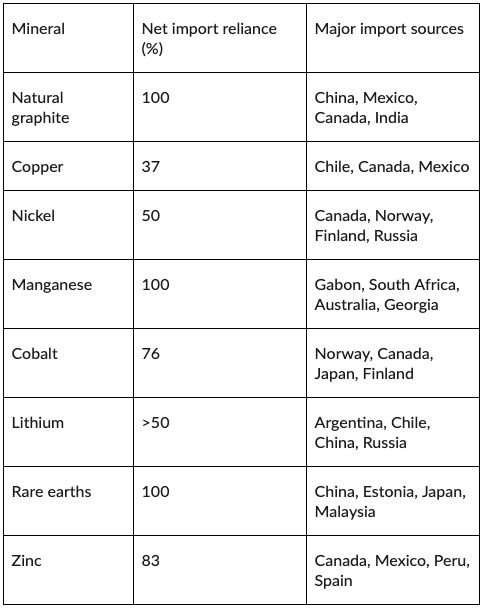
Table 2 also lists the major import sources (in descending order of import share) for all minerals, also from the USGS. The main import sources for the eight minerals are Canada (nickel and zinc), China (natural graphite and rare earths), Chile (copper), Gabon (manganese), Norway (cobalt), and Argentina (lithium). It should be noted that the entries for graphite are for natural graphite. The U.S. is a major producer of synthetic graphite.
Michael Sivak is the managing director of Sivak Applied Research and the former director of Sustainable Worldwide Transportation at the University of Michigan . This article originally posted on https://www.greencarcongress.com and is used with permission.
More From SAE Media Group
Automotive Engineering
Closing the Loop on EV Battery Recycling
Battery & Electrification Technology
New Technique for Environmentally Friendly Battery Recycling
Battery & Electrification Technology
Cobalt-Free Batteries Could Power EVs of the Future
Automotive Engineering
Waging a War for EV Materials Security
Automotive Engineering
WCX 2023: Battery Leaders Say Manufacturing Prowess Needs to Advance
Automotive Engineering
Nissan's Innovative Solid-State Gambit

Automotive Engineering
New Materials Move Li-Ion Batteries Toward the Solid-State Endgame


Automotive Engineering
BMW Plans Move to Structural Battery Packs and ‘46120’ Cells
Automotive Engineering
Establishing Closed-Loop EV Battery Recycling
Automotive Engineering
Looking Ahead to 2026
Tech Briefs
Coating Extends Lithium Metal Battery Life
Battery & Electrification Technology
Cobalt-Free Electrodes Achieved with Nickel Ions
Battery & Electrification Technology
New Cathode Material for Sodium-Ion Batteries
Automotive Engineering
Our Next Energy’s Gemini Battery Could Bring 600-Mile EVs by 2026
Automotive Engineering
Honda Taps Recycling Firms for Future EV Batteries
Battery & Electrification Technology
Building Out the EV Battery-Recycling Ecosystem
Automotive Engineering
Batteries & Recycling: The Next Frontier
Battery & Electrification Technology
Designing Safer, Higher-Performance Lithium Batteries
Automotive Engineering
In Search of Higher-Energy-Content Batteries
Automotive Engineering
GM Picks LMR as Its Future Affordable Battery Technology
Automotive Engineering
Time to Turn ‘BEV’ into a Verb
Battery & Electrification Technology
Volvo Trucks’ Battery Chemistry of Choice: NCA
Tech Briefs
Developing Fast-Charging Lithium-Metal Batteries
Battery & Electrification Technology
Powering the Future of Electric Vehicles with Safer, Lighter Batteries
Automotive Engineering
BEV – a New Business Model
Automotive Engineering
Volvo’s Electric High-Wire Act
Top Stories
NewsAutomotive
 Microvision Aquires Luminar, Plans Relationship Restoration, Multi-industry Push
INSIDERDesign
 A Next Generation Helmet System for Navy Pilots
INSIDERWeapons Systems
 New Raytheon and Lockheed Martin Agreements Expand Missile Defense Production
NewsPower
 Ford Announces 48-Volt Architecture for Future Electric Truck
INSIDERAerospace
 Active Strake System Cuts Cruise Drag, Boosts Flight Efficiency
ArticlesTransportation

Webcasts
Aerospace
 Cooling a New Generation of Aerospace and Defense Embedded...
Test & Measurement
 Battery Abuse Testing: Pushing to Failure
Internet of Things
 A FREE Two-Day Event Dedicated to Connected Mobility
Transportation
 Quiet, Please: NVH Improvement Opportunities in the Early Design Cycle
Electronics & Computers
 Advantages of Smart Power Distribution Unit Design for Automotive &...
Aerospace
 Sesame Solar's Nanogrid Tech Promises Major Gains in Drone Endurance