




Automotive Engineering - December 2016
Inside this issue
Overview
The December 2016 issue of Automotive Engineering presents a comprehensive overview of the latest trends and innovations in the automotive industry, focusing on advancements in technology, powertrains, and the future of vehicle design.
Editorial Insights: The issue opens with an editorial by Bill Visnic, who sets the stage for discussions on the evolving landscape of automotive engineering, particularly in the context of electrification and autonomous technologies. The editorial emphasizes the importance of innovation in maintaining competitiveness in a rapidly changing market.
Technology Report: A significant feature of this issue is the exploration of autonomous technology, particularly Toyota's approach to its "Teammate" system. Toyota is taking a measured stance on autonomous vehicle development, focusing on gradual integration rather than a full leap into fully autonomous systems. This reflects a broader industry trend where manufacturers are balancing innovation with safety and regulatory considerations.
Powertrains and Propulsion: The magazine highlights the resurgence of inline six-cylinder engines, particularly at Mercedes-Benz, where electrification is being integrated into traditional powertrains. This move signifies a shift towards more efficient and powerful engines that can meet stringent emissions regulations while still delivering performance. The article discusses the inherent advantages of the inline six layout, including its balance and torque characteristics, which make it a favorable choice for modern vehicles.
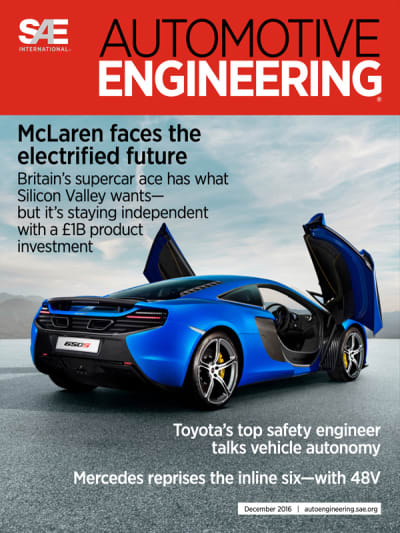
Cover Story - McLaren's Future: The cover story delves into McLaren's ambitious plans for the future, as the company invests £1 billion in developing a new generation of supercars that are both speedy and powerful while remaining fiercely independent. The article discusses the challenges McLaren faces in an era of stringent CO2 regulations and the rise of autonomous vehicles. It highlights the brand's commitment to maintaining its identity as a luxury sports car manufacturer while adapting to new technologies, including electrification.
Global Vehicle Developments: The issue also features a section on global vehicle developments, showcasing various manufacturers' efforts to innovate. Notable mentions include:
- Peugeot's new SUVs, which utilize a modular platform and increase the use of composite materials for weight reduction and efficiency.
- The Mercedes EQ concept, which previews an electric SUV set to launch in 2019, reflecting the brand's commitment to electrification.
- The 2017 Nissan Rogue, which introduces a hybrid system with an EV-only mode, catering to the growing demand for environmentally friendly vehicles.
- Renault's unique kids' racer, showcasing the brand's playful approach to engaging younger audiences with automotive technology.
Product Briefs: In the product briefs section, the magazine spotlights various engine components, emphasizing the importance of innovation in this area to enhance performance and efficiency. This section serves as a reminder of the ongoing advancements in materials and design that are crucial for the next generation of vehicles.
Industry Challenges and Opportunities: Throughout the issue, there is a recurring theme of the challenges and opportunities facing the automotive industry. The push for electrification and the need to comply with environmental regulations are significant hurdles, but they also present opportunities for innovation and growth. Companies like McLaren are at the forefront of this transition, demonstrating that high-performance vehicles can coexist with sustainable practices.
Conclusion: The December 2016 issue of Automotive Engineering encapsulates the dynamic nature of the automotive industry, highlighting the balance between tradition and innovation. As manufacturers navigate the complexities of electrification, autonomous technology, and regulatory pressures, the insights provided in this issue serve as a valuable resource for understanding the future of automotive engineering. The magazine not only showcases the latest advancements but also encourages readers to consider the broader implications of these changes on the industry and society as a whole.
Overall, this issue is a must-read for automotive professionals, enthusiasts, and anyone interested in the future of transportation, offering a glimpse into the exciting developments that are shaping the cars of tomorrow.
Regulars
-
Editorial
-
Global Vehicles
Mercedes EQ Concept Previews 2019 Electric SUV
New Peugeot SUVs Jump to Modular Platform, Increase Composites Use
-
Technology Reports
Mercedes Extensively Electrifies Its New ICEs
Toyota Sticking with Measured, ‘Teammate’ Approach to Autonomous Development
-
Product Briefs
Noise and Vibration-Resistant Rotary Latch
Stories
-
News
Centimeter-Accurate GPS for Self-Driving Vehicles
Nissan Debuts New Series-Type Hybrid for 2017 Note
U.S. EV Charging Infrastructure Set to Accelerate
Audi's New Compact Q2 Blends 3-Cylinder Efficiency, Agile Chassis
Tech Start-Ups Maneuver to Work with OEMs
Continental’s First Production 48-V System on 2017 Renault Scenic
LA Show 2016: Jaguar Reveals Electric I-Pace, Ford Shows EcoSport for U.S.
Need for Cybersecurity Awareness for Managers Grows
LED and ADAS Technologies Fuel Growth for Taiwan's Suppliers
Alfa Romeo's First SUV Shares New RWD Sedan Platform, Engines
Top Stories
INSIDERManufacturing & Prototyping
 How Airbus is Using w-DED to 3D Print Larger Titanium Airplane Parts
INSIDERManned Systems
 FAA to Replace Aging Network of Ground-Based Radars
NewsTransportation
 CES 2026: Bosch is Ready to Bring AI to Your (Likely ICE-powered) Vehicle
NewsSoftware
 Accelerating Down the Road to Autonomy
EditorialDesign
 DarkSky One Wants to Make the World a Darker Place
INSIDERMaterials
 Can This Self-Healing Composite Make Airplane and Spacecraft Components Last...
Webcasts
Defense
 How Sift's Unified Observability Platform Accelerates Drone Innovation
Automotive
 E/E Architecture Redefined: Building Smarter, Safer, and Scalable...
Power
 Hydrogen Engines Are Heating Up for Heavy Duty
Electronics & Computers
 Advantages of Smart Power Distribution Unit Design for Automotive...
Unmanned Systems
 Quiet, Please: NVH Improvement Opportunities in the Early Design...
