




Tesla Eyes Texas Manufacturing Site, Production of Advanced Batteries
Reports say Tesla has chosen Texas for a new vehicle assembly plant that might have mammoth capacity.
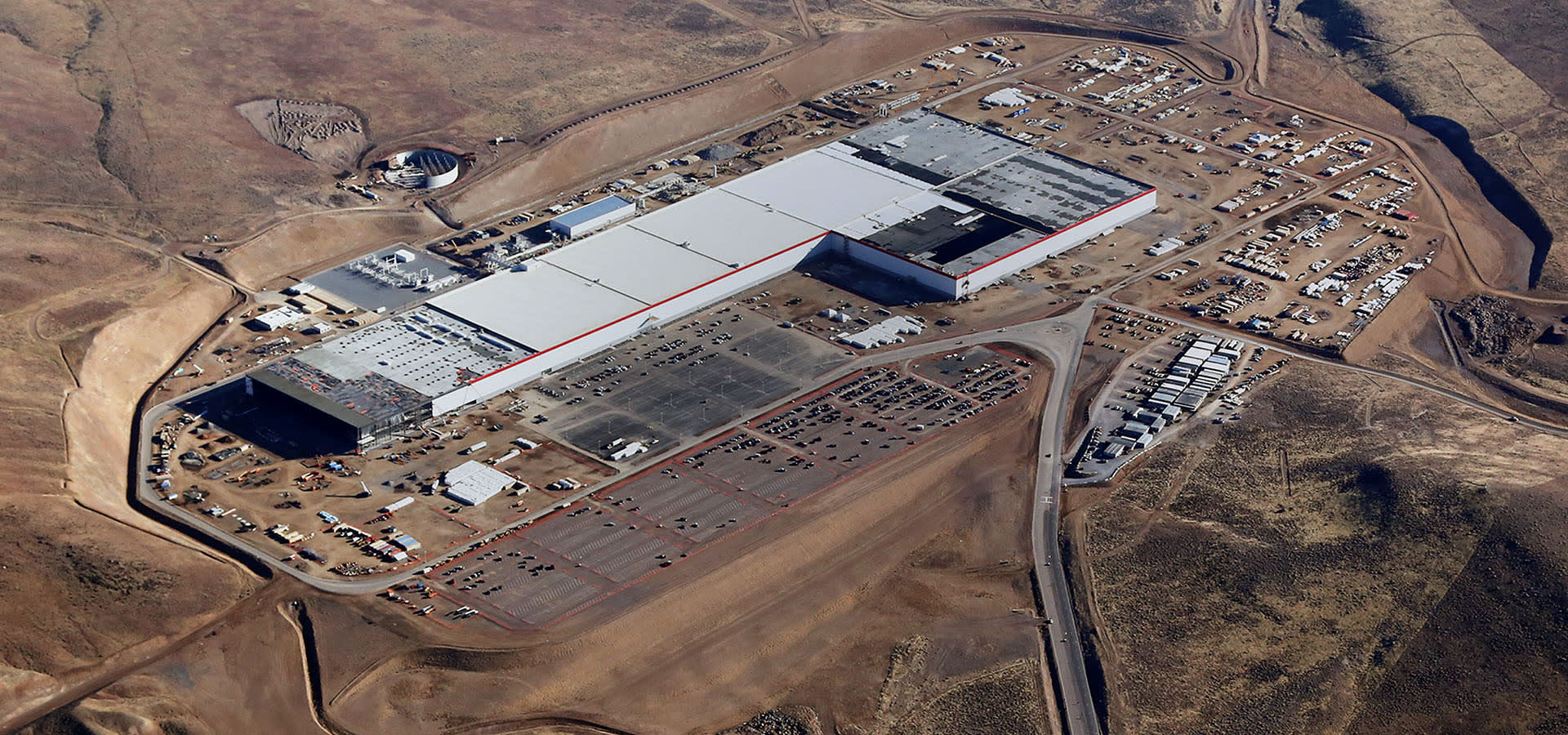
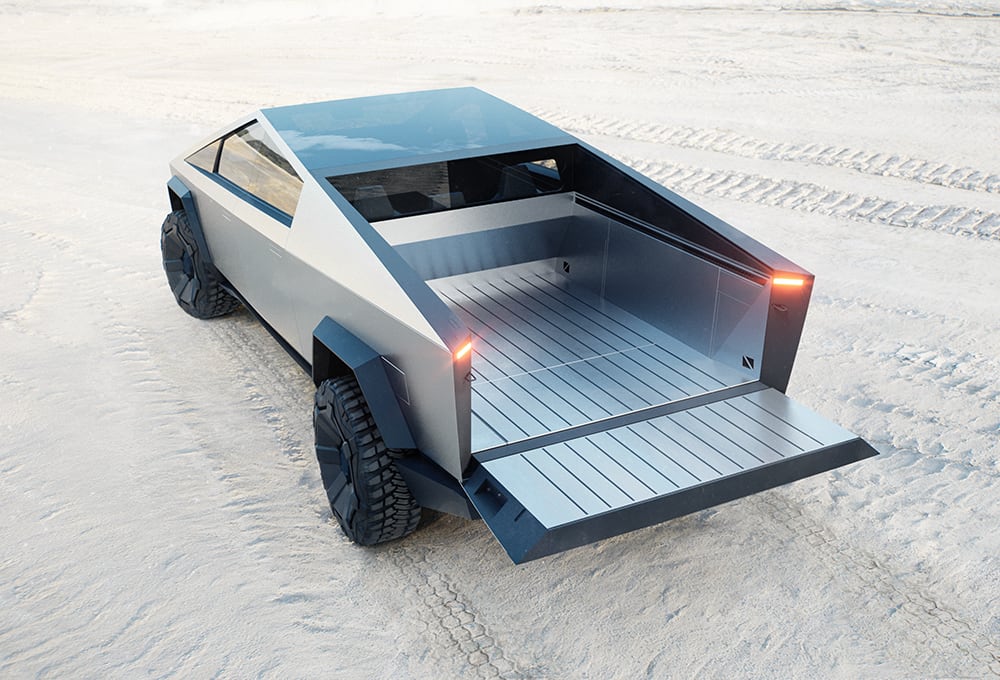
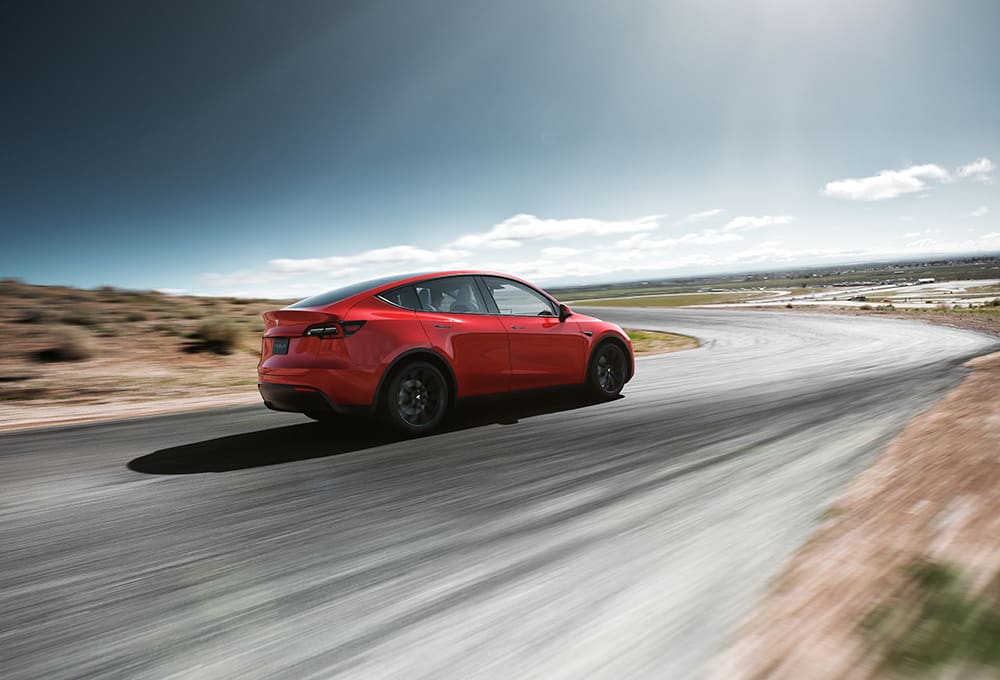
The website Electrek, long closely connected to inside information about electric-vehicle (EV) manufacturer Tesla, reports that the company will confirm it intends to build an all-new vehicle assembly plant near Austin, Texas. The plant reputedly will be earmarked to build Tesla’s new Model Y compact crossover and the company’s first-ever pickup truck, initially dubbed Cybertruck. Equally titillating is the reputed timeline for the factory to come on stream, assembling the Model Y by the end of 2020.
Tesla CEO Elon Musk has a reputation for large promises and having an entirely new plant built and running by the end of this year would be a considerable task. But some have suggested Musk has augmented motivation after he vented frustration with a COVID-related California mandate that sought to keep closed the company’s plant in Fremont longer than Musk believed prudent or necessary.
At the time, he threatened to move Tesla’s headquarters and future vehicle production from the state; speculation began almost instantly as to whether the EV maker – already pressed to capacity in Fremont – might now seek to act quickly on Musk’s assertions. The CEO had previously stated the company would build a new assembly plant for the Cybertruck somewhere in the middle of the country.
Even bigger battery-making footprint?
Musk also has used the term “terafactory” for what could be Tesla’s vision of battery and/or vehicle manufacturing at a scale an order of magnitude larger than at its current battery Gigafactory near Sparks, Nevada. If such a factory were to produce a terawatt-hour of battery cells, the capacity would be 1000 gigawatt-hours, some 20 times the capacity of the Nevada Gigafactory, which Tesla already claims is the world’s largest-capacity battery-production facility.
Musk has said the company is ready to reveal the status of an advanced new battery technology from an internal research and development project. The resulting batteries reportedly would be made by Tesla instead of current partner Panasonic, be more energy-dense and their cost would represent a significant reduction from current levels.
But Tesla also has applied the gigafactory terminology to a factory in Buffalo, NY, that does not produce battery cells and to its newest vehicle-production plant in Shanghai, China. The latest terafactory references could be intended to suggest the general footprint and scope of a new factory; it is unclear if Musk’s vision for the reported new Texas assembly plant could be one of a ‘terafactory’ to manufacture both vehicles and the new Tesla-developed battery cells.
More From SAE Media Group
Automotive Engineering
Slate and SK Executives on Bringing the Inexpensive EV to Market
Automotive Engineering
Change? Sure, Sometimes.
Automotive Engineering
Ford Starts the Hard Work of EV Battery, Raw Materials Security
Automotive Engineering
Tension and the Electric Takeover
Off-Highway Engineering
Tesla Semi “Crushes” SuperTruck 2 in Real-World Efficiency
Automotive Engineering
ICE and Hybrid-Electric Propulsion Show Staying Power
Off-Highway Engineering
Medium-Duty Electric Trucks Multiply to Meet Demand
Automotive Engineering
GM’s Ultium Battery System Future-Proofed
Automotive Engineering
GM and Honda to Jointly Develop Honda’s Electric Vehicles
Automotive Engineering
Architecting GM’s New EV Batteries
Off-Highway Engineering
Mega Push for Heavy-Duty EV Charging
Automotive Engineering
New GM, LG Chem Joint Venture to Build EV Battery Plant in U.S.
Automotive Engineering
Engineering ‘Electron Guzzlers’
Off-Highway Engineering
Nikola Producing Battery-Electric Trucks, Fuel-Cell EVs Coming
Off-Highway Engineering
Q&A: Bollinger Still Expanding in Heavy-Duty EVs
Off-Highway Engineering
Lion Electric Proclaims Its Lion8 Tractor the New King of the EV Jungle
Automotive Engineering
Ford Details All-Electric F-150 Lightning
Off-Highway Engineering
EV Startup Rivian Gets More Funding from Ford, Amazon
Off-Highway Engineering
Daimler Launches New EV Truck Brand for U.S. Market
Off-Highway Engineering
Mercedes-Benz Goes Long with EActros 600 Electric Truck
Automotive Engineering
New Ultium Battery System Underpins GM’s EV Future
Automotive Engineering
Hercules Readies Alpha Electric Pickup Prototypes
Off-Highway Engineering
Hydrogen ‘Inevitable’ for Commercial Vehicles
Automotive Engineering
GM Picks LMR as Its Future Affordable Battery Technology
Automotive Engineering
Slate Unveils Bare-Bones EV Mini Truck
Automotive Engineering
CES 2023: Ram Unveils 2024 Electric Pickup Concept
Off-Highway Engineering
Battery of Issues Surrounds Large-Vehicle Electrification
Automotive Engineering
Actuating Hybrid and EV Efficiency
Automotive Engineering
Hub-Motoring in Lordstown’s Novel Endurance
Automotive Engineering
EV Battery Tech Must Outpace Oil Industry Advances
Top Stories
INSIDERManufacturing & Prototyping
 How Airbus is Using w-DED to 3D Print Larger Titanium Airplane Parts
NewsAutomotive
 Microvision Aquires Luminar, Plans Relationship Restoration, Multi-industry Push
INSIDERAerospace
 A Next Generation Helmet System for Navy Pilots
INSIDERDesign
 New Raytheon and Lockheed Martin Agreements Expand Missile Defense Production
ArticlesAR/AI
 CES 2026: Bosch is Ready to Bring AI to Your (Likely ICE-powered) Vehicle
Road ReadyDesign

Webcasts
Semiconductors & ICs
 Advantages of Smart Power Distribution Unit Design for Automotive...
Unmanned Systems
 Quiet, Please: NVH Improvement Opportunities in the Early Design...
Electronics & Computers
 Cooling a New Generation of Aerospace and Defense Embedded...
Power
 Battery Abuse Testing: Pushing to Failure
AR/AI
 A FREE Two-Day Event Dedicated to Connected Mobility
