




McLaren Applied Technologies’ All-Electric, AI-Infused Vision of Formula 1 Racing
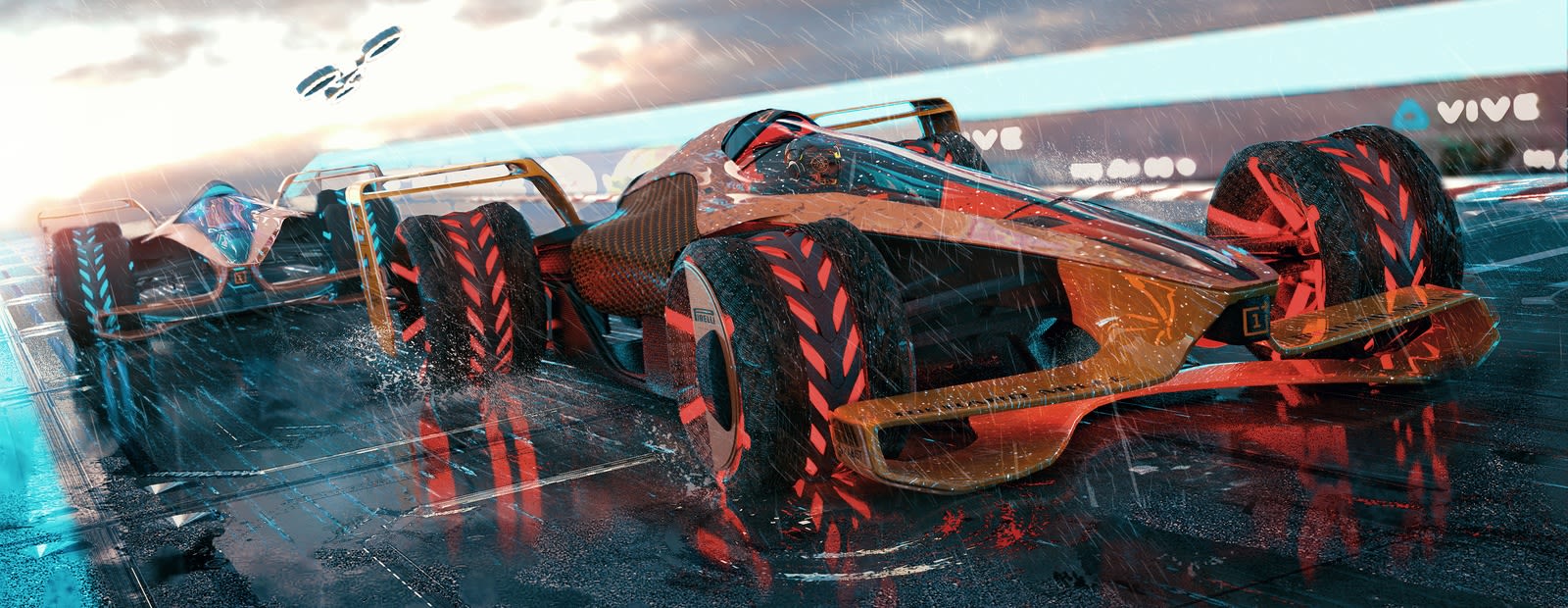
McLaren Applied Technologies of Woking, United Kingdom unveiled their “MCLExtreme” (MCLE) vision for the future of grand prix racing. While McLaren Applied Technologies believes that the 2050 Formula 1 World Championship will still feature open-wheel, rear wheel drive cars with humans in the cockpit, artificial intelligence (AI), augmented reality, autonomous functions, and electric propulsion will play major roles.
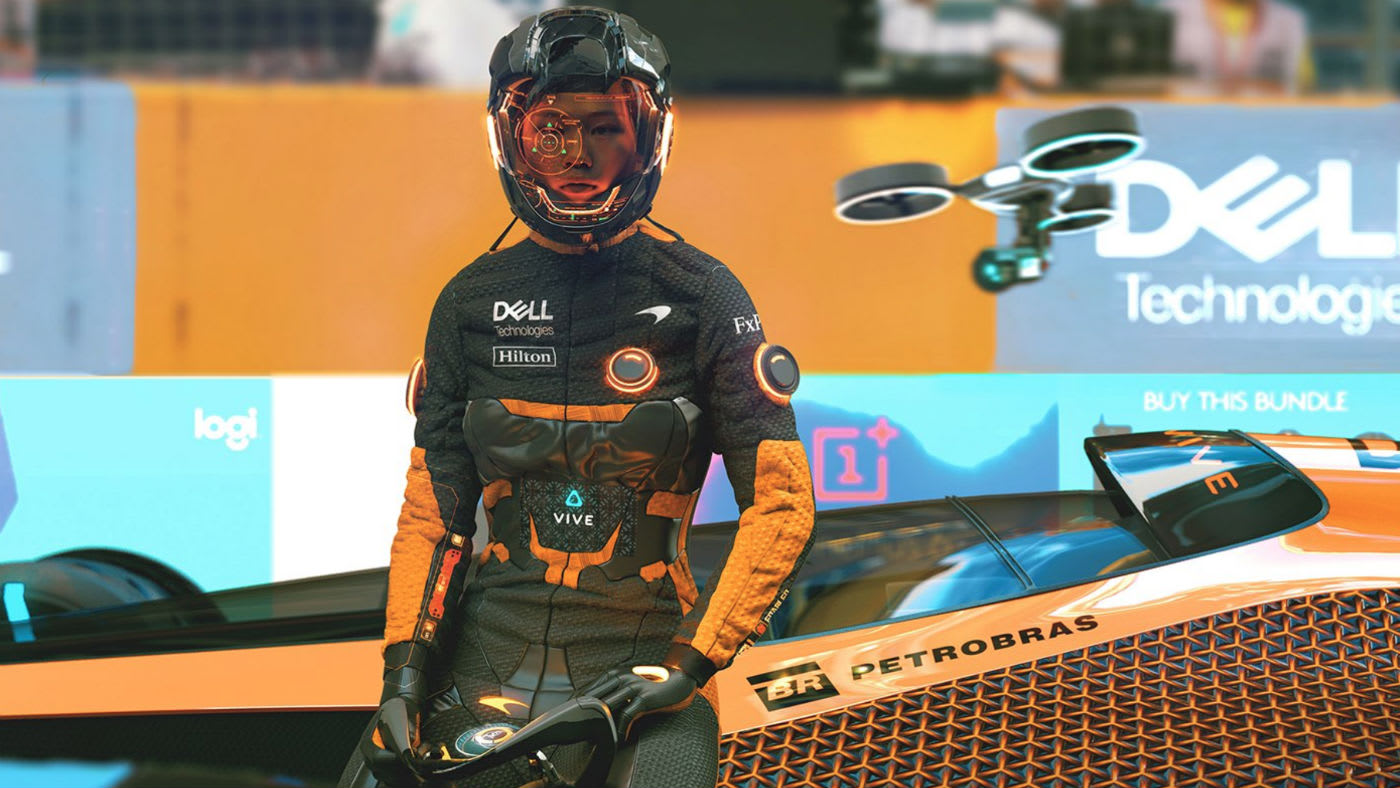
The MCLE concept is a 500 kilometers per hour (310 miles per hour), inductively charged, electric vehicle with shapeshifting active aerodynamic body panels and an on-board AI co-pilot that could learn and predict driver preferences and provide real-time updates via holographic heads-up displays. Much like simulation, big data, and material science, McLaren Applied Technologies sees racing as a potential incubator for the development of AI.
“In the future we could get to the point where human ingenuity is replaced with an AI algorithm,” explains Karl Surmacz, head of modelling and decision science at McLaren Applied Technologies. “Machine learning would see human preferences and decisions, as well as our domain expertise and instinct, captured. Take enough examples of our creative processes and outcomes, and this could be codified into an algorithm which would enable AI to make creative decisions consistent with those of a human counterpart.”
SAE Standards News: J3016 automated-driving graphic update
Through wearable technology and symbiotic links, the AI could even react the driver’s mood and emotional state, to tailor advice based on the physiological and psychological feedback. Embedded sensors and driver monitoring could also tie into a new level of audience interactivity through two-way, audience and driver “sentiment projection,” mood-based, color-shifting vehicle bodywork; and e-sports integration with virtual drivers scouting and relaying information to the driver and AI co-pilot.
Electric Formula 1
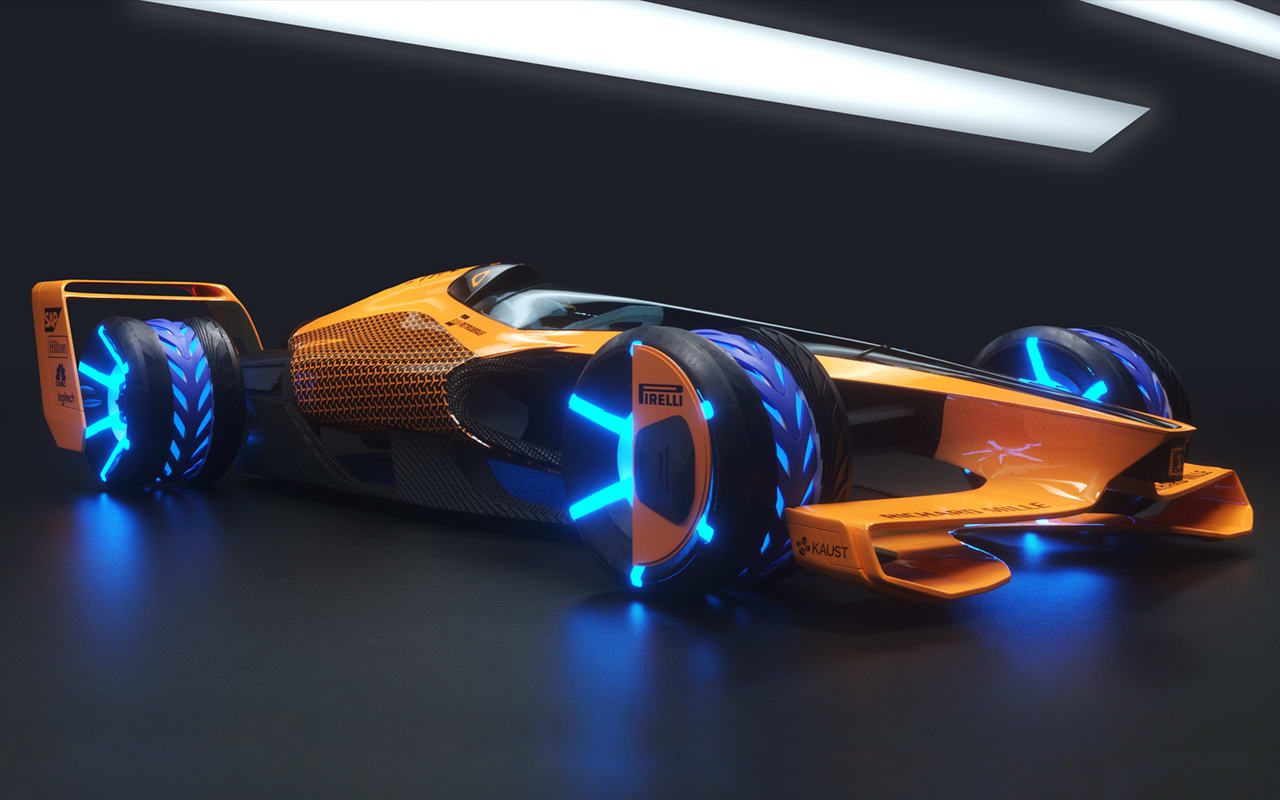
With the understanding that governments around the world are pushing to adopt zero-emission vehicles, McLaren Applied Technologies believes that by 2050, grand prix racing will be all-electric. The company suggests that a car with a small electric motor married to a flexible, high-density battery, with the potential to be molded into the aerodynamic form of the bodywork, would provide the best propulsion framework. Charging technology may even become a drag reduction system-replacement: within a defined window, the car may be able to steal energy from the one ahead, which would present new strategic challenges. According to McLaren Applied Technologies, complexity will lie in storing the energy, as opposed to turning the energy into motion which is currently the case. Based on the company’s research regarding Formula E powertrains, energy storage mechanisms will develop in breadth and depth as many development paths are explored, with cumbersome plug-in power to be a short-term solution.
Attend Formula SAE Electric
McLaren Applied Technologies engineers believe the MCLE cars will charge wirelessly, absorbing power from the ground via inductive resonant coupling. Motorsport is the perfect proving ground to prepare this technology for road use.
"Whether it will be possible in 2050 to fully charge the battery of a grand prix car from flat in less time than it takes a current Formula 1 car to complete a flying lap around the streets of Monaco is difficult to say at this stage," posits Stephen Lambert, head of automotive electrification at McLaren Applied Technologies. "But charging about 10 to 50% of the battery in around 10 to 30 seconds is conceivable.”
"Charging wirelessly sees electromagnetic induction used to transfer energy through an air gap from one magnetic coil buried under the track to a second magnetic coil fitted to the car," Lambert explains.
"When the car is sufficiently positioned for the coils to be aligned, it will induce a current in the car’s coil which feeds into the battery."
The MCLE concept includes a myriad of other designs:
- Black out zones where drivers lose AI support and comms with the team
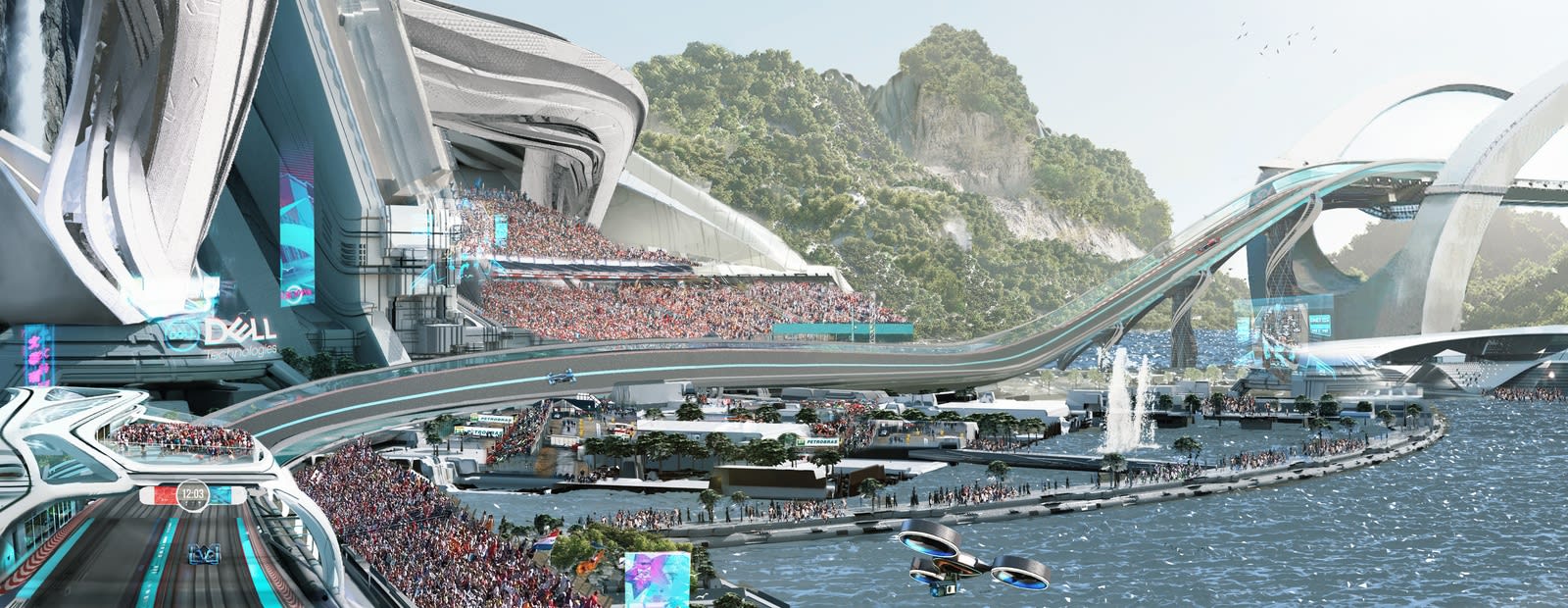
- Reinvented grandstands that incorporate sections of glass-walled, or even glass-roofed track, allowing spectators to stand next to or on top of the track
- Race suit that adopt g-suit technology from fighter aircraft to mitigate blood rush to driver extremities under increased g-loading while braking and when cornering
- Transparent cockpits to highlight steering wheel movement and driver footwork
- Tires made of a self-repairing composite
- Longer and wider circuits with aggressively banked turns to increase the course’s dynamics while decreasing its footprint in urban areas
William Kucinski is content editor at SAE International, Aerospace Products Group in Warrendale, Pa. Previously, he worked as a writer at the NASA Safety Center in Cleveland, Ohio and was responsible for writing the agency’s System Failure Case Studies. His interests include literally anything that has to do with space, past and present military aircraft, and propulsion technology.
Contact him regarding any article or collaboration ideas by e-mail at
More From SAE Media Group
Aerospace & Defense Tech Briefs
AIA Predicts Flying Air Taxis, Supersonic Air Travel, and Space Industry for 2050
Aerospace & Defense Tech Briefs
Industry Invited to Participate in AeroTech Aerospace and Defense Technical Program
Aerospace & Defense Tech Briefs
SAE International Extends Call for Abstracts, Seeks Submissions for AeroTech Conference
Automotive Engineering
Nvidia Partners with AdaCore to Secure Self-Driving Firmware
Automotive Engineering
Will ‘Recalls’ Become ‘Upgrades’?
Aerospace & Defense Tech Briefs
Connected Aircraft Technologies Benefit Manufacturers, Airlines, and Travelers
Automotive Engineering
Volvo’s Electric High-Wire Act
Automotive Engineering
Airbus’ Connected Cabin Concept Is Materializing with First Round of Partnerships
Off-Highway Engineering
Addressing Electromagnetic Compatibility in the Context of Aircraft Electrification
Aerospace & Defense Tech Briefs
Air Mobility Innovations Take Center Stage at Aerospace Systems and Technology Conference
Automotive Engineering
Automated Vehicle Safety Series Addresses Design, Testing, Verification, and Validation
Off-Highway Engineering
Breakthroughs in 3D-Printing Give Way for Promising Textile Lithium Battery Technology
Off-Highway Engineering
WCX 2019: IAMTS Association Will Establish Standardization and Testing for Connected Vehicles
Aerospace & Defense Tech Briefs
SAE International Issues, Revises Technical Reports for Aerospace Engineering
Off-Highway Engineering
Ultrasound Tech Offers Sophisticated Battery-Testing Intelligence
Automotive Engineering
Elevate: Hyundai’s New Four-Wheel Drive, Four-Legged Off-Road Vehicle
Automotive Engineering
Novelis Creates First Aluminum Sheet Battery Enclosure for Mass Electric Vehicle Production
Automotive Engineering
All (Robot) Hands on Deck
Autonomous Vehicle Engineering
Going the Last Mile
Tech Briefs
Machine Learning Method for Battery Development
Automotive Engineering
AI Points the Way to Better EV Battery Management
Automotive Engineering
Using AI and Machine Learning for Vehicle Inspection
Off-Highway Engineering
Europe’s Blockchain-Based Smart E-Mobility Challenge Will Conclude This May in Germany
Tech Briefs
Getting EV Battery Gigafactories Up to Speed
Automotive Engineering
SAE Launches New Standards Document to Rate Power of Electrified Vehicles
Automotive Engineering
Artificial Intelligence, Big Data Optimize EV Batteries
Autonomous Vehicle Engineering
Extending EV Range with AV Programming
Automotive Engineering
Parsons New Smart City Challenge Aims to Reduce Intersection Congestion
Automotive Engineering
Clarios to Build Supercapacitor Plant in U.S.
Transcript
00:00:04 we wanted to create a version of f1 could come to exist and use it to discuss the kind of future that people want all of this allowed us to create a hypothesis that embodied market direction and people's hopes for the future of motorsport we spent time with funds with drivers raced rottenness and engineers when we spent time analyzing technological and market trends together
00:00:28 we created a vision for Formula one in 2050 [Applause] to really explore the future of motorsport it wasn't enough to design another concept car we wanted to explore a vision that captured the fans experience to how a track would develop how the cars will be powered and had the driver would feel we sought out experts
00:01:10 throughout McLaren to understand more of race strategy powertrain battery technology aerodynamics marketing and other key elements that go into running an f1 team what really came through in all this was the passion emotion and story of human endeavor we found people armed with stories of Senna hacking in or Hamilton's finest moments when we spent time with the drivers it was clear
00:01:31 that their viewpoint and what they feel during a race would become integral to the story we also spent times with fans digging deeper to understand the value they derived from f1 their memories relationships and sport and their hopes for the future it was clear that fans won to the sports evolve they want the sport to grow to include new people places and culture it was eye-opening
00:01:52 and exciting to spend time with people who are so passionate about the sport and its role to see the extremes they go to to get as close as possible to racing we looked on with markets and gathered political economic environmental societal and Technology news we will see increased legislation and investments in green energy and environments due to new regulations from
00:02:15 this analysis were able to uncover signals of where these markets might be heading in the future our research gave us some unique first-hand insight into the psyche of a Formula one fund and their deep personal relationship with the sport we learned that funds and other enthusiasts sought purity from the sport and above all else
00:02:40 they had a strong belief that racing is human at its core a sport of passion and one that epitomizes the limits of human endeavor this and other learnings became signals of possible directions and painted a picture of the pressures challenges and opportunities for sport in 2050 we captured these as a set of hypothetical scenarios for example one was faced with increasing symbiosis of
00:03:04 man and machine automation and artificial intelligence in 2050 what a Formula One celebrated the role of the driver working alongside a new generation of mobility designers and material future student we envisioned how Formula One might respond to these scenarios we then synthesized a huge range of
00:03:34 possibilities down to a single set of concept to develop the car that was founded on technical insight from aerodynamics powertrain and other areas alongside exploring how fans could experience the spectacle of Formula One for example we design our cockpit around showcasing the driver to fans it included a visualization of tribal emotion by highlighting emotions such as
00:04:09 frustration while defending their position we can bring fans closer to the experience however to really highlight the story of endeavour we wanted to call a step further we wanted to actuate performance features of the car based on driver cognition physiological data and emotion effectively making the driver the central nervous system of the car by
00:04:41 plugging them in the resulting concept means that when the driver is psyching themselves for an overtake active arrow on the car does the same it hunkers down rings forth back and the side part stuck in creating a streamlined dot that can fly past drivers our design concept is the MCL II an electric car designed around giving the
00:05:22 fans a stake in a spectacle by exposing them to the drivers skills and ever and emotions our vision is to take the human machine interface to the extreme on the machine side it is about embracing the zero-emission journey with no compromise on power efficiency and driving experience we do hope motorsport will evolve in order to increase the accessibility to new people new places
00:05:54 and new cultures and we will work together with our engineers to develop the technology to get the fans closer and closer to the race event and to the spectacle and we believe we no doubt that there are many possible futures for motorsport what do you think [Music]
Top Stories
NewsSensors/Data Acquisition
 Microvision Aquires Luminar, Plans Relationship Restoration, Multi-industry Push
INSIDERRF & Microwave Electronics
 A Next Generation Helmet System for Navy Pilots
INSIDERWeapons Systems
 New Raytheon and Lockheed Martin Agreements Expand Missile Defense Production
NewsAutomotive
 Ford Announces 48-Volt Architecture for Future Electric Truck
INSIDERAerospace
 Active Strake System Cuts Cruise Drag, Boosts Flight Efficiency
ArticlesTransportation

Webcasts
Aerospace
 Cooling a New Generation of Aerospace and Defense Embedded...
Energy
 Battery Abuse Testing: Pushing to Failure
Power
 A FREE Two-Day Event Dedicated to Connected Mobility
Automotive
 Quiet, Please: NVH Improvement Opportunities in the Early Design Cycle
Electronics & Computers
 Advantages of Smart Power Distribution Unit Design for Automotive &...
Unmanned Systems
 Sesame Solar's Nanogrid Tech Promises Major Gains in Drone Endurance