




Additive Manufacturing, Composites Help Grow Global Electric Aircraft Market
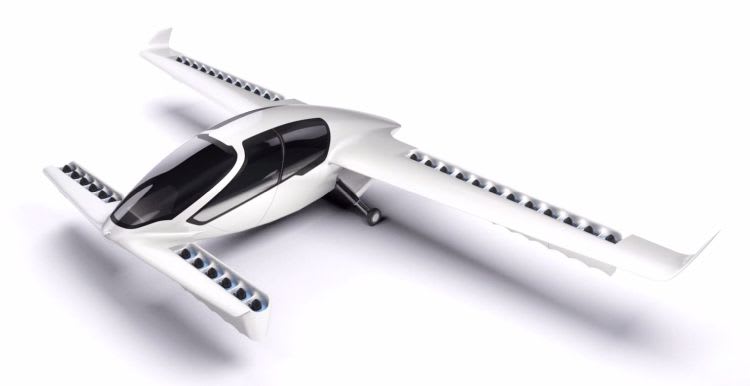
The electric aircraft market continues to grow at a fast pace, boosted by increasing demand for ultralight electric test aircraft and innovative general aviation (GA) programs, such as urban air taxis for urban mobility. The global electric aircraft market, which includes hybrid-electric and all-electric aircraft and systems, will realize a compound annual growth rate of more than seven percent by 2022, predict market research analysts at Technavio in London.

Vertical takeoff and landing ( VTOL ) and all-electrical propulsion technologies bring the promise of low noise pollution and zero emissions, attracting a large number of customers anxious for cheaper, safer, eco-friendly flights in the future, Technavio analysts say. Operators are attracted by the potential for lower operating expenses and reduced functional breakdowns, credited to the absence of oil.
Many companies have entered the electric aircraft market and have been making substantial contributions to it, analysts add. Lilium GmbH in Munich, as an example, plans a five-seater taxi for urban mobility to be ready for commercial rollout by 2019.
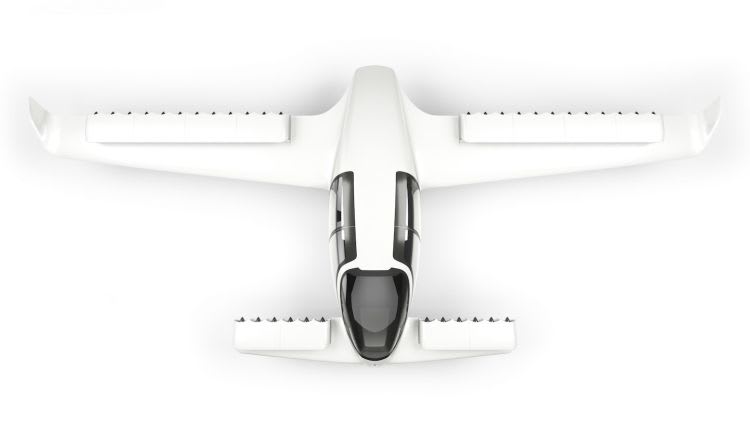
Aircraft manufacturers are focused on reducing the overall weight of the aircraft while maintaining or improving its total carrying capacity. This need to design and produce high-performance aircraft within a weight constraint is the primary driver for aircraft manufacturers to use lightweight composites in manufacturing, Technavio analysts say.
“The advent of 3D printing has allowed the designers to manufacture unconventional design configurations, which would otherwise have been impossible to achieve. The parts or the aircraft can be fully printed with negligible loss of materials as waste. The electric aircraft industry depends on 3D printing for rapid production of aircraft components, saving time, money, and space,” says a senior analyst at Technavio for research on aerospace.
The hybrid segment held the largest market share in 2017, accounting for nearly 93 percent of the market, and is expected to dominate the global market throughout the forecast period, reveals Technavio’s market research report on the global electric aircraft market 2018-2022 .
Europe, the Middle East, and Africa (EMEA) led the market in 2017 with a market share of nearly 47 percent, and is expected to dominate the market through 2022, with an increase in its market share.
Technavio is a global technology research and advisory company focused on emerging market trends, providing actionable insights to help businesses identify market opportunities and develop effective strategies to optimize their market positions.
Related news
Courtney E. Howard is editorial director and content strategist at SAE International, Aerospace Products Group. Contact her by e-mail at
More From SAE Media Group
Aerospace & Defense Tech Briefs
Air Mobility Innovations Take Center Stage at Aerospace Systems and Technology Conference
Aerospace & Defense Tech Briefs
Bell Nexus Full-Scale Air Taxi Design Debuts, Taps Novel VTOL, Hybrid Propulsion, Energy Storage, and Avionics Technologies
Aerospace & Defense Tech Briefs
Bye Aerospace’s Sun Flyer Is Now the “EFlyer”
Aerospace & Defense Tech Briefs
Personal Air Transport Drives Need for Advanced VTOL Technologies, Standards
Aerospace & Defense Tech Briefs
Industry Invited to Participate in AeroTech Aerospace and Defense Technical Program
Aerospace & Defense Tech Briefs
SAE International Issues, Revises Technical Reports for Aerospace Engineering
Aerospace & Defense Tech Briefs
SAE International Extends Call for Abstracts, Seeks Submissions for AeroTech Conference
Aerospace & Defense Tech Briefs
Rolls-Royce to Work with Airframe Manufacturers, Seek Partners for EVTOL Project
Aerospace & Defense Tech Briefs
Vertical Flight Society Applauds EVTOL Innovation, Bell Nexus UAM Concept
Aerospace & Defense Tech Briefs
Avoiding EMI
Aerospace & Defense Tech Briefs
Connected Aircraft Technologies Benefit Manufacturers, Airlines, and Travelers
Aerospace & Defense Tech Briefs
Rolls-Royce’s Race to Develop the World’s Fastest All-Electric Aircraft
Aerospace & Defense Tech Briefs
Aircraft, Engine Orders Reach $98B, Focus on Flying Farther, Faster, Greener at Farnborough Airshow
Aerospace & Defense Tech Briefs
Government, Industry Invest $450M to Advance U.K. Civil Aerospace Research, Technology, Manufacturing
Aerospace & Defense Tech Briefs
Air Racing Is Going Electric
Aerospace & Defense Tech Briefs
Jetoptera, GE Aviation Collaborate On, Demonstrate Hover with Fluidic Propulsion
Aerospace & Defense Tech Briefs
SAE International Launches Aerospace Technology Symposium at Japan Aerospace 2018
Aerospace & Defense Tech Briefs
Stratos Aircraft Evolves Carbon-Fiber Very Light Jet, Offers Limited Number of Kit Aircraft

Aerospace & Defense Tech Briefs
Collins Aerospace Will Provide Avionics and Synthetic Vision for the Supersonic X-59 QueSST
Aerospace & Defense Tech Briefs
Lilium Starts Production of eVTOL Jet Batteries
Autonomous Vehicle Engineering
The Electric, Autonomous Revolution Lifts Off
Aerospace & Defense Tech Briefs
Boeing and NASA Unveil Lightweight, Ultra-Thin, More Aerodynamic Transonic Truss-Braced Wing Concept
Aerospace & Defense Tech Briefs
AIA Predicts Flying Air Taxis, Supersonic Air Travel, and Space Industry for 2050
Aerospace & Defense Tech Briefs
Safran Completes First Ground Test of Distributed Hybrid Electric Propulsion System
Aerospace & Defense Tech Briefs
AVIC Subsidiary Continental Aerospace Will Power the Upcoming Diamond DA50, Expands into Electric Propulsion
Aerospace & Defense Tech Briefs
MagniX and AeroTEC to Fly All-Electric ECaravan May 28
Aerospace & Defense Tech Briefs
Boeing Completes Assembly of the First 777X
Aerospace & Defense Tech Briefs
Martin UAV VTOL Unmanned Aircraft Taps Persistent Systems Wave Relay Data Link Technology
Aerospace & Defense Tech Briefs
FAA, SAE International Focus on Engine Fire Protection System Standards for Aerospace
Top Stories
INSIDERDefense
 New 3D-Printable Nanocomposite Prevents Overheating in Military Electronics
Technology ReportSoftware
 Talking SDVs and Zonal Architecture with TE Connectivity
NewsDesign
 2026 Nissan Sentra Review: Putting the Pieces Together
INSIDERDesign
 New Defense Department Program Seeks 300,000 Drones From Industry by 2027
INSIDERDefense
 Anduril Completes First Semi-Autonomous Flight of CCA Prototype
INSIDERDefense

Webcasts
Transportation
 Hydrogen Engines Are Heating Up for Heavy Duty
Manufacturing & Prototyping
 SAE Automotive Podcast: Solid-State Batteries
Manufacturing & Prototyping
 SAE Automotive Engineering Podcast: Additive Manufacturing
Defense
 A New Approach to Manufacturing Machine Connectivity for the Air Force
Automotive
 Optimizing Production Processes with the Virtual Twin
