




Regulators, FiatChrysler Continue Maneuvering in Diesel Tiff
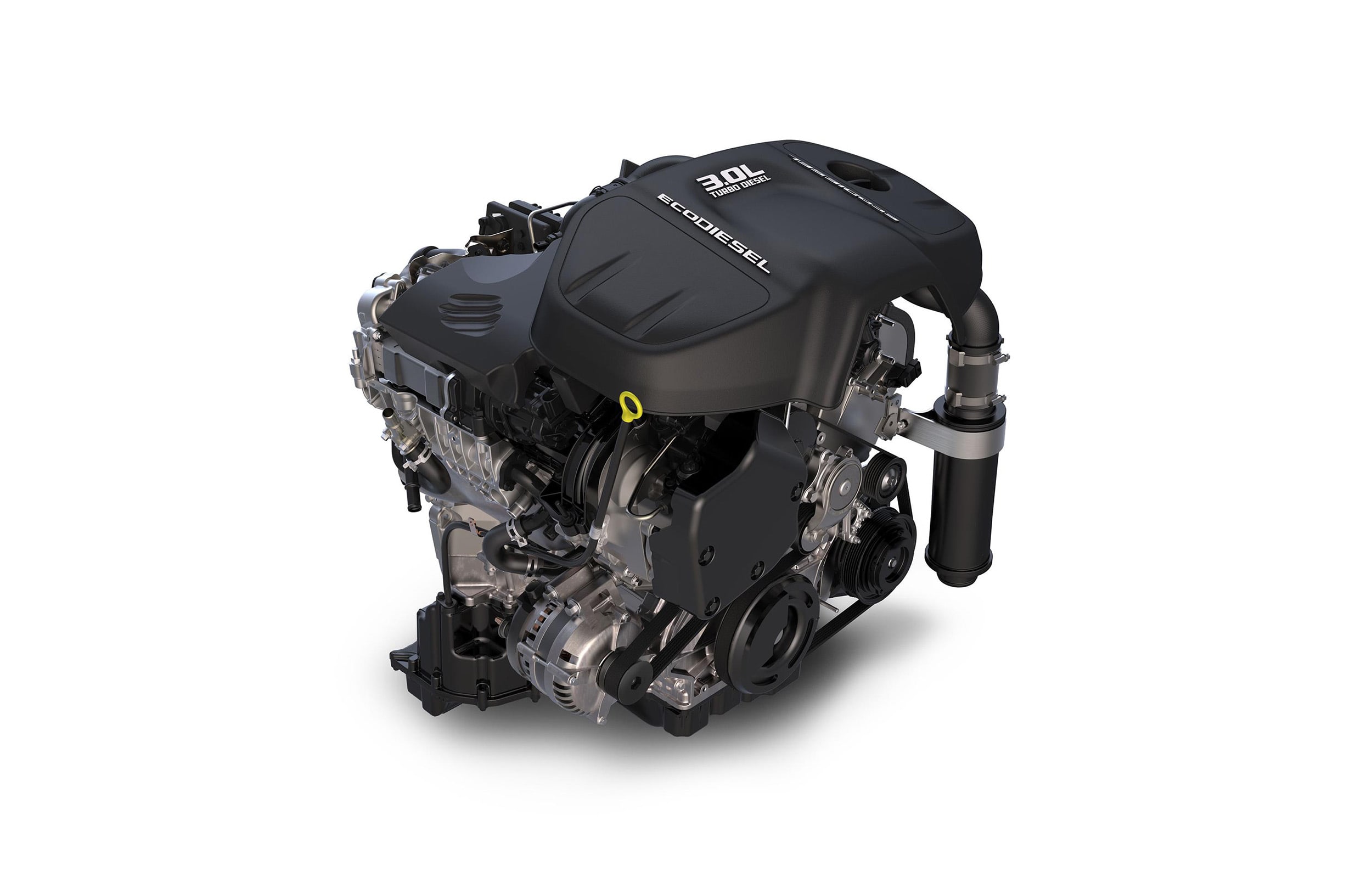
With a mid-May report that the U.S. Justice Dept. was prepared to file suit against FiatChrysler Automobiles if the automaker and U.S. regulators did not come to agreement regarding allegations that FCA used software to allow excess emissions from its 3.0L diesel V6, the company “responded” just days later by announcing it had filed an application with the Environmental Protection Agency for to certify its diesel-engine 2017 Jeep Grand Cherokee and Dodge Ram models.
The automaker said it a software-calibration update proposed for the 2017 diesel-engine models is expected to achieve the regulatory compliance at issue with the previous model-year diesel vehicles.
The company said in a release it “believes that these actions should help facilitate a prompt resolution to ongoing discussions with the Environment and Natural Resources Division of the U.S. Department of Justice and other governmental agencies” regarding the months of talks that so far had failed to produce a resolution to the allegation that FCA—similar to the now-infamous situation that cost Volkswagen tens of billions of dollars to resolve—could have employed a software-based emissions “defeat device” that allowed excess emissions under certain operating conditions.
Regulators were adamant that FCA had yet to provide adequate explanation for certain software functionality for the diesel engines, so it is likely some will be dubious of FCA’s additional statement regarding its 2017 emissions-certification application that said, “FCA US expects that following EPA and CARB (California Air Resources Board) approval, owners of the 2014-2016 MY vehicles will be able to receive the software updates at their dealerships. FCA expects that the installation of these updated software calibrations will improve the 2014-2016 MY vehicles’ emissions performance and does not anticipate any impact on performance or fuel efficiency.”
Since the beginning of 2017-model production, the regulatory dispute meant FCA was unable to sell any of its diesel-engine Ram or Grand Cherokee models. In a scenario that displayed similarities to the progression of the Volkswagen diesel-emissions scandal, several months of negotiation between FCA and regulators had yet to produce a resolution.
Officials for FCA, including CEO Sergio Marchionne, insisted that the company had not installed software intended to deliberately generate excess emissions. At press time, neither U.S. and California environmental regulators or the Justice Dept. had responded to FCA’s application for 2017 diesel-model certification.
More From SAE Media Group
Automotive Engineering
U.S. Sues FiatChrysler over Diesel Emissions
Automotive Engineering
Beleaguered Diesel Could Use a Break—or a Breakthrough
Automotive Engineering
Sunset for the American V8
Automotive Engineering
Light-vehicle Horsepower Hits Historic High in 2021
Automotive Engineering
Volvo XC90 Line-Up Keeps Hybrid Futures Safe
Automotive Engineering
2016 Los Angeles Auto Show: Mazda’s All-New CX-5 to Include Diesel Engine for North America
Automotive Engineering
EPA: Engine, Transmission Advances Make 2025 CAFE Regs Attainable, Affordable
Automotive Engineering
Balancing the Scales in Dakar
Automotive Engineering
Powertrain Analyst: Light-Vehicle Fleet Needs Big Gains to Meet Tightening Emissions Regs
Automotive Engineering
Electrifying GM
Automotive Engineering
EPA-OTAQ Chief on GHG Mandate: ‘Things Look Really Good’
Automotive Engineering
Chrysler Expands Stop-Start to 200, Jeep Cherokee
Automotive Engineering
Magna Shows off Electric Offroad Powertrain, In-Cabin Tech
Automotive Engineering
Suppliers Face the Electrified Future
Automotive Engineering
Dana’s Twin-Clutch Axle Boosts Bronco Sport’s Off-Road Cred
Tech Briefs
Are In-Wheel Motor Systems Catching On?
Automotive Engineering
Seeking More Traction in Budding EV Market, VW Adds AWD to ID.4
Off-Highway Engineering
Medium-Duty Engines, Transmissions Shift Focus to Software
Automotive Engineering
2018 Ford F-150 Diesel Aims to Beat 30 Mpg
Automotive Engineering
Powering Back to the Future
Off-Highway Engineering
Powertrain Mix for CVs in Europe Set to Diversify, but Cost Is Critical
Automotive Engineering
EV Motor Development Is on the Move
Off-Highway Engineering
Nikola Looks to Accelerate Production, Hydrogen Infrastructure
Automotive Engineering
Driving Electrified Powertrain Systems Design
Automotive Engineering
Chrysler Names New Head of Transmission Powertrain
Automotive Engineering
Cadillac Reveals 2025 CT5-V and CT5-V Blackwing with More Tech
Automotive Engineering
Dealing with the BEV ‘Concavity’
Automotive Engineering
Toyota Stretches SUV Line-Up with World Debut of Grand Highlander
Automotive Engineering
Thermal Management Plucks CAFE's Low-Hanging Fruit
Off-Highway Engineering
Next-Gen Automated Transmissions Coming from New Eaton, Cummins JV
Top Stories
INSIDERManufacturing & Prototyping
 How Airbus is Using w-DED to 3D Print Larger Titanium Airplane Parts
INSIDERManned Systems
 FAA to Replace Aging Network of Ground-Based Radars
NewsTransportation
 CES 2026: Bosch is Ready to Bring AI to Your (Likely ICE-powered) Vehicle
NewsSoftware
 Accelerating Down the Road to Autonomy
EditorialDesign
 DarkSky One Wants to Make the World a Darker Place
INSIDERMaterials
 Can This Self-Healing Composite Make Airplane and Spacecraft Components Last...
Webcasts
Defense
 How Sift's Unified Observability Platform Accelerates Drone Innovation
Automotive
 E/E Architecture Redefined: Building Smarter, Safer, and Scalable...
Power
 Hydrogen Engines Are Heating Up for Heavy Duty
Electronics & Computers
 Advantages of Smart Power Distribution Unit Design for Automotive...
Unmanned Systems
 Quiet, Please: NVH Improvement Opportunities in the Early Design...
