




U.S. Sues FiatChrysler over Diesel Emissions

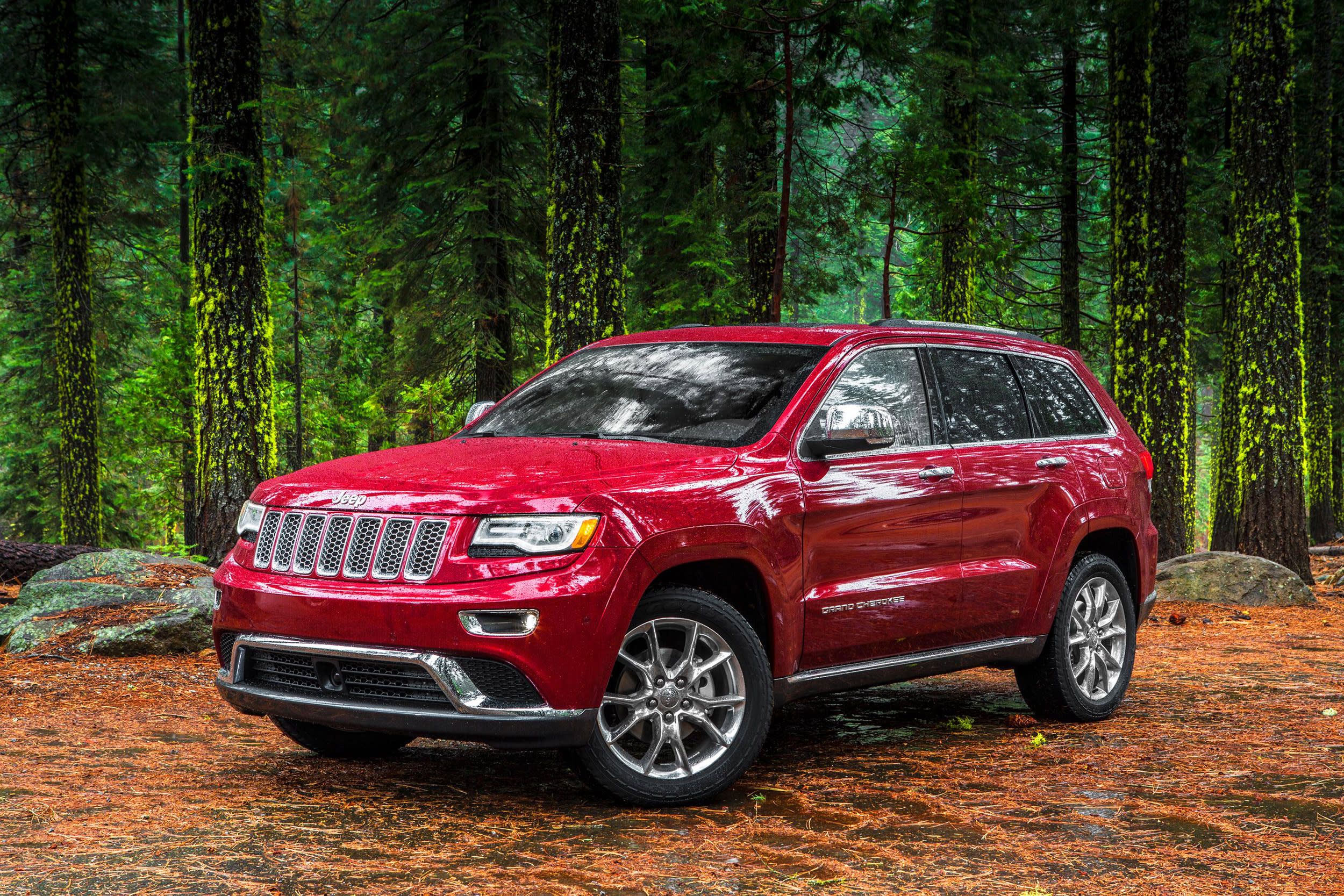
The U.S. Justice Department announced on May 23, 2017, that it filed a civil lawsuit against FiatChrysler Automobiles alleging that FCA used “software functions that were not disclosed to regulators during the (emissions) certification process and that the vehicles contain defeat devices.” for some 104,000 diesel-engine Jeep Grand Cherokee and Dodge Ram pickup trucks sold during the 2014-16 model year.
The lawsuit, filed by the Justice Department’s Environment and Natural Resources Division on behalf of the U.S. Environmental Protection Agency, came just days after FCA announced it was seeking emissions certification for 2017 model-year vehicles fitted with the same 3.0-L diesel V6—but with updated software the automaker claimed would achieve the regulatory compliance at issue with the previous model-year diesel vehicles. The FCA certification application followed months of haggling between the automaker and U.S. and California regulatory interests regarding the disputed software governing the diesel engines.
The Justice Dept. summarized its position in announcing the lawsuit, filed in federal court in Detroit, MI, by saying, “The complaint alleges that the undisclosed software functions cause the vehicles’ emission control systems to perform differently, and less effectively, during certain normal driving conditions than on federal emission tests, resulting in increased emissions of harmful air pollutants.”
Shades of VW
The lawsuit’s discrete “defeat device” language insinuates FCA engaged in a deliberate effort to secretly manipulate the engines’ emissions and raises the spectre of the recently settled Volkswagen diesel-emissions scandal in which VW eventually admitted engine-control software was designed as a defeat device.
FiatChrysler, however, insisted its engines’ software contained no defeat-device programming and said in a written response to the lawsuit, “FCA US is currently reviewing the complaint, but is disappointed that the DOJ-ENRD has chosen to file this lawsuit. The Company intends to defend itself vigorously, particularly against any claims that the Company engaged in any deliberate scheme to install defeat devices to cheat U.S. emissions tests.”
The company further continued to press for approval to install updated software for the engines as a resolution to the issue, adding:
“As FCA US announced last week, it has developed updated emissions software calibrations that it believes address the concerns of EPA and CARB, and has now formally filed for diesel vehicle emissions certification with the regulators for its 2017 model year (MY) Jeep Grand Cherokee and Ram 1500 diesel vehicles. Subject to the permission of EPA and CARB, FCA US intends to install the same modified emissions software in 2014-2016 MY Jeep Grand Cherokee and Ram 1500 diesel vehicles. FCA US believes this will address the agencies’ concerns regarding the emissions software calibrations in those vehicles. FCA expects that the installation of these updated software calibrations will improve the 2014-2016 MY vehicles’ emissions performance and does not anticipate any impact on performance or fuel efficiency.”
The final claim may be particularly scrutinized by regulators, as the ability to reduce emissions while simultaneously having no detrimental impact on performance or fuel economy is a difficult thermodynamic achievement in contemporary internal-combustion engines.
The Justice Dept. said it had identified “at least eight software-based features” that FCA did not identify in its original emissions-certification application for the 2014-16 models and in on-the-road operation display oxides of nitrogen (NOx) emissions “that are much higher than the EPA-compliant level.”
The Justice Dept. said it is seeking injunctive relief and civil penalties. Earlier this year the EPA stated that the maximum penalty could amount to $4.6 billion.
FiatChrysler closed its response to the announced federal legal action on an upbeat not by saying, “Notwithstanding this lawsuit, the Company remains committed to working cooperatively with EPA and CARB to resolve the agencies’ concerns quickly and amicably.”
More From SAE Media Group
Automotive Engineering
Regulators, FiatChrysler Continue Maneuvering in Diesel Tiff
Automotive Engineering
Beleaguered Diesel Could Use a Break—or a Breakthrough
Automotive Engineering
Sunset for the American V8
Automotive Engineering
Volvo XC90 Line-Up Keeps Hybrid Futures Safe
Automotive Engineering
Powertrain Analyst: Light-Vehicle Fleet Needs Big Gains to Meet Tightening Emissions Regs
Off-Highway Engineering
Powertrain Mix for CVs in Europe Set to Diversify, but Cost Is Critical
Automotive Engineering
Magna Shows off Electric Offroad Powertrain, In-Cabin Tech
Automotive Engineering
Balancing the Scales in Dakar
Automotive Engineering
Electrifying GM
Tech Briefs
Are In-Wheel Motor Systems Catching On?
Off-Highway Engineering
Medium-Duty Engines, Transmissions Shift Focus to Software
Automotive Engineering
Axellent Progress
Automotive Engineering
Musclecar Godzilla: Dodge Reveals 840-Hp Challenger SRT Demon
Automotive Engineering
EPA: Engine, Transmission Advances Make 2025 CAFE Regs Attainable, Affordable
Automotive Engineering
Light-vehicle Horsepower Hits Historic High in 2021
Off-Highway Engineering
Many ICE Paths Lead to Reduced Emissions
Automotive Engineering
Driving Electrified Powertrain Systems Design
Off-Highway Engineering
Nikola Looks to Accelerate Production, Hydrogen Infrastructure
Automotive Engineering
Plug-In Hybrid Brings Honda into Sharper Clarity
Automotive Engineering
GKN Spreads Premium Propshaft Tech to Quiet Pickup Cabins
Automotive Engineering
2018 Ford F-150 Diesel Aims to Beat 30 Mpg
Automotive Engineering
Dealing with the BEV ‘Concavity’
Automotive Engineering
2019 Chevrolet Silverado 2.7L
Off-Highway Engineering
Nikola CEO: Fuel-Cell Class 8 Truck on Track for 2021
Automotive Engineering
Powering Back to the Future
Off-Highway Engineering
Tenneco Takes Active (And Passive) Approach to Thermal Management
Automotive Engineering
48V Is Coming, and Not Just for EVs
Automotive Engineering
Bridging the Power Gap with 48 Volts
Automotive Engineering
Oil Change Valve
Top Stories
INSIDERManufacturing & Prototyping
 How Airbus is Using w-DED to 3D Print Larger Titanium Airplane Parts
INSIDERManned Systems
 FAA to Replace Aging Network of Ground-Based Radars
NewsTransportation
 CES 2026: Bosch is Ready to Bring AI to Your (Likely ICE-powered) Vehicle
NewsSoftware
 Accelerating Down the Road to Autonomy
EditorialDesign
 DarkSky One Wants to Make the World a Darker Place
INSIDERMaterials
 Can This Self-Healing Composite Make Airplane and Spacecraft Components Last...
Webcasts
Defense
 How Sift's Unified Observability Platform Accelerates Drone Innovation
Automotive
 E/E Architecture Redefined: Building Smarter, Safer, and Scalable...
Power
 Hydrogen Engines Are Heating Up for Heavy Duty
Electronics & Computers
 Advantages of Smart Power Distribution Unit Design for Automotive...
Unmanned Systems
 Quiet, Please: NVH Improvement Opportunities in the Early Design...
