




Powertrain Mix for CVs in Europe Set to Diversify, but Cost Is Critical

The European Commission looks set to continue its move away from diesel, prompting manufacturers to assess future powertrain options for commercial vehicles.
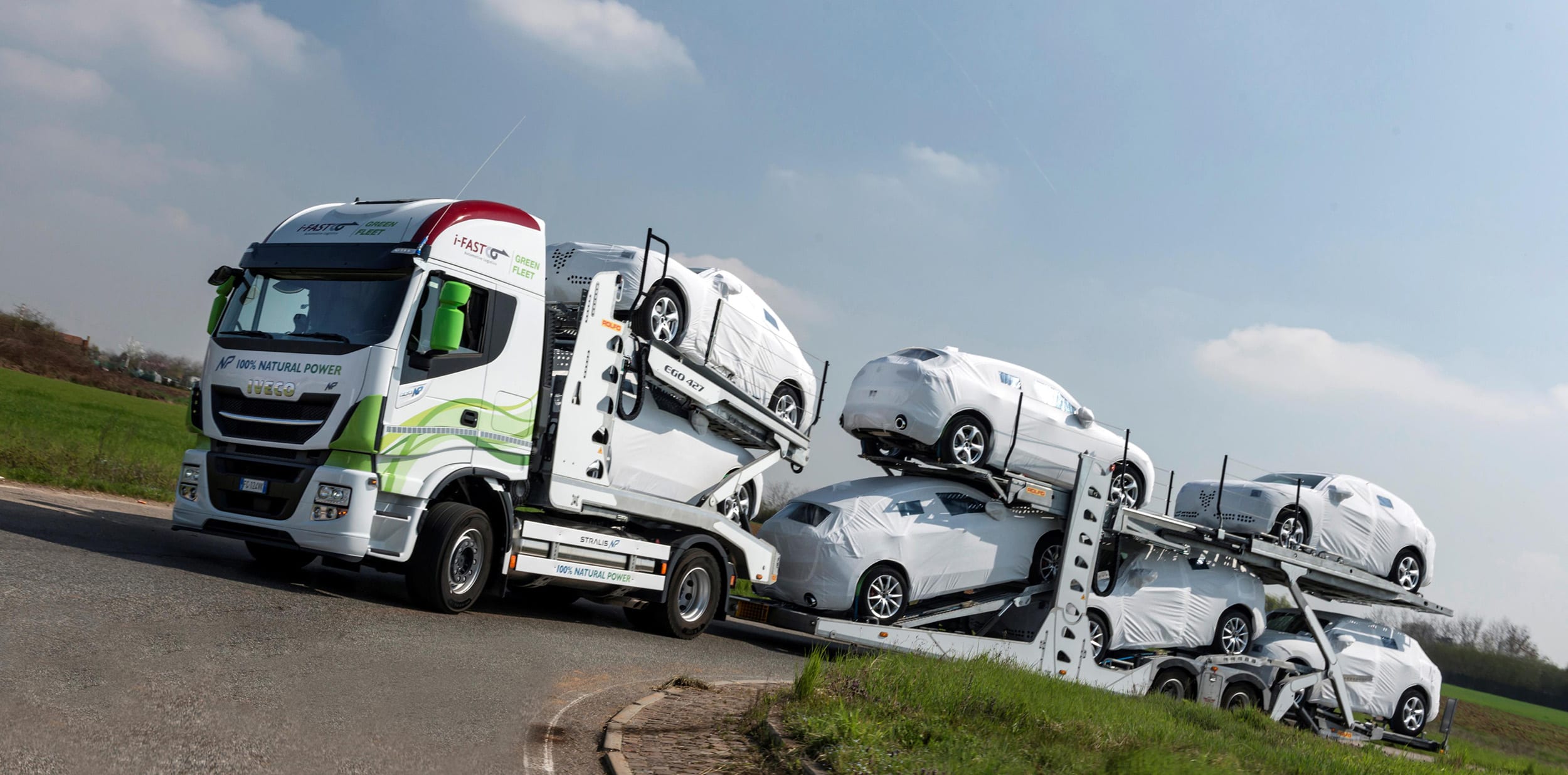
As many cities across Europe call for improved air quality, the Commission has proposed new targets for EU fleet-wide average CO2 emissions of new passenger cars and vans. Under its second Mobility Package proposal, average CO2 emissions from cars and vans would be cut by 15% by 2025 and should be 30% lower in 2030, compared to current plans for 2021.
Note that the EC has included light commercial vans with passenger cars in this proposal, despite the huge range of vehicle sizes, weights and operating duties in the LCV market. A similar proposal for trucks and buses is expected in spring 2018.
In response to this initiative from the EC, the European Automobile Manufacturers Association (ACEA) recently held a conference in Brussels to discuss powertrain options for commercial vehicles. ACEA focused its attention on the possible technologies for both long-haul transportation and the urban transport of goods and people. Manufacturers recognized the good intentions of the proposed cut in CO2 emissions, but there was certainly concern about grouping light commercials with passenger cars.
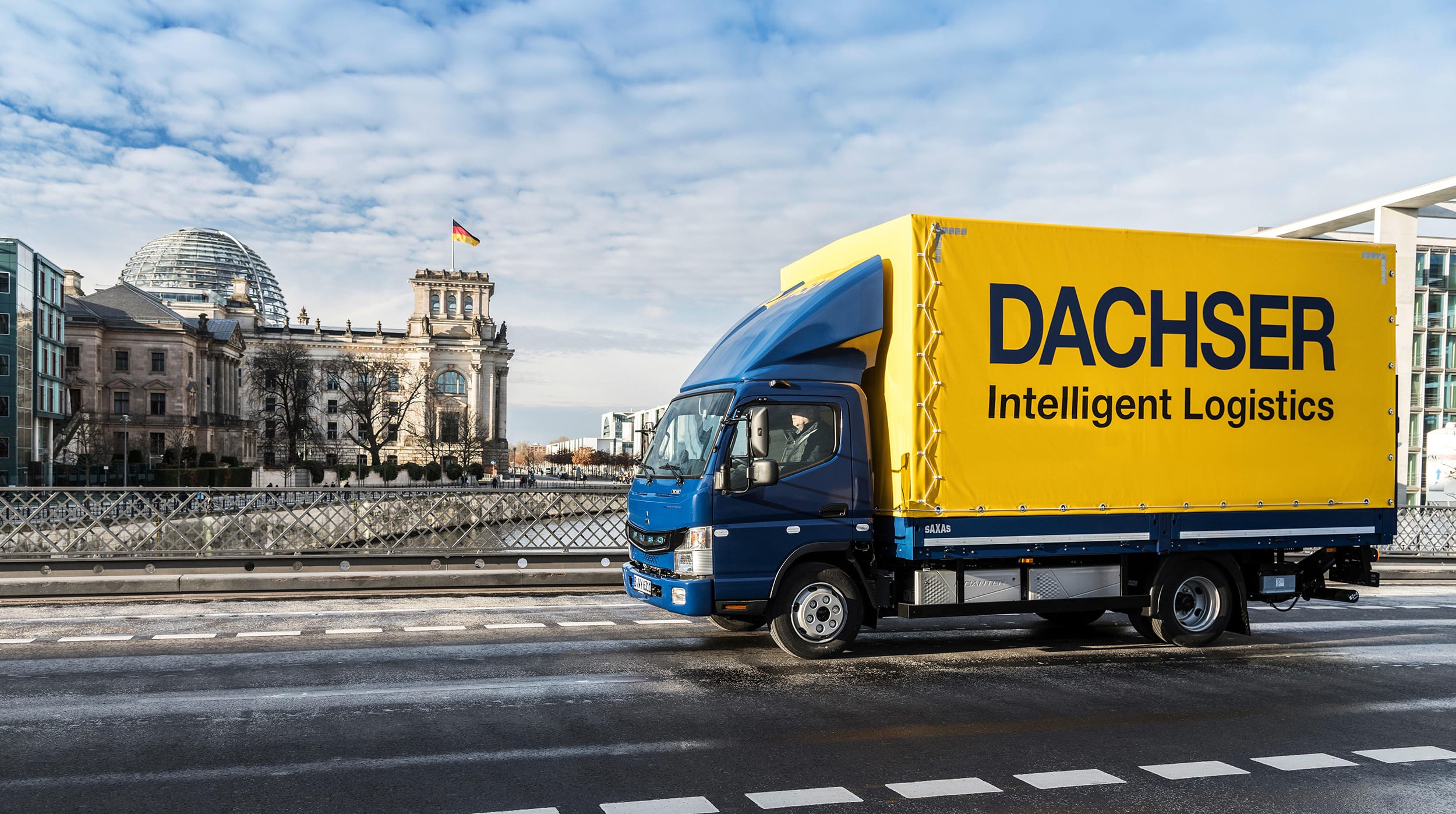

“We feel that the Commission didn’t differentiate enough between cars and vans,” said Erik Jonnaert, secretary general of ACEA. “It was very aggressive on vans. Clearly, CO2 targets can provide an impetus for innovation in the auto industry, but the current proposal is very aggressive when we consider the low and fragmented market penetration of alternatively-powered vehicles across Europe to date.
“Europe needs much more investment in recharging and refueling infrastructure before we can expect consumers throughout the entire EU to embrace such vehicles.”
Urban delivery
While many felt that any future powertrain mix would include a range of technologies, there seems little doubt that the move towards lighter vehicles in last-mile urban delivery will continue.
“In urban areas, the van is the appropriate solution,” said Volker Mornhinweg, chairman of ACEA’s Light Commercial Vehicle Committee and executive vice president of Mercedes-Benz Vans.
“Currently, 96% of vans are diesel-engine [powered]. They are extremely efficient and have a low total cost of ownership.
“For the future, we see electric vans for last-mile delivery as range is not that long, up to 70-80 km per day, so we can use less batteries. But last-mile deliveries are only 10% of the van market. Diesel will still be the backbone of our industry in the future.”
Long haul
When it comes to longer distance haulage and logistics, electric vehicles will continue to struggle to compete with other powertrain options. This is partly due to the fact that electric trucks are up to three times as expensive as diesel vehicles. ACEA believes that future powertrains, in the short term at least, will rely on compressed natural gas (CNG) and liquid natural gas (LNG) along with biomethane that can be provided from renewable sources.
“Unsurprisingly, there is no one simple answer,” said Preston Feight, chairman of ACEA Commercial Vehicle Board and president of DAF Trucks, the European truck division of U.S. giant Paccar.
“First and foremost, we have to look at safety, for the person operating the vehicle and for everyone in the operating environment. Secondly, cost—fuel is the single biggest operating cost of commercial vehicles. The affordability of alternatively-powered vehicles is key, as operators simply have to make money with their vehicles.
“Truck drivers simply cannot be in a situation where they find themselves unable to recharge or refuel quickly and easily as they deliver goods from one country to another. Thirdly, the environment. Decarbonizing the environment is important for all of us.”
“In 2030, I would envisage vehicles that are safer than today, with degrees of autonomy. Vehicles with improved durability and reliability,” Feight continued. “For powertrains, there will still be a strong utilization of diesel. But there will also be liquid natural gas and biofuels, along with some hybridization and electric vehicles. It’s going to be a mixture, where it’s appropriate to the market.”
More From SAE Media Group
Off-Highway Engineering
EVs Are Coming, but Challenges, Alternative Fuels Will Slow Turnover
Automotive Engineering
Dealing with the BEV ‘Concavity’
Automotive Engineering
The International Fight over EFuels, Internal Combustion’s Would-Be Savior
Automotive Engineering
Sustainable Transformation—the Daimler Way
Automotive Engineering
Keeping Combustion in the Conversation
Off-Highway Engineering
Many ICE Paths Lead to Reduced Emissions
Off-Highway Engineering
Volvo Trucks Tests Hybrid Powertrain for Long-Haul Transport in Concept Truck
Automotive Engineering
Beleaguered Diesel Could Use a Break—or a Breakthrough
Automotive Engineering
U.S. Sues FiatChrysler over Diesel Emissions
Off-Highway Engineering
Nikola CEO: Fuel-Cell Class 8 Truck on Track for 2021

Off-Highway Engineering
Nikola Looks to Accelerate Production, Hydrogen Infrastructure
Tech Briefs
EV vs. ICE: How Does Wire Harness Design Differ?
Off-Highway Engineering
Combustion Engines Carry on in Construction
Off-Highway Engineering
Marmon-Herrington Launches Infinitely Variable Transmission, Variable Power Divider at ConExpo
Automotive Engineering
Mazda Pushes the Propulsion Frontier
Automotive Engineering
Suppliers Face the Electrified Future
Automotive Engineering
Bridging the Power Gap with 48 Volts
Automotive Engineering
48V Is Coming, and Not Just for EVs
Automotive Engineering
EV Motor Development Is on the Move
Automotive Engineering
Volvo XC90 Line-Up Keeps Hybrid Futures Safe
Off-Highway Engineering
Cummins Transitions from Diesel Engine to 'Power Technology' Company
Off-Highway Engineering
The Future of Off-Highway Drivelines
Off-Highway Engineering
Electric Machines Find Their Niche
Tech Briefs
Making Hydrogen Power a Practical Proposition
Automotive Engineering
Wheel-Hub-Motor Innovations in Flux
Automotive Engineering
Driving Electrified Powertrain Systems Design
Automotive Engineering
Powertrain Analyst: Light-Vehicle Fleet Needs Big Gains to Meet Tightening Emissions Regs
Top Stories
INSIDERManufacturing & Prototyping
 How Airbus is Using w-DED to 3D Print Larger Titanium Airplane Parts
INSIDERManned Systems
 FAA to Replace Aging Network of Ground-Based Radars
NewsTransportation
 CES 2026: Bosch is Ready to Bring AI to Your (Likely ICE-powered) Vehicle
NewsSoftware
 Accelerating Down the Road to Autonomy
EditorialDesign
 DarkSky One Wants to Make the World a Darker Place
INSIDERMaterials
 Can This Self-Healing Composite Make Airplane and Spacecraft Components Last...
Webcasts
Defense
 How Sift's Unified Observability Platform Accelerates Drone Innovation
Automotive
 E/E Architecture Redefined: Building Smarter, Safer, and Scalable...
Power
 Hydrogen Engines Are Heating Up for Heavy Duty
Electronics & Computers
 Advantages of Smart Power Distribution Unit Design for Automotive...
Unmanned Systems
 Quiet, Please: NVH Improvement Opportunities in the Early Design...
