




Polyamide for Low-Friction Timing System
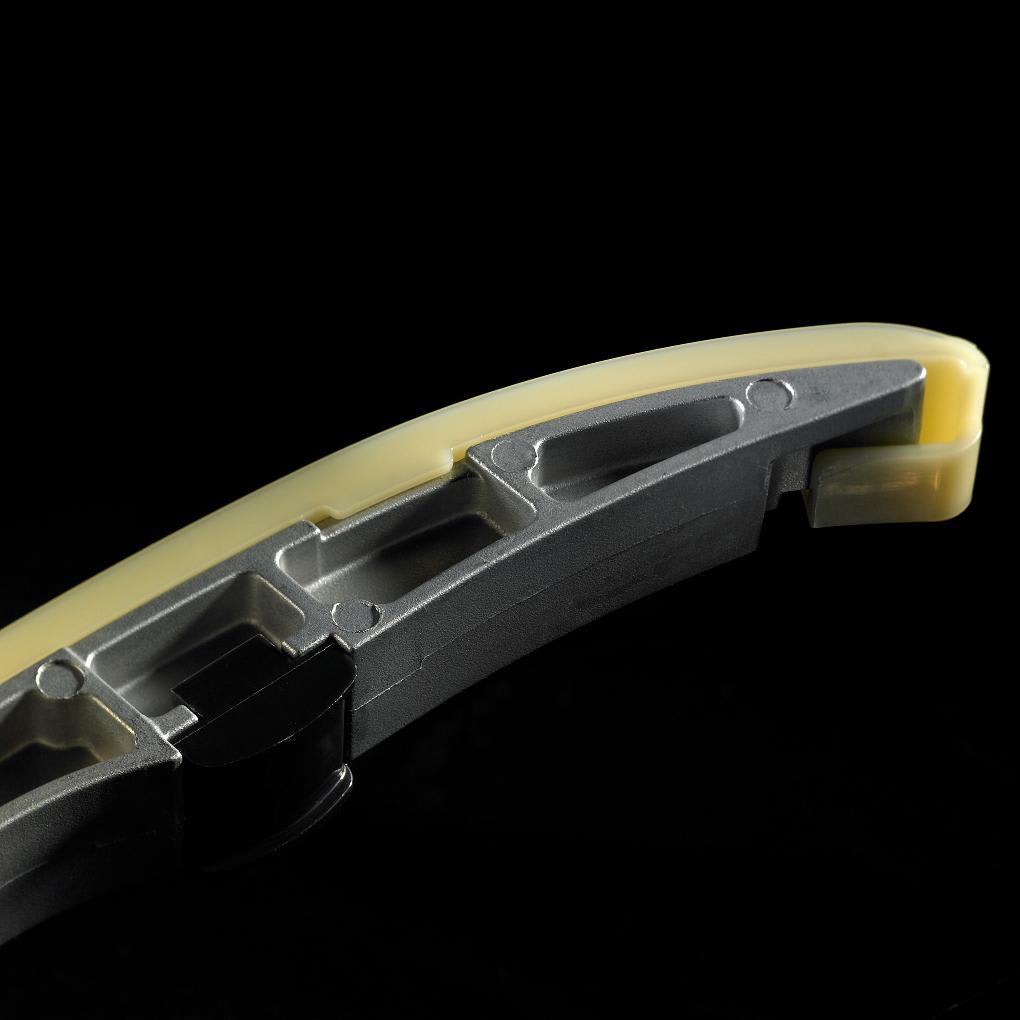
Stanyl PA46 from DSM has been chosen for low-friction slide shoes within the timing system of turbocharged gasoline engines. The timing system parts are produced by Quadrant Creative Molding & Systems, and the system items are supplied by Tsubakimoto UK. These engines represent the latest advancements in engine downsizing, and they offer an optimized combination of drivability and fuel consumption, with significantly lower CO2 emissions, despite their higher power. Stanyl PA46 is already widely used in engine components because of its ability to withstand the highly demanding conditions found in the slide shoe, which include high temperatures, high loads, high velocities, harsh chemical environment, and heavy vibrations. Until now, the current industry standard for engine components has been Stanyl TW341, but for the new engines, this PA46 material, Stanyl TW371, provides even better friction performance. Tests have shown a 20% reduction in friction by Stanyl TW371. This provides extra benefits in terms of reduced CO2 emissions and improved fuel economy.
For more information, visit Booth 1215 at SAE World Congress or http://www.dsm.com/products/stanyl/en_US/home.html.
More From SAE Media Group
Tech Briefs
H2-ICE Is Heating Up

Tech Briefs
When to Expect a Hydrogen Fuel Cell Truck
Automotive Engineering
How Higher-Quality Gasoline Keeps Modern Engines Clean and Efficient
Automotive Engineering
Stanadyne Pumps up the Volume
Tech Briefs
Nanotechnology Repairs Engine Damage in Cars
Off-Highway Engineering
Fuel Cell Production Spurs Supplier Opportunities

Off-Highway Engineering
Shell Details Upcoming Engine-Oil Developments
Off-Highway Engineering
JCB Debuts Clean-Sheet Hydrogen Combustion Engine
Off-Highway Engineering
Scania Adapts On-Highway Diesel for New Off-Highway Engine Platform
Automotive Engineering
SAE Updates Gasoline Fuel-Injection Standards, Additions Expected
Off-Highway Engineering
Mahle and Partners Develop Super-Efficient Engine for Stationary Power
Automotive Engineering
E-Fueling for the Future
Automotive Engineering
Propulsion Tech Tops SAE WCX 2021 Papers and Presentations

Off-Highway Engineering
Bosch Invested in Large-Scale Metal 3D Printing
Tech Briefs
2025 Award Finalists
Automotive Engineering
Reconsidering CNG as an Alt-Fuel Solution
Automotive Engineering
UAV Turbines to Tackle 200-Hp Class UAV Engines for U.S. Army
Off-Highway Engineering
Iveco Pursues Natural Gas in Stralis NP Models
Battery & Electrification Technology
New Products
Off-Highway Engineering
Hexagon Bullish on CNG for Long-Haul Trucks

Off-Highway Engineering
Westport Awarded LNG Development Program
Off-Highway Engineering
Smart Engineering for Sustainability

Off-Highway Engineering
Hydrogen ICE Is Heating Up
Off-Highway Engineering
Liebherr Reveals ‘Hybrid’ CFRP Cylinders and Parallel-Pump Concept
Top Stories
INSIDERManufacturing & Prototyping
 How Airbus is Using w-DED to 3D Print Larger Titanium Airplane Parts
INSIDERManned Systems
 FAA to Replace Aging Network of Ground-Based Radars
NewsTransportation
 CES 2026: Bosch is Ready to Bring AI to Your (Likely ICE-powered) Vehicle
NewsSoftware
 Accelerating Down the Road to Autonomy
EditorialDesign
 DarkSky One Wants to Make the World a Darker Place
INSIDERMaterials
 Can This Self-Healing Composite Make Airplane and Spacecraft Components Last...
Webcasts
Defense
 How Sift's Unified Observability Platform Accelerates Drone Innovation
Automotive
 E/E Architecture Redefined: Building Smarter, Safer, and Scalable...
Power
 Hydrogen Engines Are Heating Up for Heavy Duty
Electronics & Computers
 Advantages of Smart Power Distribution Unit Design for Automotive...
Unmanned Systems
 Quiet, Please: NVH Improvement Opportunities in the Early Design...
