




UK Launches FlyZero Project to Advance Domestic Hydrogen Research and Development
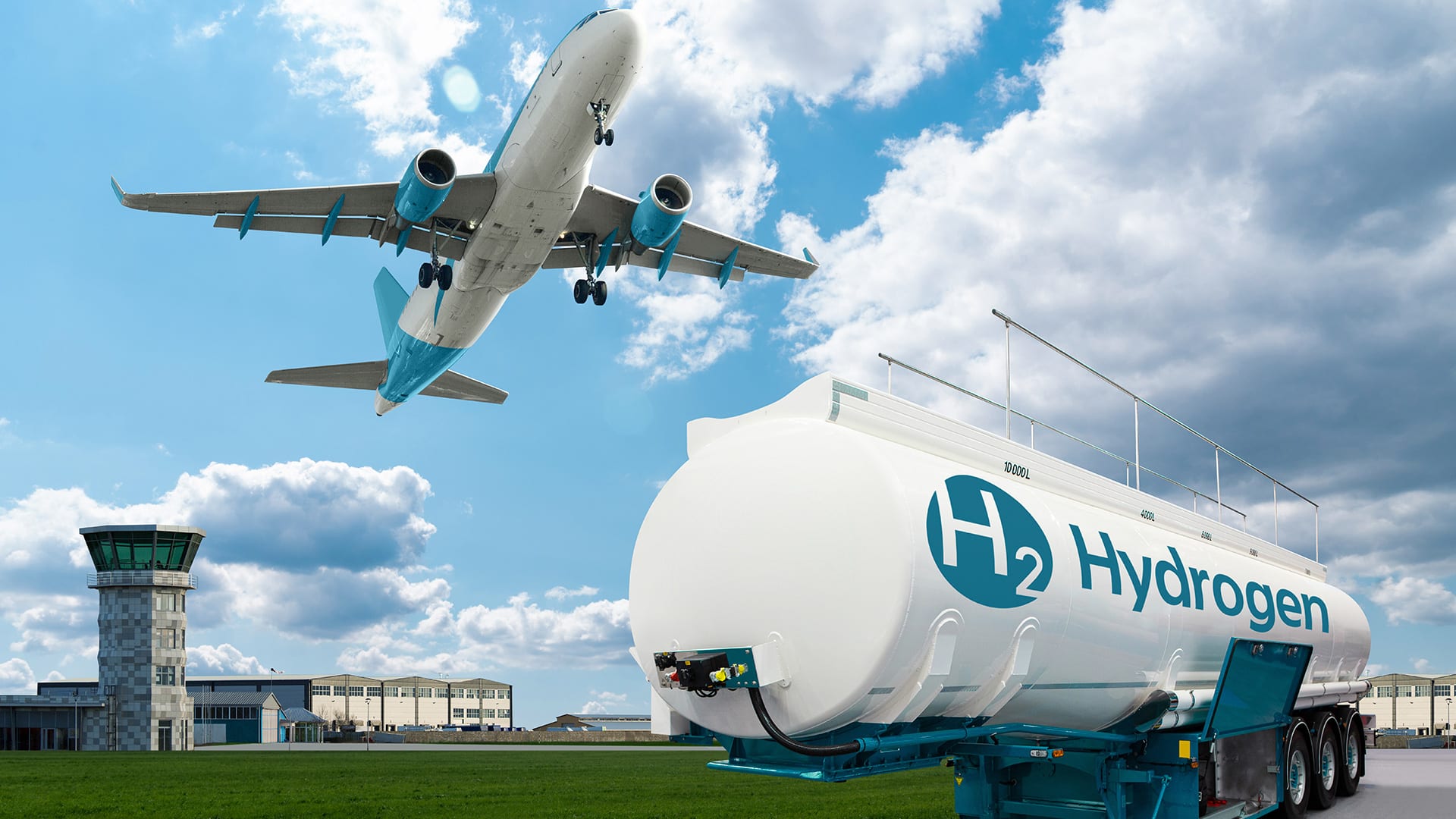
The Aerospace Technology Institute (ATI) has launched a new project to enhance hydrogen development capabilities for U.K.-based aerospace companies. Supported by the Department for Business & Trade (DBT), the 12-month study will develop the concept of a hydrogen capability network through to the point of launch.
In the initial Phase 0 of the project, the ATI will review how a Hydrogen Capability Network could support UK aerospace to adopt liquid hydrogen as a fuel source in three key areas: test infrastructure, supply and storage and skills. It will define an operating model for a group of open-access facilities designed to accelerate the development of liquid hydrogen (LH2) aircraft technologies and capabilities.
“This project is driving forward the decarbonisation of the aerospace sector by implementing the recommendations set out by the FlyZero project, creating a national network of assets that will secure the infrastructure, skills and capability that the UK needs to retain a competitive advantage in this global industry," said Harry Malins, Chief Innovation Officer at the Aerospace Technology Institute. “Through this project, we are accelerating collaboration and the development of critical enabling capabilities to address the UK’s gaps in hydrogen test, supply, storage and skills. Phase 0 will identify how a UK Hydrogen Capability Network will operate to give the UK a competitive edge in hydrogen-related aircraft technologies.”
The deliverables of Phase 0 include:
- Defined test infrastructure requirements for the UK aerospace sector
- Agreed supply of liquid hydrogen for UK aerospace test & research activities
- An LH2 academy to accelerate skills development and research
- Financial commitment to establish initial operating capability for the Hydrogen Capability Network.
In 2022, the ATI – through the FlyZero project, also funded by DBT – identified liquid hydrogen as having the greatest potential to power a new generation of zero-carbon emission aircraft. One of FlyZero’s recommendations was to address the UK’s limited hydrogen-related skills and testing capabilities through a centre of excellence that provides an anchor for UK industry.
As with FlyZero, Phase 0 of the project will be led by the ATI with secondees from industry and academia; there are also several roles that the ATI is recruiting for directly. The project is being funded by DBT with a grant of £1.29 million.
More From SAE Media Group

Aerospace & Defense Tech Briefs
SAE International Extends Call for Abstracts, Seeks Submissions for AeroTech Conference
Aerospace INSIDER
Why Hybrid-Electric is a Key Solution for Decarbonizing Aviation

Automotive Engineering
E-Fueling for the Future
Off-Highway Engineering
Smart Engineering for Sustainability
Tech Briefs
The Path to Net-Zero with Green Propane

Automotive Engineering
Fuels to Transition the Global Legacy Fleet
Off-Highway Engineering
Natural Gas Infrastructure Is Scaling Fast for HD Fleets
Tech Briefs
Hydrogen Fuel Cells Could Soon Power Seaports
Off-Highway Engineering
The Future of Carbon-Neutral Fuels for Heavy-Duty Machines
Off-Highway Engineering
Volvo CE Not Letting up on Electric
Tech Briefs
2025 Award Finalists
Aerospace INSIDER
Boeing Selects New Electric Power Generation System for B-52 Bomber
Aerospace & Defense Tech Briefs
Boeing Reports on Its Environmental Efforts
Aerospace Manufacturing and Machining INSIDER
Amprius Eyes Mass Production for Next Generation Electric Aircraft Battery
Green Design & Manufacturing
Funding Opportunity: Develop Advanced Biomass Supply Chain Technologies

Aerospace & Defense Tech Briefs
Industry Invited to Participate in AeroTech Aerospace and Defense Technical Program

Off-Highway Engineering
Schneider Continues Zero-Emission Goal at Nikola
Tech Briefs
Repurposing Mines for Underground Energy Storage

Tech Briefs
High-Power Direct Borohydride Fuel Cells
Automotive Engineering
Handicapping the ‘Race Toward Zero’

Aerospace & Defense Tech Briefs
Engineering an Aircraft Hydrogen Powertrain
Battery & Electrification Technology
GM Readies Fuel Cells for Commercial Deployment
Top Stories
NewsAutomotive
 Microvision Aquires Luminar, Plans Relationship Restoration, Multi-industry Push
INSIDERDesign
 A Next Generation Helmet System for Navy Pilots
INSIDERWeapons Systems
 New Raytheon and Lockheed Martin Agreements Expand Missile Defense Production
NewsPower
 Ford Announces 48-Volt Architecture for Future Electric Truck
INSIDERAerospace
 Active Strake System Cuts Cruise Drag, Boosts Flight Efficiency
ArticlesTransportation

Webcasts
Aerospace
 Cooling a New Generation of Aerospace and Defense Embedded...
Test & Measurement
 Battery Abuse Testing: Pushing to Failure
Internet of Things
 A FREE Two-Day Event Dedicated to Connected Mobility
Transportation
 Quiet, Please: NVH Improvement Opportunities in the Early Design Cycle
Electronics & Computers
 Advantages of Smart Power Distribution Unit Design for Automotive &...
Aerospace
 Sesame Solar's Nanogrid Tech Promises Major Gains in Drone Endurance