




Searching for V2V's Hidden Data
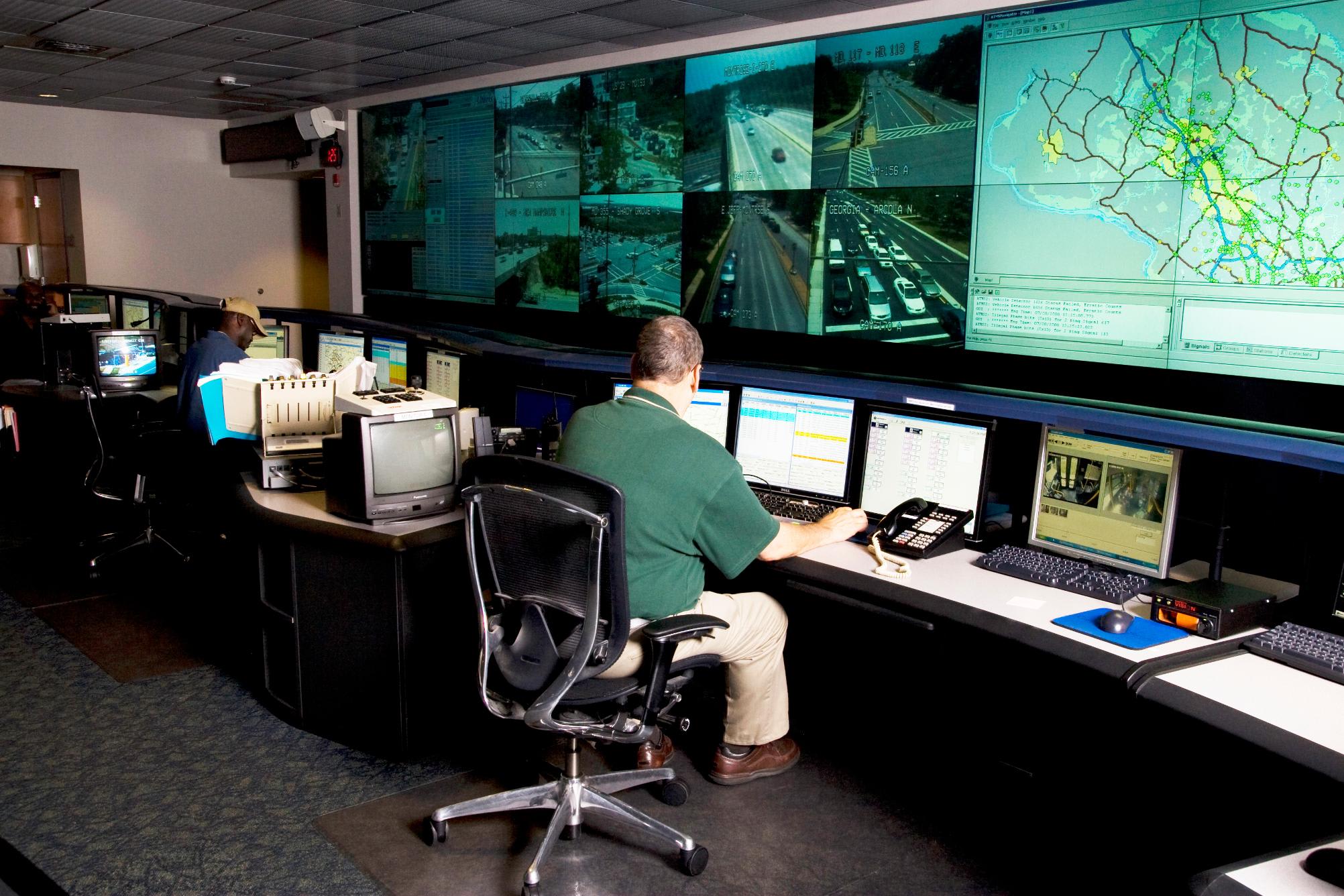
If vehicles eventually talk to each other and to infrastructure stations as expected, there’s going to be a ton of data about traffic and road conditions. Information technology and automotive companies feel that some of this information has a lot of potential value, though what exactly it’s good for remains uncertain.
It’s widely predicted that vehicle-to-vehicle/-infrastructure (V2X) technology will be required on all vehicles due to its significant role in improving safety. If that occurs, all vehicles will eventually transmit their speed, direction, and other information. These transmissions are mainly for safety, but the wealth of real-time information will undoubtedly be useful for something else.
“There’s real value in accumulating data at intersections and on the freeway,” said Hideki Hada of Toyota Motor Engineering & Manufacturing’s Integrated Vehicle Systems Dept. “You can collect billions of pieces of data for things like real-time traffic information. Somebody will make good money by aggregating data.”
However, cellular signals are already being used for real-time traffic information. That concept will undoubtedly improve vastly in the years it will take before a large percentage of vehicles have V2X transmitters. Still, IT companies are already exploring ideas that will help them justify building large systems that focus on transportation data. There may not be one killer application for data, but many minor usage models may exist.
“We’re making huge investments into connected cars as part of our cloud services strategy,” said Richard Nash, Solution Architect for Intelligent Transport at IBM. “We’re trying to string together different ideas to see where there are use cases in various domains. In some areas, they’ll be collecting enormous amounts of data. The trick is to sift through it to find the four or five items that have some business benefits.”
The big-data techniques used to analyze trends in consumer fields can be used to glean useful information from data sent by cars. If V2V does become a standard feature, there will be no shortage of data to analyze.
“Big data plays are all about finding the needle in the haystack,” said Joe Averkamp, Senior Director, Technology, Policy & Strategy, at Xerox. “A lot of the data is just not interesting. You quickly get up to petabytes and start talking about exabytes.”
More From SAE Media Group
Automotive Engineering
Big Data Issues, Security Challenges May Slow Connected Car Info Usage
Automotive Engineering
Connected Vehicles, Cloud Services Bring Big Data Issues to Vehicles
Automotive Engineering
WCX17: IAV and HPE Showcase Connectivity Via Demo Car
Aerospace & Defense Tech Briefs
GE Aviation, Teradata Partner on Data Analytics, Edge Connectivity for Airlines
Automotive Engineering
Insurers Look to Partner with OEMs, App Providers to Meet Connected-Car Challenges
Automotive Engineering
WCX17: Vehicle Connectivity Brings Privacy, Redundancy Issues
Automotive Engineering
Securing the Software-Defined Vehicle
Automotive Engineering
Connected Cars Unleash Supply Chain Change
Automotive Engineering
Autos Gain Spotlight as Telecoms Gear up for 5G
Automotive Engineering
V2X Communications Face Many Challenges Before Deployment
Automotive Engineering
Can Ads Help in Vehicle-To-Vehicle Rollout?
Automotive Engineering
All U.S. Toyotas to Be ‘Connected’ by 2020
Off-Highway Engineering
Big Data’s Benefits Keep A-Comin’
Automotive Engineering
Assuring Data Integrity: Vital for Connected-Vehicle Markets
Off-Highway Engineering
Mahindra Connects Vehicles Via Cloud-Based Technology Platform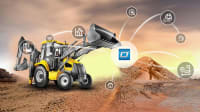
Automotive Engineering
Xerox Eyes DSRC for Vehicle Infrastructure Support
Automotive Engineering
Denso Shows Readiness for V2X and Smart City
Automotive Engineering
Harman Advanced Concept Brings Intuitive HMI to Automated Driving
Automotive Engineering
Chinese Automakers Focus on 'Internet Mind-Set'
Automotive Engineering
Broader Data Sharing for Connected Transportation Will Require Widespread Collaboration
Automotive Engineering
Personalization, Autonomy Create Many Challenges for Engineers
Off-Highway Engineering
Commercial Vehicles to Become the Ultimate ‘Sensor’
Off-Highway Engineering
Leveraging Connectivity to Drive Business
Aerospace & Defense Tech Briefs
Korea Airports Corp. Adopts Altibase Data Management with IoT for Airport Traffic Control
Automotive Engineering
Systems Send Digital Telematics Information to Emergency Dispatchers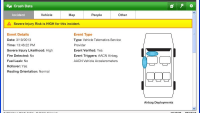
Automotive Engineering
Road Rules, a San Francisco Start-Up, Explores World of Car APIs
Off-Highway Engineering
Enhanced Traceability for Asset Management
Automotive Engineering
Cybersecurity Gets Input from Students, Others
Automotive Engineering
Dassault Systèmes and AKKA Partner on Driverless-Vehicle Technology (Video)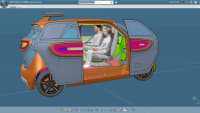
Off-Highway Engineering
Connected-Vehicle Technology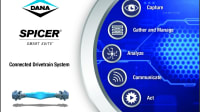
Top Stories
NewsSensors/Data Acquisition
 Microvision Aquires Luminar, Plans Relationship Restoration, Multi-industry Push
INSIDERRF & Microwave Electronics
 A Next Generation Helmet System for Navy Pilots
INSIDERWeapons Systems
 New Raytheon and Lockheed Martin Agreements Expand Missile Defense Production
NewsAutomotive
 Ford Announces 48-Volt Architecture for Future Electric Truck
INSIDERAerospace
 Active Strake System Cuts Cruise Drag, Boosts Flight Efficiency
ArticlesTransportation

Webcasts
Aerospace
 Cooling a New Generation of Aerospace and Defense Embedded...
Energy
 Battery Abuse Testing: Pushing to Failure
Power
 A FREE Two-Day Event Dedicated to Connected Mobility
Automotive
 Quiet, Please: NVH Improvement Opportunities in the Early Design Cycle
Electronics & Computers
 Advantages of Smart Power Distribution Unit Design for Automotive &...
Unmanned Systems
 Sesame Solar's Nanogrid Tech Promises Major Gains in Drone Endurance