




Sikorsky to Provide an ALIAS to DARPA
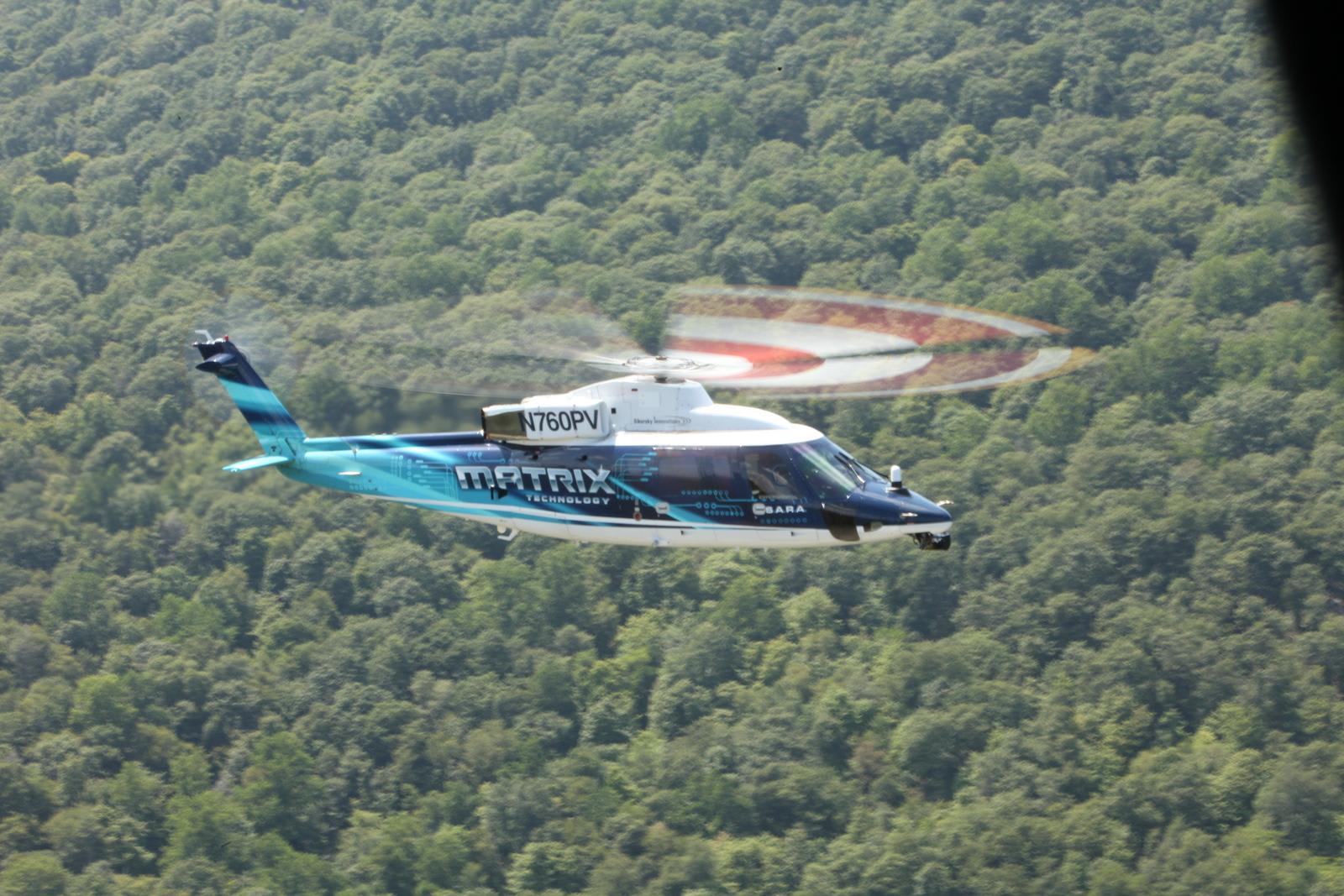
DARPA’s Aircrew Labor In-Cockpit Automation System (ALIAS) program seeks to leverage the industry-wide advances that have been made in aircraft automation systems, including progress made in remotely piloted aircraft, to help reduce pilot workload, augment mission performance, and improve aircraft safety.
Under contract for Phase 1 of the program, Sikorsky Aircraft’s approach to ALIAS will be based on its Matrix Technology that it introduced in 2013. The gist of that technology was to develop, test, and field systems and software that would improve the capability, reliability, and safety of flight for autonomous, optionally piloted, and piloted VTOL (vertical takeoff and landing) aircraft. Matrix, like ALIAS, is geared toward providing rotary and fixed-wing aircraft the system intelligence needed to complete complex missions with minimal human oversight. ALIAS in particular entails the developing and placing new automation technology into existing aircraft to enable operation with a reduced onboard crew.
Sikorsky Innovations—the rapid prototyping arm of Sikorsky Aircraft—along with the United Technologies Research Center, the National Robotics Engineering Center, and Veloxiti, Inc., plan to demonstrate the value of applying autonomous technology across different aircraft consistent with the needs of the ALIAS program, including the Black Hawk helicopter and other aircraft in the Department of Defense fleet. The Sikorsky team for the Phase 1 effort plans to collaborate with DARPA’s ALIAS team on ground tests using a Black Hawk. .
“The potential ability to rapidly reconfigure Black Hawk helicopters to enable them to be flown by fewer crew or crew of different skill levels is very exciting,” said Mark Miller, Vice President of Research & Engineering. “It will be very interesting to apply this technology. We believe it could be a real game changer for both military and commercial customers.”
In launching its original autonomy program in 2013, Sikorsky outfitted an S-76 commercial helicopter with fly-by-wire controls and the Matrix Technology suite, creating the Sikorsky Autonomy Research Aircraft (SARA) as its flying test lab. SARA enables rapid flight testing of software and hardware, including multi-spectral sensors that have been previously integrated in the systems integration labs at Sikorsky’s headquarters.
Last year, in collaboration with the U.S. Army, Sikorsky completed the Manned Unmanned Resupply Aerial Lifter (MURAL) program, in which a Black Hawk helicopter was modified for autonomous and remotely supervised control. Igor Cherepinsky, Sikorsky’s Chief Engineer of Autonomy, views the ALIAS program as another step toward advancing and validating the company’s approach to bringing higher levels of automation to flight.
More From SAE Media Group
Aerospace & Defense Tech Briefs
Sikorsky’s Autonomous Black Hawk Helicopter Takes Flight
Aerospace & Defense Tech Briefs
Martin UAV VTOL Unmanned Aircraft Taps Persistent Systems Wave Relay Data Link Technology
Aerospace & Defense Tech Briefs
Collaborative Research Project Leads to Potentially Swarming VTOL UAVs
Aerospace & Defense Tech Briefs
Aurora Proves Unmanned UH-1H Capabilities for Marines, Continues Orion UAS Work for USAF
Aerospace & Defense Tech Briefs
Autonomous Black Hawk Helicopter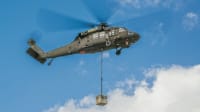
Aerospace & Defense Tech Briefs
Vertical Flight Society Applauds EVTOL Innovation, Bell Nexus UAM Concept
Aerospace & Defense Tech Briefs
Sikorsky-Boeing’s FVL Contender Takes Flight
Aerospace & Defense Tech Briefs
DARPA Works Toward Unmanning Aircraft
Aerospace & Defense Tech Briefs
Explainable-AI Image Recognition Is the Next Step for U.S. Air Force Unmanned Aircraft
Aerospace & Defense Tech Briefs
Vertical Aerospace Is Honeywell’s Latest Partner in the UAM Industry
Aerospace & Defense Tech Briefs
Lockheed Martin’s Next-Gen, 360-Degree Vision System Flies on the Bell V-280 Valor
Aerospace & Defense Tech Briefs
General Atomics Moves Toward Global RPA Flight Certification for MQ-9B SkyGuardian
Aerospace & Defense Tech Briefs
Disruptive Flight Control Technology on Trial
Aerospace & Defense Tech Briefs
Collins Aerospace Taps Wind River Helix Virtualization Platform to Future-Proof Avionics
Off-Highway Engineering
Autonomous Vehicles Demonstrate Ground-Air Cooperation
Aerospace & Defense Tech Briefs
Personal Air Transport Drives Need for Advanced VTOL Technologies, Standards
Aerospace & Defense Tech Briefs
Boeing Aerospace & Autonomy Center to Focus on Designing, Building, Flying Autonomous Aircraft
Aerospace & Defense Tech Briefs
Textron Systems, Textron Aviation Defense Demonstrate Simulated Manned-Unmanned Teaming Capability
Aerospace INSIDER
Autonomous Black Hawk® Flies Missions Without Pilots on Board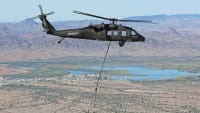
Aerospace INSIDER
BAE Systems Acquires Developer of Electric Heavy Lift Quadcopters
Aerospace & Defense Tech Briefs
Air Force Tests Fully Autonomous UAS Control System
Aerospace & Defense Tech Briefs
Aitech Defense Will Provide Data Interface Technology for Boeing’s Unmanned MQ-25 Refueling Platform
Aerospace & Defense Tech Briefs
Vertical Takeoff and Landing Drone
Defense INSIDER
Sikorsky Converts Black Hawk into U-Hawk Autonomous Helicopter
Aerospace & Defense Tech Briefs
Air Mobility Innovations Take Center Stage at Aerospace Systems and Technology Conference
Aerospace & Defense Tech Briefs
Phase Three of DARPA’s ALIAS Aircraft Automation System Continues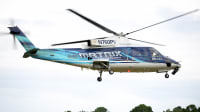
Aerospace & Defense Tech Briefs
Rolls-Royce to Work with Airframe Manufacturers, Seek Partners for EVTOL Project
Aerospace & Defense Tech Briefs
AeroMobil Debuts Special Edition Sky Dragon Personal Transport Aircraft Targeted at Fast-Growing Market in China
Aerospace & Defense Tech Briefs
Sikorsky, NREC Partner for Matrix Application to Demonstrate U.S. Army Autonomous UGV Delivery
Aerospace & Defense Tech Briefs
Artificial Intelligence Could Reduce CV-22 Osprey Maintenance
Top Stories
NewsAutomotive
 Microvision Aquires Luminar, Plans Relationship Restoration, Multi-industry Push
INSIDERManned Systems
 A Next Generation Helmet System for Navy Pilots
INSIDERManufacturing & Prototyping
 New Raytheon and Lockheed Martin Agreements Expand Missile Defense Production
NewsAutomotive
 Ford Announces 48-Volt Architecture for Future Electric Truck
INSIDERAerospace
 Active Strake System Cuts Cruise Drag, Boosts Flight Efficiency
ArticlesAR/AI

Webcasts
Electronics & Computers
 Cooling a New Generation of Aerospace and Defense Embedded...
Power
 Battery Abuse Testing: Pushing to Failure
Communications
 A FREE Two-Day Event Dedicated to Connected Mobility
Transportation
 Quiet, Please: NVH Improvement Opportunities in the Early Design Cycle
Transportation
 Advantages of Smart Power Distribution Unit Design for Automotive &...
Unmanned Systems
 Sesame Solar's Nanogrid Tech Promises Major Gains in Drone Endurance