




Plans May Grow Enough to Transform Fuels
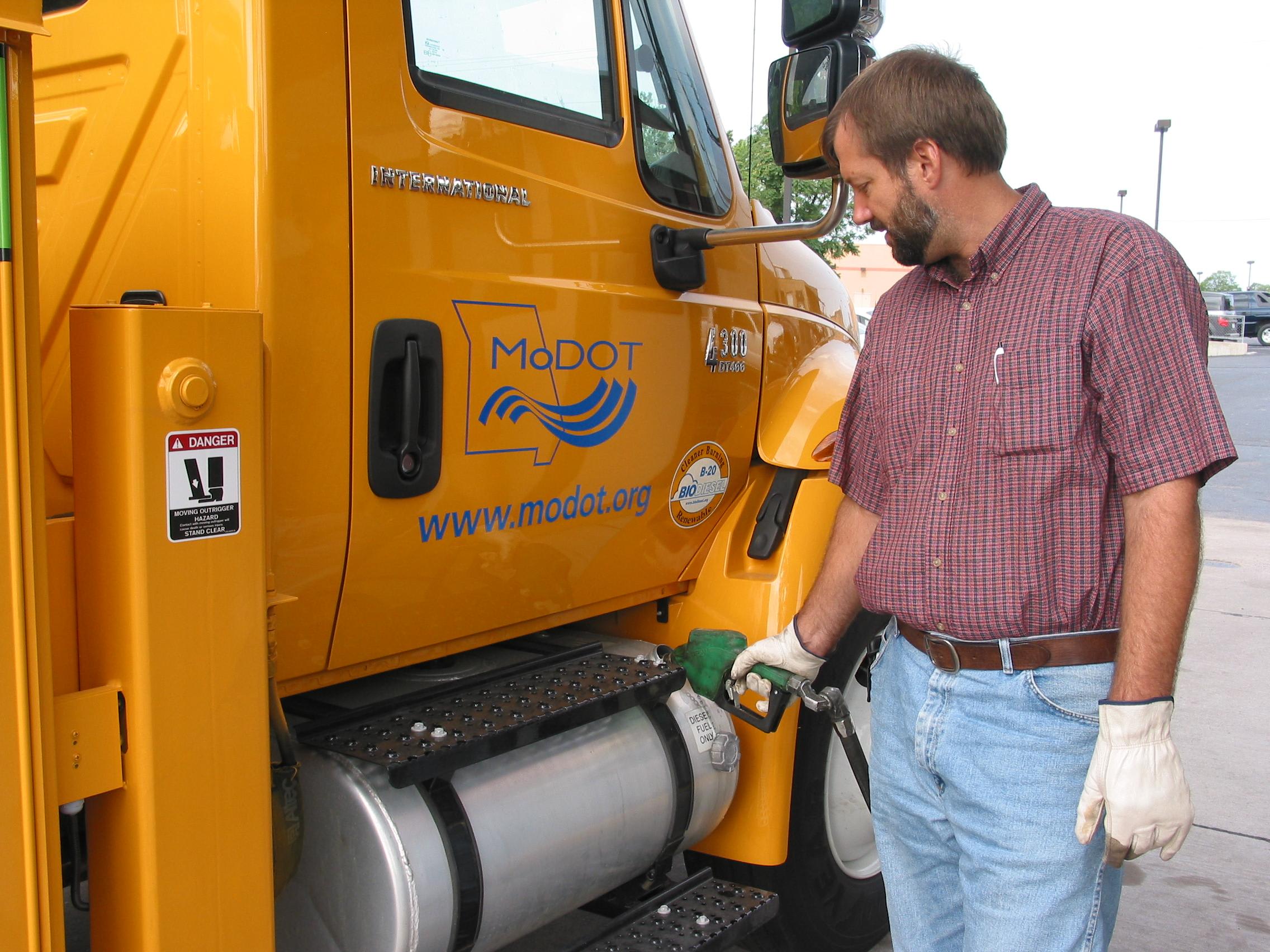
Fuel for combustion engines has not transformed significantly over the past 100 years, but things may change. Biofuel research continues to advance as off-highway engineers develop new techniques that will let engines run on varying mixtures.

There’s plenty of activity in biofuels, though they trail natural gas in the race to make the leap from alternative energy source to mainstream fuel. U.S. refiners produced around 1.7 billion gallons (6.4 billion L) of biodiesel fuel last year, according to the U.S. EPA. Engine developers throughout the supply chain are working on techniques that let operators run with any mix of fuels on any engine model.
“The adoption of alternative fuels is a calibration issue,” said Bapi Surampudi, Principal Engineer for Engine, Emissions, and Vehicle Research at the Southwest Research Institute. “To minimize cost, the goal has always been to re-use the same electronics in multiple platforms. Therefore, one challenge is to design a common electronic architecture (hardware and software) that works in all cases.”
Researchers are exploring different techniques to efficiently determine the makeup of fuel being used. One strategy is to add sensors that measure fuel in the tank, while another leverages combustion control systems to monitor fuel as it’s fed to the engine.
“For self-propelled vehicles, the detection could be a tank-based analysis and a ‘retune’ or correction method every time the tank is filled,” said Chris Mays, Senior Technical Specialist at BorgWarner’s Advance Engineering Group. “The sensing method could also be continuous. In this case, OEMs need to determine whether to measure the fuel or the combustion. Measuring the combustion, either directly or indirectly, provides the greatest payback as it accounts for engine component and system variation as well as fuel variation.”
The rapid advance in computing power is helping engineer and programmers analyze fuels efficiently.
“Higher performance electronic control units enable a more precise control of the combustion process and reduced penalty efficiency of the alternative fuel engine,” said Ali Maleki, Business Unit Director for Hybrid and Electrical Systems, Ricardo. “New electronic technologies are embedded for better emissions control, gas recirculation control, precise fuel delivery. There is significant trend for alternative fuels in the stationary, railway, and truck applications that are more operating-cost sensitive.”
As control systems evolve and more biofuels move into production, engineers are continuously striving to eke more work from every drop of fuel.
“Engine manufacturers must become knowledgeable of the potential and the drawbacks of different biofuels and gain experience through faster and more sophisticated testing,” Surampudi said.
Much of that knowledge will be gained through modeling and simulation. Combustion is very complex, with major differences arising from minor changes, so many tests must be run to improve efficiency.
“Getting good signals at the sensors is one aspect to consider,” Mays said. “Simulating sensor responses in the design phase can help give good signal-to-noise response. This can include analysis of sensors in the gas flow stream to make sure they are sensing well-mixed gases and are robust to condensate, for example.”
More From SAE Media Group
Off-Highway Engineering
Combustion Engines Carry on in Construction

Off-Highway Engineering
Engine Developers Increase Efforts to Decrease Fuel Usage
Automotive Engineering
The International Fight over EFuels, Internal Combustion’s Would-Be Savior
Off-Highway Engineering
EVs Are Coming, but Challenges, Alternative Fuels Will Slow Turnover
Automotive Engineering
SwRI Launches Two Powertain-Related Consortia
Tech Briefs
Making Hydrogen Power a Practical Proposition
Off-Highway Engineering
Deutz Takes Open Approach to Propulsion
Off-Highway Engineering
Deere Bullish on Biodiesel, Renewable Diesel
Off-Highway Engineering
Developing Next-Gen Diesels to Last Decades
Off-Highway Engineering
Designs on a Diverse Powertrain Future
Off-Highway Engineering
Off-Highway Engines: Challenges and Competitive Innovations for Sustainable, Long-Term Growth
Automotive Engineering
Driving Electrified Powertrain Systems Design
Off-Highway Engineering
JCB Debuts Clean-Sheet Hydrogen Combustion Engine
Off-Highway Engineering
Mahle, Liebherr Develop Active Pre-Chamber for Hydrogen ICE
Automotive Engineering
Extending a Wankel Future on Hydrogen Fuel
Power Electronics INSIDER
An Electrifying Collaboration: From the Lab to the Marketplace

Automotive Engineering
EVs Pressure Supplier Value-add
Off-Highway Engineering
Isuzu Simplifies Fuel Changeovers
Aerospace & Defense Tech Briefs
SAE International Issues, Revises Technical Reports for Aerospace Engineering
Automotive Engineering
U.K. Universities Lead R&D for Low-Cost Catalysts, Low-CO2 Combustion
Automotive Engineering
Bosch Debuts New CV-Specific Electric Motor and Inverter
Off-Highway Engineering
Danfoss Targets Excavators with New Digital-Hydraulics System
Off-Highway Engineering
Thermal Challenges of Electric Commercial Vehicles
Automotive Engineering
ZF Introduces Complete E-Drive System for Passenger, Commercial Vehicles
Automotive Engineering
Innovating the Methanol Fuel Cell
Aerospace & Defense Tech Briefs
Industry Invited to Participate in AeroTech Aerospace and Defense Technical Program
Tech Briefs
2025 Award Finalists
Automotive Engineering
Answering the Fuel-cell Compressor Question
Top Stories
INSIDERManufacturing & Prototyping
 How Airbus is Using w-DED to 3D Print Larger Titanium Airplane Parts
INSIDERManned Systems
 FAA to Replace Aging Network of Ground-Based Radars
NewsTransportation
 CES 2026: Bosch is Ready to Bring AI to Your (Likely ICE-powered) Vehicle
NewsSoftware
 Accelerating Down the Road to Autonomy
EditorialDesign
 DarkSky One Wants to Make the World a Darker Place
INSIDERMaterials
 Can This Self-Healing Composite Make Airplane and Spacecraft Components Last...
Webcasts
Defense
 How Sift's Unified Observability Platform Accelerates Drone Innovation
Automotive
 E/E Architecture Redefined: Building Smarter, Safer, and Scalable...
Power
 Hydrogen Engines Are Heating Up for Heavy Duty
Electronics & Computers
 Advantages of Smart Power Distribution Unit Design for Automotive...
Unmanned Systems
 Quiet, Please: NVH Improvement Opportunities in the Early Design...
