




Diesel and Electrified Vehicles from German OEMs Enjoying Increased Popularity in U.S.
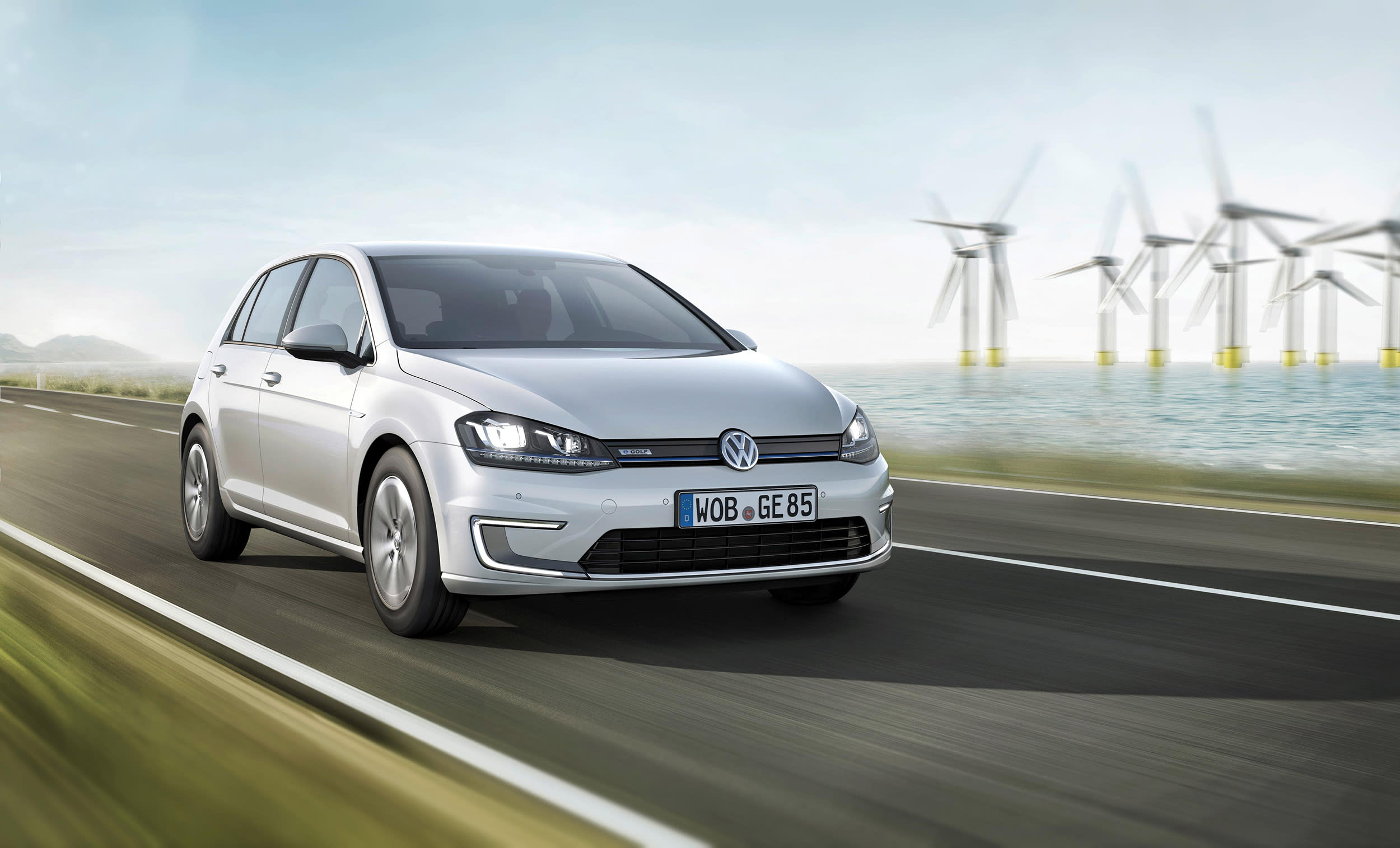
The product portfolios of German automakers include clean diesel and hybrid-electric vehicles, and these advanced powertrains are gaining traction in the U.S. market.
“In accordance with our broad-based strategy, we are not putting all our eggs in one basket,” Matthias Wissmann, President of the VDA (Germany’s auto industry association), said Jan. 13 at the 2014 North American International Auto Show (NAIAS) in Detroit. "Instead, we are actively pursuing all the options. And one of them is the clean diesel."
Even though U.S. market share of clean diesel light-duty vehicles is a fraction of the near 50% share seen in some Western European countries, diesel vehicle sales are climbing in the U.S.
“Sales of diesel vehicles in the U.S. in 2013 from January to October rose by nearly 13 percent, thus growing much faster than the overall market, which speaks in favor of this highly efficient drivetrain,” Wissmann said. The diesel share of the U.S. light-duty market has continued on an uptick since 2009, reaching 2.8% of the overall U.S. passenger vehicle market in 2013.
Paul Ferraiolo, Manager of Product Planning and Strategy for BMW North America, said in an Automotive Engineering interview that the appeal of diesel is threefold: fuel economy, torque, and driving range. “Diesels are extremely important for success in Europe, and I’m happy that we can bring some of the best diesels in the world to the U.S.," he said. "Right now we have six different diesel models, and we’re getting ready in the near future to launch two more.”
The diesel list in the U.S. also includes offerings from Audi, Mercedes-Benz, Porsche, and Volkswagen, as well as non-German offerings—namely, the Chevrolet Cruze and the Mazda Mazda6.
German automakers' hybrid-electric vehicles also have been catching the eyes of U.S. buyers. Said Wissmann: “Last year the German manufacturers quadrupled their U.S. sales of hybrid cars, from nearly 1900 vehicles to just under 7600. We see considerable market potential here because not only is the market growing, so is the portfolio.”
The U.S. market’s hybrid-electric offerings from German automakers include the Audi Q5, the BMW 3, 5, and 7 Series, the Mercedes E and S-Class, the Porsche Panamera and Cayenne, and the Volkswagen Jetta and Touareg.
Hybrid-electric technology, said BMW's Ferraiolo, is still in its infancy: “The volumes are low. But when the new versions come out, we expect to see that business grow because the customer benefits are increasing and the customer penalty for having BMW ActiveHybrid is diminishing.”
Plug-in hybrids and all-electric vehicles are also on the radar. In 2014, BMW will offer the i8 plug-in. The MY2014 Panamera S E-Hybrid is Porsche’s first plug-in, and its next plug-in hybrid is the MY2015 918 Spyder with a starting price of $845,000. All-electric vehicles from the German automakers include the recently launched MY2014 Smart electric drive; the Mercedes-Benz B-Class Electric Drive, available in June 2014; the BMW i3, available in the second quarter of 2014, and VW’s e-Golf, which goes on sale in select states fourth quarter 2014.
More From SAE Media Group
Battery & Electrification Technology
Putting a New ‘Charge’ in EV Recharging
Automotive Engineering
Making over the World’s Leading Hybrid
Autonomous Vehicle Engineering
Volvo Leads the Shift to ‘Driver Understanding’
Automotive Engineering
Volvo’s Electric High-Wire Act
Automotive Engineering
Diesel Market Steady Despite VW Issues, Industry Group Says
Tech Briefs
Test Your Knowledge About EV Motors
Automotive Engineering
The Bi-Directional Bonus for EVs
Off-Highway Engineering
Cummins and Isuzu Announce Battery-electric Truck Collaboration
Automotive Engineering
GM’s Barra: Electric Vehicles Are Still the Future

Automotive Engineering
ICE and Hybrid-Electric Propulsion Show Staying Power
Tech Briefs
Hyliion Trucks Onward
Automotive Engineering
GM Fuel Cell Powers U.S. Navy Sub as Collaboration with Honda Aims for Cars by 2020
Automotive Engineering
BMW I3 Battery Replacement Is $16,000

Tech Briefs
A Polyphase Wireless Power Transfer System

Automotive Engineering
Faraday Future Unveils Exotic “Testbed” for New Range of EVs
Automotive Engineering
Ford Pumps $4.5B into Electrifying 40% of Its Global Product Line by 2020
Automotive Engineering
Preparing for the New, Faster EV Product Cadence
Automotive Engineering
Innovative ‘Afreecar’ Wins SAE’s 2021 Create the Future Design Award
NASA Spinoff
Scaling Up Hydrogen
Automotive Engineering
GM Pushes for Industry Standards as It Readies More EVs, AVs
Automotive Engineering
Toyota Targets 2015 for First Fuel-Cell Car
Battery & Electrification Technology
Ultracapacitor Solutions to Address Energy-Storage Needs of Vehicles
Automotive Engineering
AVL Transmission Aims at Best-In-Class PHEV Performance
Automotive Engineering
Toyota Announces Access to Fuel-Cell Patents at CES
Automotive Engineering
Toyota Motorsport Pursues Le Mans Prize with 1000-PS All-Wheel-Drive Hybrid
Automotive Engineering
Diesel Turns up the Volume in the U.S.
Top Stories
NewsSensors/Data Acquisition
 Microvision Aquires Luminar, Plans Relationship Restoration, Multi-industry Push
INSIDERRF & Microwave Electronics
 A Next Generation Helmet System for Navy Pilots
INSIDERWeapons Systems
 New Raytheon and Lockheed Martin Agreements Expand Missile Defense Production
NewsAutomotive
 Ford Announces 48-Volt Architecture for Future Electric Truck
INSIDERAerospace
 Active Strake System Cuts Cruise Drag, Boosts Flight Efficiency
ArticlesTransportation

Webcasts
Aerospace
 Cooling a New Generation of Aerospace and Defense Embedded...
Energy
 Battery Abuse Testing: Pushing to Failure
Power
 A FREE Two-Day Event Dedicated to Connected Mobility
Automotive
 Quiet, Please: NVH Improvement Opportunities in the Early Design Cycle
Electronics & Computers
 Advantages of Smart Power Distribution Unit Design for Automotive &...
Unmanned Systems
 Sesame Solar's Nanogrid Tech Promises Major Gains in Drone Endurance