




Getting Aftertreatment on the Network
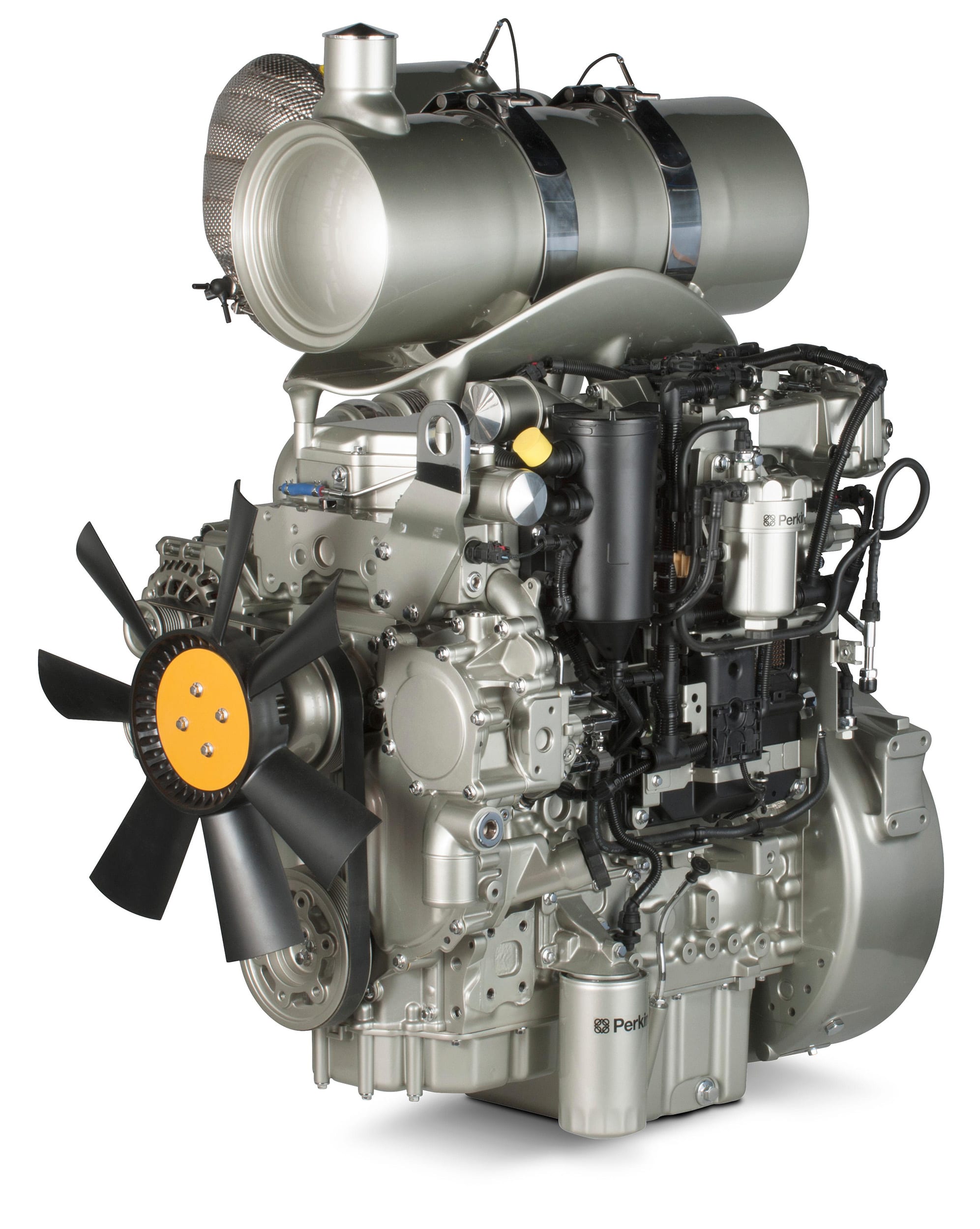
For many design teams, tighter emissions regulations have expanded the definition of a powertrain. Aftertreatment systems are now a critical factor that impacts engine operations. Design teams must include treatment technologies as they optimize powertrain parameters.
“The aftertreatment system, engine, and transmission need to be optimized as a complete system instead of individual elements,” said Chris Mays, Senior Technical Specialist at BorgWarner’s Advance Engineering Group.
“For example, getting the SCR aftertreatment to its operating temperature quickly means that the engine can move to more efficient operation sooner. The engine needs to interact with fuel injection, throttles, and variable valve train components as well as the transmission to enable a rapid warm-up. This is a system decision to sacrifice lower engine efficiency for a short time to achieve a net overall system benefit for the full operation cycle.”
When all these systems share information continuously, there’s a lot of data traveling over networks. Getting the right data to each node at the right time is a challenging task. If the combined systems and networking links aren’t considered as elements of a larger system, problems can arise.
“Another challenge associated with communication between the engine and transmission is obtaining accurate load information at very light loads,” said Michael Pipho, technical lead at John Deere Power Systems. “Aftertreatment technologies also increase the amount of data on the network structure due to additional control requirements and the need to communicate aftertreatment information to operator interfaces. The increased sharing of data among systems can result in high network loading and cause some data latency issues.”
Most developers are using a number of networks linked together using gateways. That provides the necessary bandwidth without adding a lot of complexity.
“As the engine sub-systems develop, particularly those related to aftertreatment, it is necessary to use multiple networks separating machine and application data from sub-system monitoring,” said Mike Cullen, Perkins’ Product Marketing Specialist. “One example is NOx sensors, which run on a different network to that of the machine. As the number of variables increase, the limitations of a network become apparent. To maintain a responsive system and avoid latency issues it is sometimes necessary to rethink the network architecture of a machine.”
More From SAE Media Group
Off-Highway Engineering
Bigger Processors, Smaller Engines
Off-Highway Engineering
Leveraging Connectivity to Drive Business
Automotive Engineering
Shifting to an E-Mobility Product Portfolio
Off-Highway Engineering
Engine Developers Increase Efforts to Decrease Fuel Usage
Off-Highway Engineering
Intelligence and Integration Will Drive Mobile Technology Forward
Automotive Engineering
Powertrain Sensors Add Functions, Help Reduce Wiring
Off-Highway Engineering
Bosch Rexroth Leverages Automotive Experience for Construction Equipment
Automotive Engineering
Rolls-Royce Sees a Future in Connected Engines
Off-Highway Engineering
Moving Hydraulics Forward with Smarter Machinery
Off-Highway Engineering
Komatsu Doubles down on Intelligent Machine Control
Automotive Engineering
Delphi and Tula Show NVH Benefits from Dynamic Skip Fire
Off-Highway Engineering
Engine Ion Sensor
Automotive Engineering
WCX17: IAV and HPE Showcase Connectivity Via Demo Car
Automotive Engineering
Automotive-Grade Magnetic Position Sensors
Off-Highway Engineering
Connected-Vehicle Technology
Automotive Manufacturing and Machining
Manufacturing Systems Get Smart, Self Heal
Aerospace & Defense Tech Briefs
SAE International Issues, Revises Technical Reports for Aerospace Engineering
Aerospace & Defense Tech Briefs
GE Aviation, Teradata Partner on Data Analytics, Edge Connectivity for Airlines
Off-Highway Engineering
Unmanned Equipment Presents New Design Challenges
Off-Highway Engineering
‘Smart’ Oil Cap Brings Low-Cost Connectivity to Perkins Engines
Off-Highway Engineering
Smart Sensors Drive Automated Systems in Off-Highway
Automotive Engineering
BorgWarner Prepares Manual Gearchange for ADAS Vehicles
Aerospace & Defense Tech Briefs
Sensuron Enables Real-Time Structural Health Monitoring Onboard NASA’s X-56 UAV
Automotive Engineering
Positioning for Hybrid Growth
Aerospace & Defense Tech Briefs
New University-Led Air Force Center of Excellence Focuses on Securing Autonomous Systems Operating in Contested Environments
Off-Highway Engineering
Driving Business Value On-Highway and off with IoT
Off-Highway Engineering
BLDC Actuators
Off-Highway Engineering
Chipping away at Power Module Temperatures
Automotive Engineering
Data Processing System for Acoustics and Vibration
Aerospace & Defense Tech Briefs
SAE International Extends Call for Abstracts, Seeks Submissions for AeroTech Conference
Top Stories
INSIDERManufacturing & Prototyping
 How Airbus is Using w-DED to 3D Print Larger Titanium Airplane Parts
INSIDERManned Systems
 FAA to Replace Aging Network of Ground-Based Radars
NewsTransportation
 CES 2026: Bosch is Ready to Bring AI to Your (Likely ICE-powered) Vehicle
NewsSoftware
 Accelerating Down the Road to Autonomy
EditorialDesign
 DarkSky One Wants to Make the World a Darker Place
INSIDERMaterials
 Can This Self-Healing Composite Make Airplane and Spacecraft Components Last...
Webcasts
Defense
 How Sift's Unified Observability Platform Accelerates Drone Innovation
Automotive
 E/E Architecture Redefined: Building Smarter, Safer, and Scalable...
Power
 Hydrogen Engines Are Heating Up for Heavy Duty
Electronics & Computers
 Advantages of Smart Power Distribution Unit Design for Automotive...
Unmanned Systems
 Quiet, Please: NVH Improvement Opportunities in the Early Design...
