




Autonomy Architecture Prevents Aviation Accidents
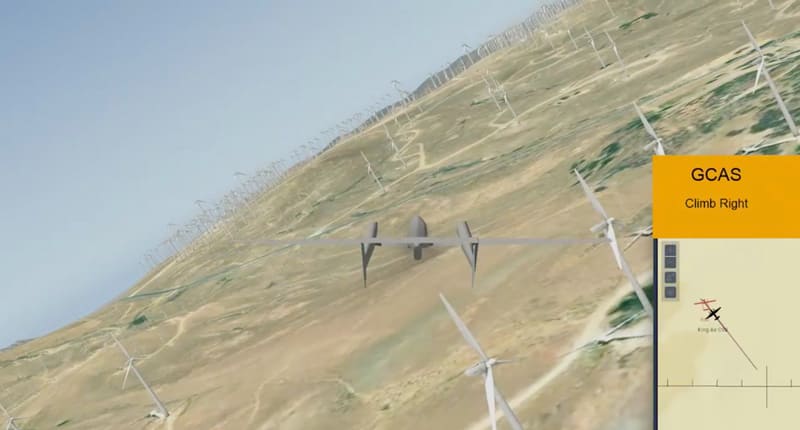
There have been approximately 1,200 to 1,300 general aviation accidents per year since 2013, which is down from the years before. While the improvement is good, NASA is working to decrease the number of aircraft crashes even more. NASA, the FAA, and the Department of Defense developed the Expandable Variable Autonomy Architecture that can help prevent accidents in general aviation aircraft and future autonomous aircraft.
The Expandable Variable Autonomy Architecture is based on an earlier NASA-developed technology that performs a similar function for military aircraft. EVAA includes functions to prevent smaller airplanes from diving into a canyon, into the side of a mountain, or into the ground by avoiding obstacles and guiding the plane to a safe landing area. An element in the software, called the Moral Compass, helps decide which moves to make by switching control to the highest priority task based on weighing the odds of safety.
More From SAE Media Group
Aerospace INSIDER
Reliable Robotics to Provide Aircraft Automation Study for US Air Force
Aerospace INSIDER
Air Traffic Management Tool Wins NASA Software of the Year

Aerospace INSIDER
NASA Brings Air Mobility Vision to Stratospheric Heights
Tech Briefs
Preventing Gridlock on the Ground
NASA Spinoff
‘Digital Winglets’ for Real-Time Flight Paths
Tech Briefs
Weaving Data Fabric with AI
Aerospace INSIDER
NASA System Would Enable Unmanned Aircraft to Fly in US Airspace
Aerospace INSIDER
NASA Software Sets Stage for Future Flights
NASA Spinoff
Flying in the Fast Lane with Air Traffic Software

NASA Spinoff
A Better Backup Plan for the Unthinkable
Tech Briefs
‘Digital Winglets’ for Real-Time Flight Paths


Aerospace INSIDER
Helsing Unveils New Autonomous Fighter Jet 'CA-1 Europa'


Aerospace INSIDER
Drone Traffic Management System Wins NASA Invention of the Year
NASA Spinoff
Swarming Technology Lets Drones Work as a Team
Aerospace INSIDER
Aircraft Arrival Technology Will Reduce Flight Delays

Aerospace INSIDER
MQ-1C Completes First Air-Launched Effect Flight Demonstration

Aerospace INSIDER
Helsing AI Agent Completes Saab Gripen E Test Flight
Tech Briefs
Advisory Systems Save Time and Fuel for Airlines
Aerospace INSIDER
New Displays Could Lower Risk of Small Aircraft Midair Collisions
Software Tech Briefs
2D/3D Synthetic Vision Navigation Display
Top Stories
INSIDERManned Systems
 How Airbus is Using w-DED to 3D Print Larger Titanium Airplane Parts
INSIDERAerospace
 FAA to Replace Aging Network of Ground-Based Radars
NewsUnmanned Systems
 Microvision Aquires Luminar, Plans Relationship Restoration, Multi-industry Push
NewsDesign
 CES 2026: Bosch is Ready to Bring AI to Your (Likely ICE-powered) Vehicle
NewsSoftware
 Accelerating Down the Road to Autonomy
INSIDERManned Systems
 Can This Self-Healing Composite Make Airplane and Spacecraft Components Last...
Webcasts
Power
 Hydrogen Engines Are Heating Up for Heavy Duty
Transportation
 Advantages of Smart Power Distribution Unit Design for Automotive...
Automotive
 Quiet, Please: NVH Improvement Opportunities in the Early Design...
Power
 A FREE Two-Day Event Dedicated to Connected Mobility
Connectivity
 E/E Architecture Redefined: Building Smarter, Safer, and Scalable Vehicles
Manufacturing & Prototyping
 How Sift's Unified Observability Platform Accelerates Drone Innovation