




System Makes Airport Surface Traffic More Efficient
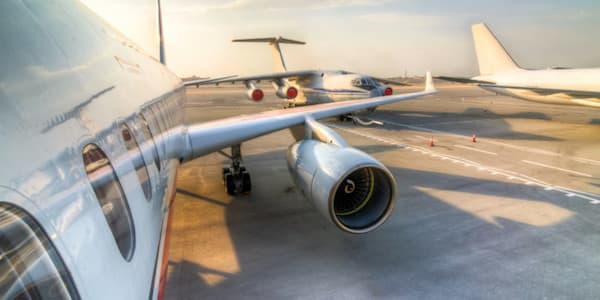
Researchers have developed an optimization system that identifies the optimal timing and taxiing sequences for runway use by a given aircraft. It plans detailed taxiing routes, recommends new routes automatically, and responds to a continuous stream of updated information. The model takes into account the basic rules and physical restrictions that apply at all airports, such as safety zones around turning aircraft and one-way taxiing routes.
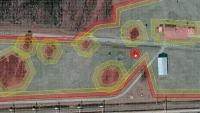
The model is designed to set up routes that avoid taxiing conflicts. It also defines a safety zone around each plane that varies in size and shape according to factors such as aircraft speed, wingspan, and the nature of its present activity. Optimal surface traffic movements require that these zones must never overlap. The model is being continuously supplied with data on the status of all aircraft movements on the ground and in the airspace surrounding the airport.
More From SAE Media Group
Tech Briefs
Preventing Gridlock on the Ground
NASA Spinoff
Flying in the Fast Lane with Air Traffic Software
Aerospace & Defense Tech Briefs
Digital Twins: How The Digital Replica Concept Is Used By Robotic Systems
Aerospace INSIDER
NASA Software Sets Stage for Future Flights
Tech Briefs
Spot and Runway Departure Advisor (SARDA)
NASA Spinoff
Swarming Technology Lets Drones Work as a Team
Aerospace INSIDER
NASA Tool Helps Airlines Minimize Weather Delays

NASA Spinoff
An Electronic Traffic Monitor for Airports
Aerospace INSIDER
Making Flight Safer With the “Internet of Airplanes”
Tech Briefs
Air Traffic Simulation Tool

Aerospace INSIDER
Drone Traffic Management System Wins NASA Invention of the Year
Aerospace INSIDER
NASA Brings Airport Communications into the Digital Age
Aerospace INSIDER
NASA Brings Air Mobility Vision to Stratospheric Heights
Aerospace & Defense Tech Briefs
G5000 Prime Flight Deck

NASA Spinoff
AirMap Guides Drones toward Widespread Use
Tech Briefs INSIDER
Expert INSIDER: How Mehdi Khorrami Uses Simulation to Address Aircraft Noise

Aerospace INSIDER
NASA System Would Enable Unmanned Aircraft to Fly in US Airspace
Aerospace INSIDER
Airflow Model Could Reduce Time on the Tarmac
Top Stories
NewsSensors/Data Acquisition
 Microvision Aquires Luminar, Plans Relationship Restoration, Multi-industry Push
INSIDERRF & Microwave Electronics
 A Next Generation Helmet System for Navy Pilots
INSIDERWeapons Systems
 New Raytheon and Lockheed Martin Agreements Expand Missile Defense Production
NewsAutomotive
 Ford Announces 48-Volt Architecture for Future Electric Truck
INSIDERAerospace
 Active Strake System Cuts Cruise Drag, Boosts Flight Efficiency
ArticlesTransportation

Webcasts
Aerospace
 Cooling a New Generation of Aerospace and Defense Embedded...
Energy
 Battery Abuse Testing: Pushing to Failure
Power
 A FREE Two-Day Event Dedicated to Connected Mobility
Automotive
 Quiet, Please: NVH Improvement Opportunities in the Early Design Cycle
Electronics & Computers
 Advantages of Smart Power Distribution Unit Design for Automotive &...
Unmanned Systems
 Sesame Solar's Nanogrid Tech Promises Major Gains in Drone Endurance