




Automotive Engineering - August 2023
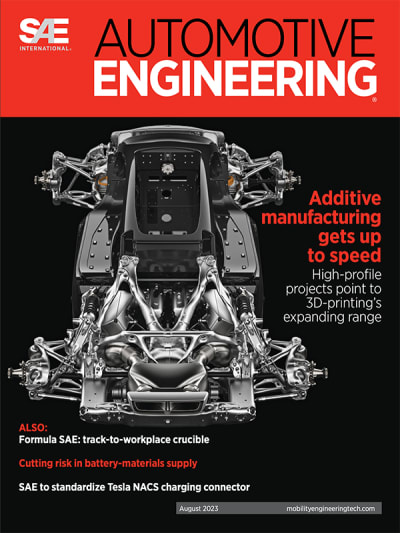
Inside this issue
Overview
The August 2023 issue of Automotive Engineering presents a comprehensive overview of the latest trends, innovations, and challenges in the automotive industry, with a particular focus on the transition to electric vehicles (EVs), workforce development, and advancements in manufacturing technologies.
Key Highlights:
-
Transition to Electric Vehicles (EVs): The issue emphasizes the ongoing shift from internal combustion engine (ICE) vehicles to electric vehicles, highlighting the challenges faced by suppliers in adapting to this change. A report indicates that many suppliers are struggling with inadequate information regarding OEMs' product timelines and strategic plans for EVs. This uncertainty hampers their ability to invest in EV technologies, as they fear ending up with stranded assets if they invest in the wrong areas. The report underscores the need for clearer communication and roadmaps from OEMs to facilitate smoother transitions for suppliers.
-
Workforce Development: The magazine features a section dedicated to workforce development, showcasing initiatives aimed at preparing the next generation of engineers for the evolving automotive landscape. It highlights the importance of real-world experience, as seen in student engineering teams participating in competitions like Formula SAE. These teams not only gain practical skills but also learn about teamwork, project management, and the importance of outreach and public relations in securing funding and support for their projects.
-
Additive Manufacturing: A spotlight on 3D printing and additive manufacturing reveals how these technologies are revolutionizing the automotive sector. The issue discusses the benefits of rapid prototyping, customization, and the potential for reducing waste in manufacturing processes. Companies are increasingly adopting these technologies to streamline production and enhance design flexibility, which is crucial in a competitive market.
Sustainability Initiatives: The magazine also addresses sustainability efforts within the industry. David L. Schutt, CEO of SAE International, discusses the organization's commitment to promoting secure, clean, and connected transportation. The issue highlights various initiatives aimed at aligning industry efforts with government policies to advance sustainable mobility on a national level.
-
Real-World Experiences from Student Teams: The experiences of student teams, such as those from Oklahoma State University and UCLA, are featured prominently. These teams face various challenges, from securing funding to navigating logistical hurdles during competitions. The article emphasizes the importance of collaboration and creativity in problem-solving, showcasing how students learn to adapt and innovate under pressure. The inclusion of students from diverse academic backgrounds, such as public relations and sociology, illustrates the interdisciplinary nature of modern engineering teams.
-
Technical Resources and Standards: The issue introduces SAE MOBILUS™, a technical resource platform that provides access to a vast array of engineering resources, including standards, technical papers, and magazines. This platform is designed to support engineers and students in their quest for knowledge and innovation, offering tools for efficient research and collaboration.
-
Industry Challenges: The magazine does not shy away from discussing the significant challenges the automotive industry faces, particularly in the context of the EV transition. The need for a clear strategy and collaboration among stakeholders is emphasized as critical to overcoming these hurdles. The report from Plante Moran highlights that without effective communication and planning, the risks of stagnation and inefficiency will only increase.
-
Innovations in Vehicle Design: The issue also touches on innovative design elements, such as the use of louvers in aerodynamic components, which enhance vehicle performance by managing airflow more effectively. These technical advancements are crucial for improving vehicle efficiency and safety, particularly in high-speed scenarios.
Conclusion:
The August 2023 issue of Automotive Engineering serves as a vital resource for industry professionals, students, and enthusiasts alike. It encapsulates the dynamic nature of the automotive sector, where technological advancements, sustainability efforts, and workforce development are intertwined. As the industry navigates the complexities of transitioning to electric mobility, the insights and experiences shared in this issue provide valuable guidance for stakeholders at all levels. The emphasis on collaboration, innovation, and education underscores the collective effort required to shape the future of transportation.
Features
-
Articles
Regulars
-
Supplier Eye
-
Technology Reports
4 SAE to Standardize Tesla NACS Charging Connector
5 Study: Information Desert Leaves Many Suppliers in EV Dust Bowl
-
Road Ready
Stories
-
News
Advanced Electrical Architectures Demand New Developmental Strategies
ADAS & Autonomous Vehicle Engineering
-
The Navigator
-
Features
4 Kodiak Targets Class 8 Electric Truck for Autonomous System
8 Making Sense of Next-Gen ADAS Sensing
12 Simulation Vs. Organizational Inertia
14 Automated Driving in Italy’s 1,000 Miglia Rally
Top Stories
NewsSensors/Data Acquisition
 Microvision Aquires Luminar, Plans Relationship Restoration, Multi-industry Push
INSIDERRF & Microwave Electronics
 A Next Generation Helmet System for Navy Pilots
INSIDERWeapons Systems
 New Raytheon and Lockheed Martin Agreements Expand Missile Defense Production
NewsAutomotive
 Ford Announces 48-Volt Architecture for Future Electric Truck
INSIDERAerospace
 Active Strake System Cuts Cruise Drag, Boosts Flight Efficiency
ArticlesTransportation

Webcasts
Aerospace
 Cooling a New Generation of Aerospace and Defense Embedded...
Energy
 Battery Abuse Testing: Pushing to Failure
Power
 A FREE Two-Day Event Dedicated to Connected Mobility
Automotive
 Quiet, Please: NVH Improvement Opportunities in the Early Design Cycle
Electronics & Computers
 Advantages of Smart Power Distribution Unit Design for Automotive &...
Unmanned Systems
 Sesame Solar's Nanogrid Tech Promises Major Gains in Drone Endurance