




First Drive: 2026 Subaru Outback Wilderness
An actual off-roader that people take off-road.
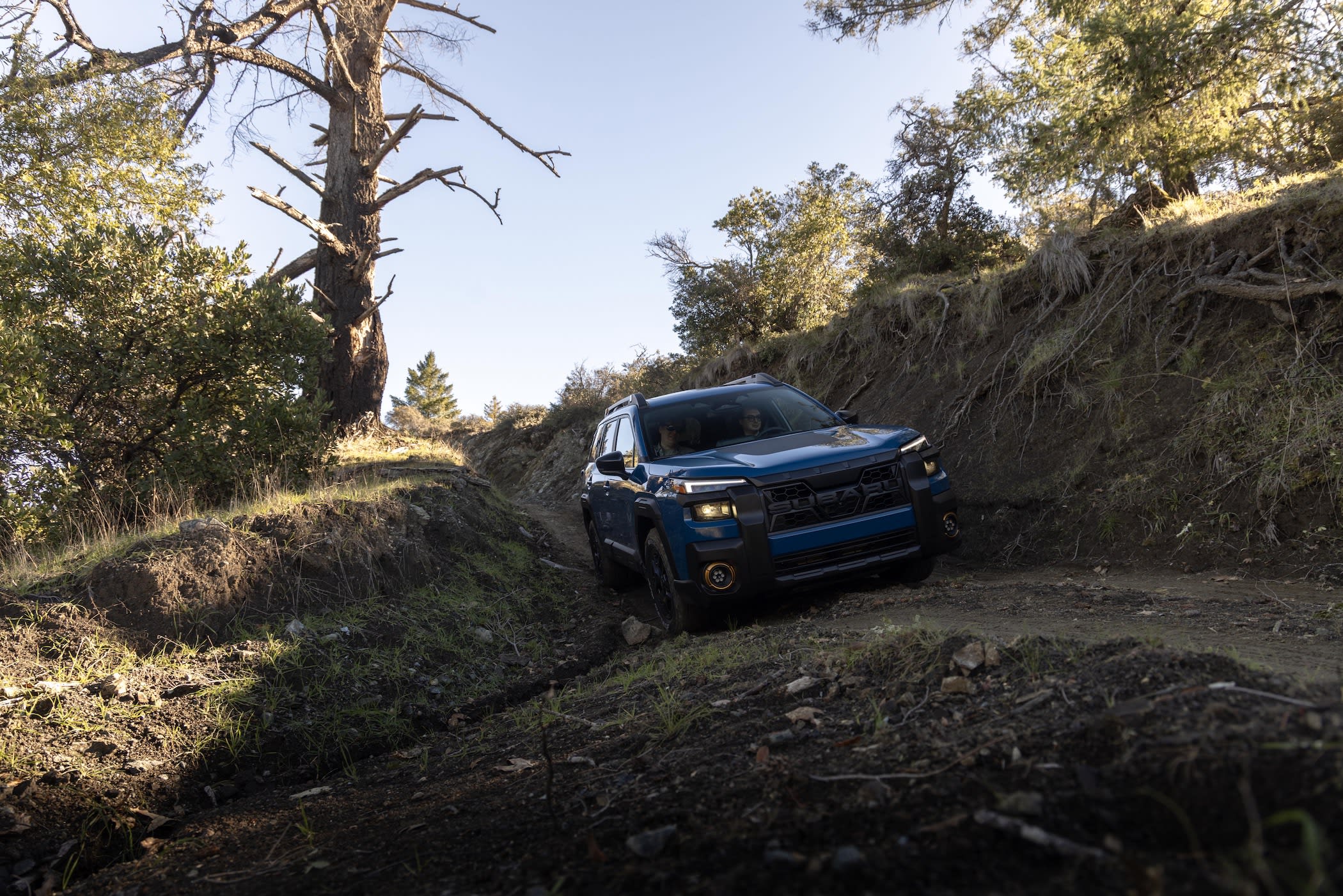
The transformation of the Subaru Outback from wagon to SUV is complete. While the wagon was a perfectly capable off-road machine, the new Outback gets a boxier exterior (possibly an homage to the boxer engine) and Wilderness-trim level-first platform upgrade. During a recent drive program in Northern California, I had the opportunity to test the increased capability of the vehicle firsthand.
Rugged first
Subaru's Wilderness trim level adds additional off-roading capabilities to the automaker's lineup. The previous generation Outback had a Wilderness trim level, but this time Subaru developed the current Outback platform with Wilderness in mind. This means refined packaging and a vehicle that’s ready to be upfitted for a more adventurous driver - or, at least, someone who needs to drive over and through deeper potholes.
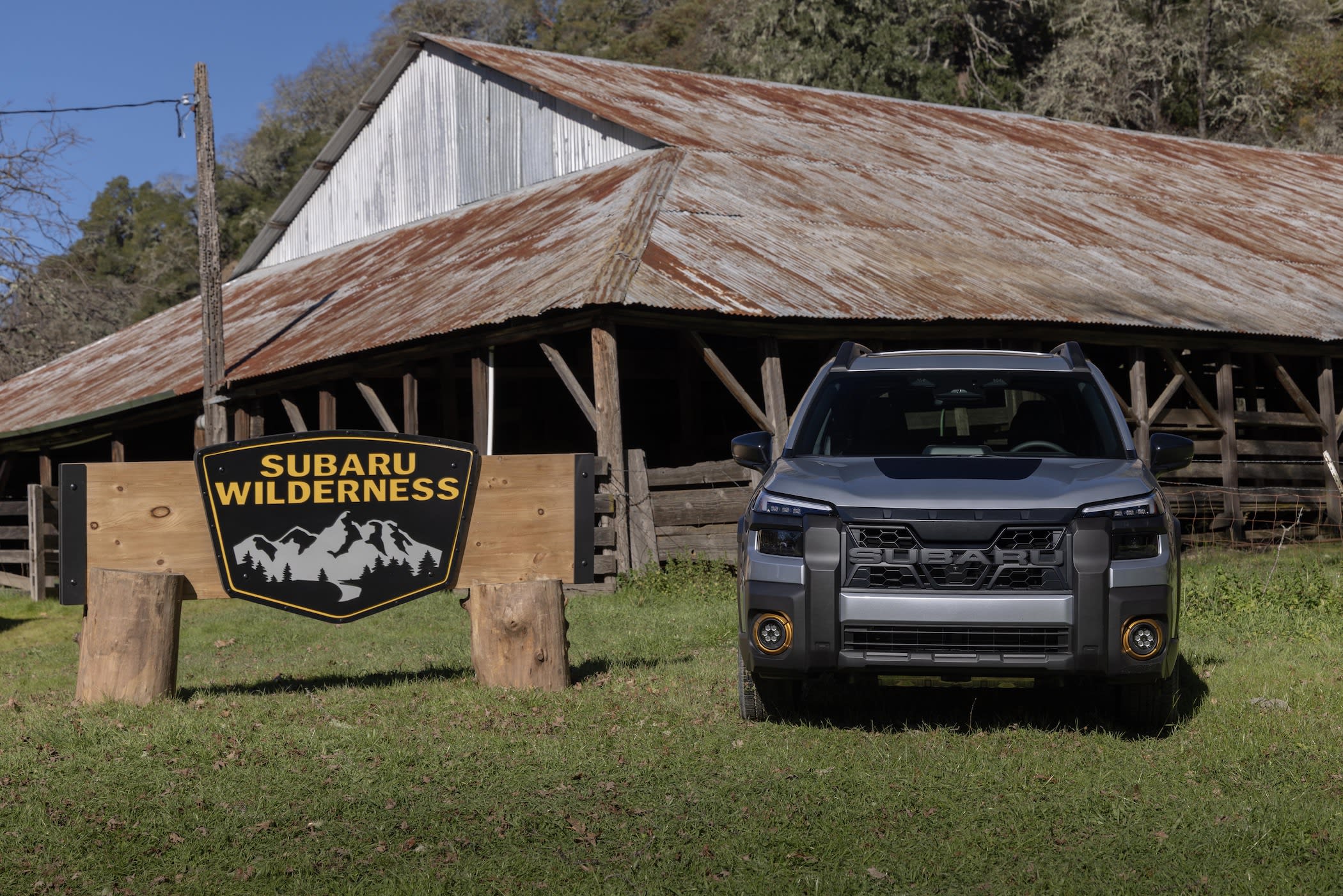
To help traverse terrain, the Wilderness trim level increases the vehicle's clearance from 8.7 in to 9.5 in (22 to 24 cm). Subaru also increased the approach and departure angles from 18 to 20 degrees and 21.4 to 23.6 degrees, respectively. The result of these changes made themselves clear during the majority of of my time behind the wheel of that vehicle on dirt roads in a Northern Californian ranch. Recent rains created some deep sections of mud and exposed rocks and tree roots that crisscrossed the vehicle's path. At no point did the Outback feel like it was struggling to overcome any of the obstacles along the predetermined off-road course. It's not built for Moab, but it will deftly tackle most dirt roads even after days of rainfall.
The Wilderness sports the more powerful of the two engines available for the Outback. Under the hood lies a 2.4-L turbocharged 4-cylinder Boxer engine that produces 260 hp (194 kW) and 277 lb-ft (375 Nm). It's 80 hp (60 kW) and 99 lb-ft (134 Nm) more than the standard engine. The extra torque is most noticeable while climbing, both off-road and on.
The trim level comes standard with electronically controlled dampers to keep the wheels planted onto the ground, and while in the rough bits, reduce some of the bumps encountered. But where it shines is on the twisties. The Outback Wilderness is a surprisingly fun vehicle to carve up the curvy asphalt you'll likely encounter during your drive to the trailhead.
A CVT gearbox is standard on all trim levels. The Wilderness does get a slightly increased gear ratio compared to the other trim levels to help it tackle tougher terrain. Helping drivers is the company's X-MODE system that tackles snow and dirt in one setting and deep snow and mud via another setting. I tested these settings and the vehicle's hill descent. While in those X-MODES, the hill descent is automatically enabled, which reduces the search for a button or control to turn it on, and it can be adjusted by increasing or decreasing the speed of the vehicle with the accelerator and brake. I found that to be a better solution than searching for a way to turn on hill descent while at the top of a stress-inducing incline.
Hard on the outside, soft inside
The new design of the Outback is reminiscent of the move by truck makers to lob off the nose of their vehicles and create a flat space to display their name. It's mostly flat, it's black, and it says "Subaru." The rest of the vehicle is a series of sharp edges. Some of the bits are quite useful. Along the back there's a nub to lean your snowboard and skis against so they don't go tumbling to the ground and scratch vehicle up while falling.
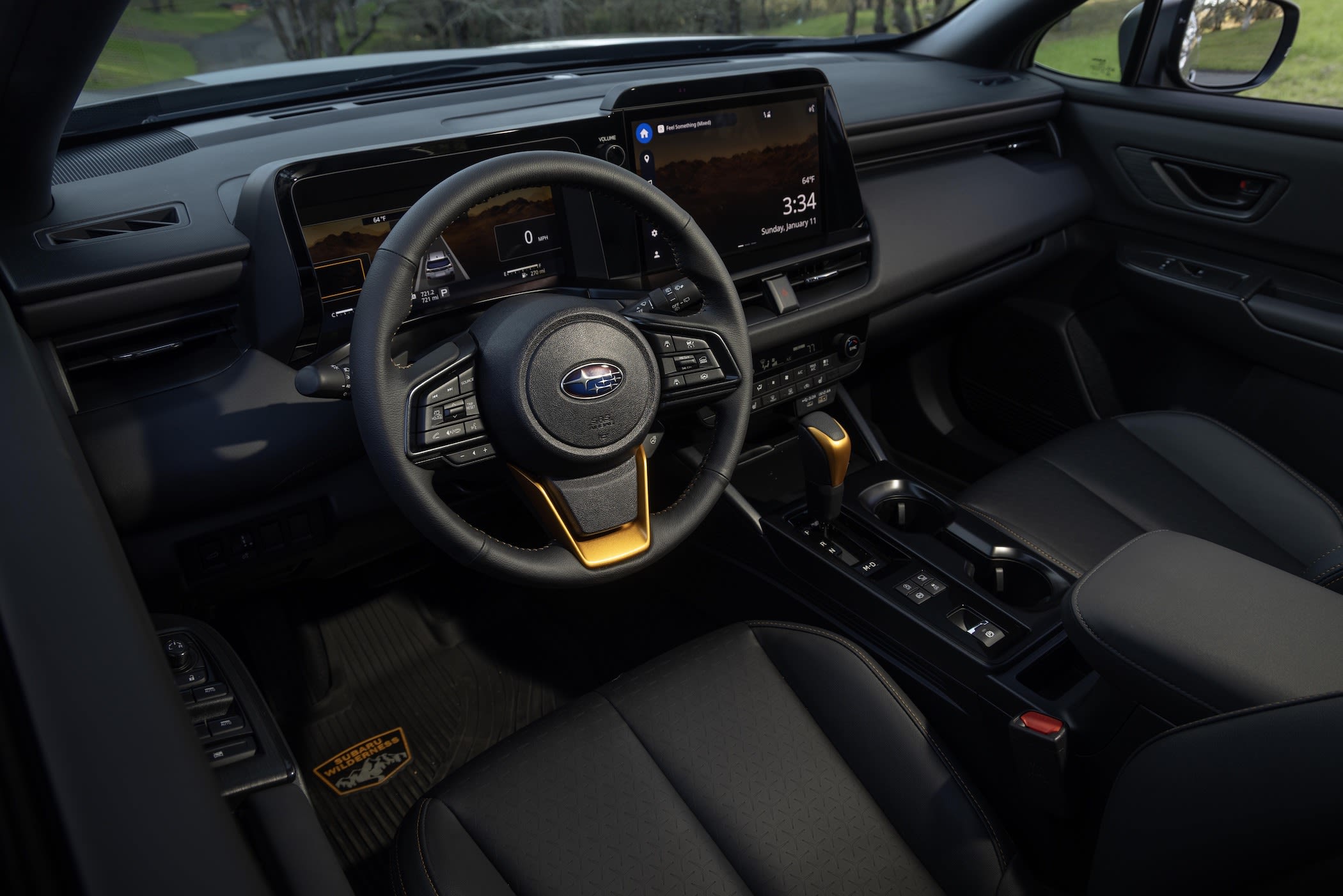
Inside, I found the seats to be comfortable, both front and back. I'm happy to report that the interior is full of actual buttons and knobs. Something that should be required by any vehicle that bills itself as an off-road vehicle. Tapping a screen while off-roading is a difficult proposition.
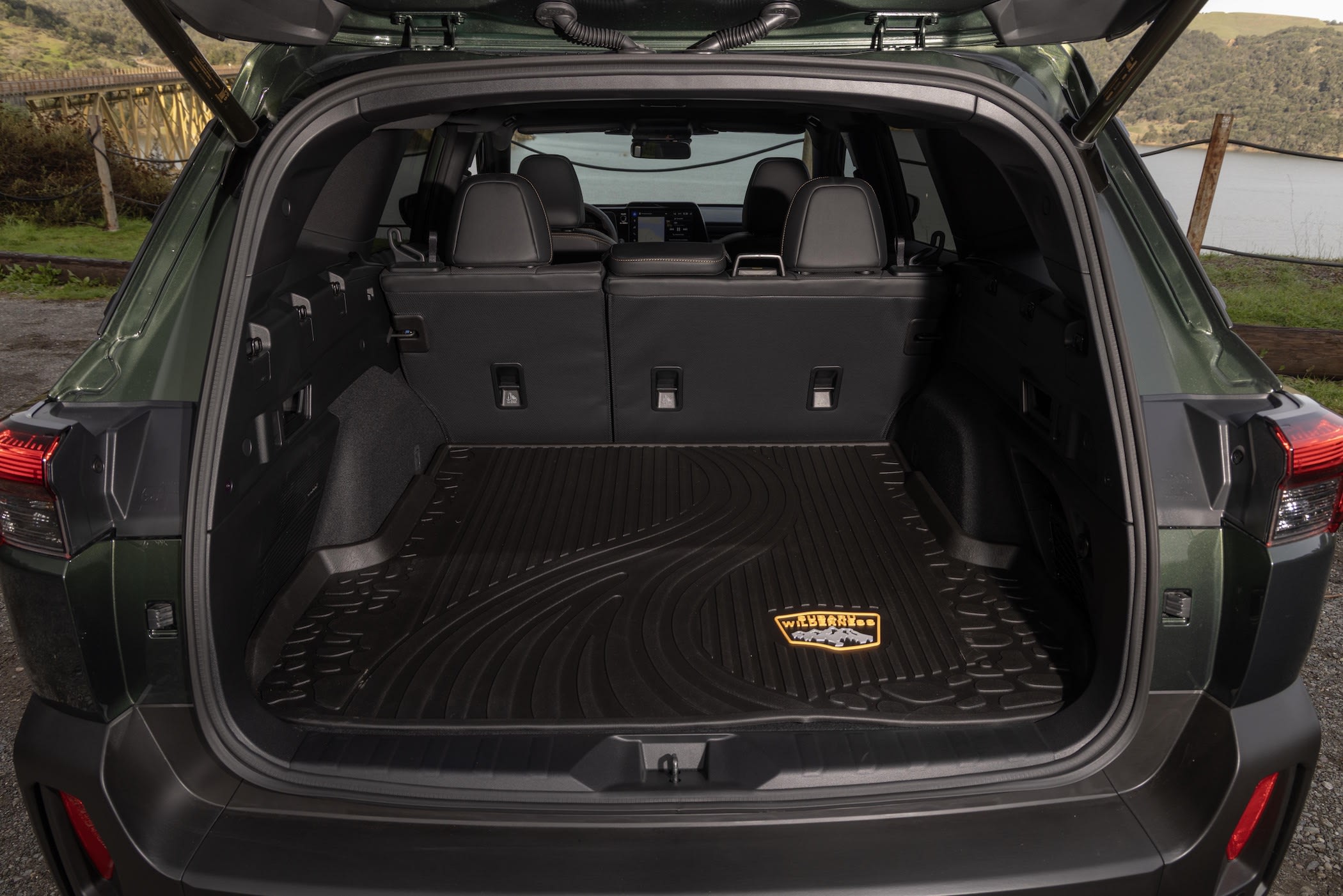
The rear cargo area with the rear seats up is 34.6 ft3. With the seats down it increases to 80.5 ft3. The 60/40 split opens options for storage and passengers and for those looking for a vehicle to match their outdoorsy lifestyle, the Outback is primed with enough room for their gear.
If you need to drag something with you to a location, the towing capacity is 3500 lbs (1588 kg). To appease the overlanding folks, the roof weight capacity has a static load of 800 lbs (363 kg), while the on-the-go load is 220 lbs (100 kg).
The infotainment system is housed in a 12.1-in display and supports wireless CarPlay and Android Auto. Subaru's infotainment system feels very much like a tablet slapped onto the dashboard of a vehicle. It works fine. Most will pair their phones with it and be happy.
Unfortunately, there was very little time on the highway to test the driver assistance features. Subaru was keen to show off the vehicle's ability to tackle both mountain roads and its off-road course. In both instances, the vehicle's abilities were a delightful surprise.
The Outback Wilderness starts at $46,445 (including $1,450 destination fee) and is available now.
More From SAE Media Group
Automotive Engineering
5 More HP for 2026 Kia Sportage: First Drive
Automotive Engineering
2026 Nissan Sentra Review: Putting the Pieces Together
Automotive Engineering
First Drive: 2026 Hyundai Palisade
Automotive Engineering
2018 Subaru Crosstrek Moves to New Stiffer Global Platform
Automotive Engineering
2019 Subaru Ascent Premium
Automotive Engineering
Subaru Carefully Reworks Outback on New Platform
Automotive Engineering
2024 Lexus GX Ready for Off-Road Adventure with New Platform, E-KDSS
Automotive Engineering
Toyota Stretches SUV Line-Up with World Debut of Grand Highlander
Automotive Engineering
Making over the World’s Leading Hybrid
Automotive Engineering
Mitsubishi Puts NVH in 2016 Outlander's Crosshairs
Automotive Engineering
Mitsubishi Refreshes Outlander
Automotive Engineering
2016 Optima Gets Upgraded UVO
Automotive Engineering
2021 Toyota Supra 2.0
Automotive Engineering
Refreshed 2025 Cadillac Escalade Features 55-Inch Dash Display
Automotive Engineering
Ford Refines Interior, Exterior on 2025 Explorer
Off-Highway Engineering
Western Star Adds ‘Weight Sensitive’ 47X to Vocational Lineup
Automotive Engineering
Lexus Unveils Concept Flagship Crossover
Automotive Engineering
Volkswagen Re-Engineers Tiguan
Automotive Engineering
Honda Enters Burgeoning Subcompact SUV Fray
Automotive Engineering
Hyundai Updates Its Tucson Compact Crossover
Automotive Engineering
Infiniti Creates 'Executive Boardroom' for 2015 Model
Automotive Engineering
Volvo Concept Estate Shows Clues for New XC90
Automotive Engineering
Magna’s New Active Airdam Boosts 2019 Ram Fuel Efficiency
Automotive Engineering
2019 Kia Forte Gets 'Smart' CVT
Automotive Engineering
Citroën Plans to Go Boldly on New Suspension System
Automotive Engineering
Challenger GT AWD Concept Debuts at 2015 SEMA Show
Automotive Engineering
In Search of the Lightweight, Multi-Material Car
Automotive Engineering
2019 Chevrolet Silverado 2.7L
Off-Highway Engineering
First Drive: Drifting in the Electric 2027 Mercedes GLC 400
Automotive Engineering
Tackling the Elements with the Ineos Grenadier Quartermaster and Wagon
Top Stories
INSIDERManufacturing & Prototyping
 How Airbus is Using w-DED to 3D Print Larger Titanium Airplane Parts
NewsUnmanned Systems
 Microvision Aquires Luminar, Plans Relationship Restoration, Multi-industry Push
INSIDERDesign
 A Next Generation Helmet System for Navy Pilots
ArticlesSoftware
 Accelerating Down the Road to Autonomy
INSIDERDesign
 New Raytheon and Lockheed Martin Agreements Expand Missile Defense Production
ArticlesTransportation
 CES 2026: Bosch is Ready to Bring AI to Your (Likely ICE-powered) Vehicle
Webcasts
Transportation
 Advantages of Smart Power Distribution Unit Design for Automotive...
Unmanned Systems
 Quiet, Please: NVH Improvement Opportunities in the Early Design...
Electronics & Computers
 Cooling a New Generation of Aerospace and Defense Embedded...
Automotive
 Battery Abuse Testing: Pushing to Failure
Communications
 A FREE Two-Day Event Dedicated to Connected Mobility
