




Bidirectional Charging Is Nearly Mainstream
Bidirectional charging, or V2H (vehicle to home), is one of the more important features of electric vehicles. It has the potential to keep the lights on during blackouts, save people money on their utility bills and help balance the grid.
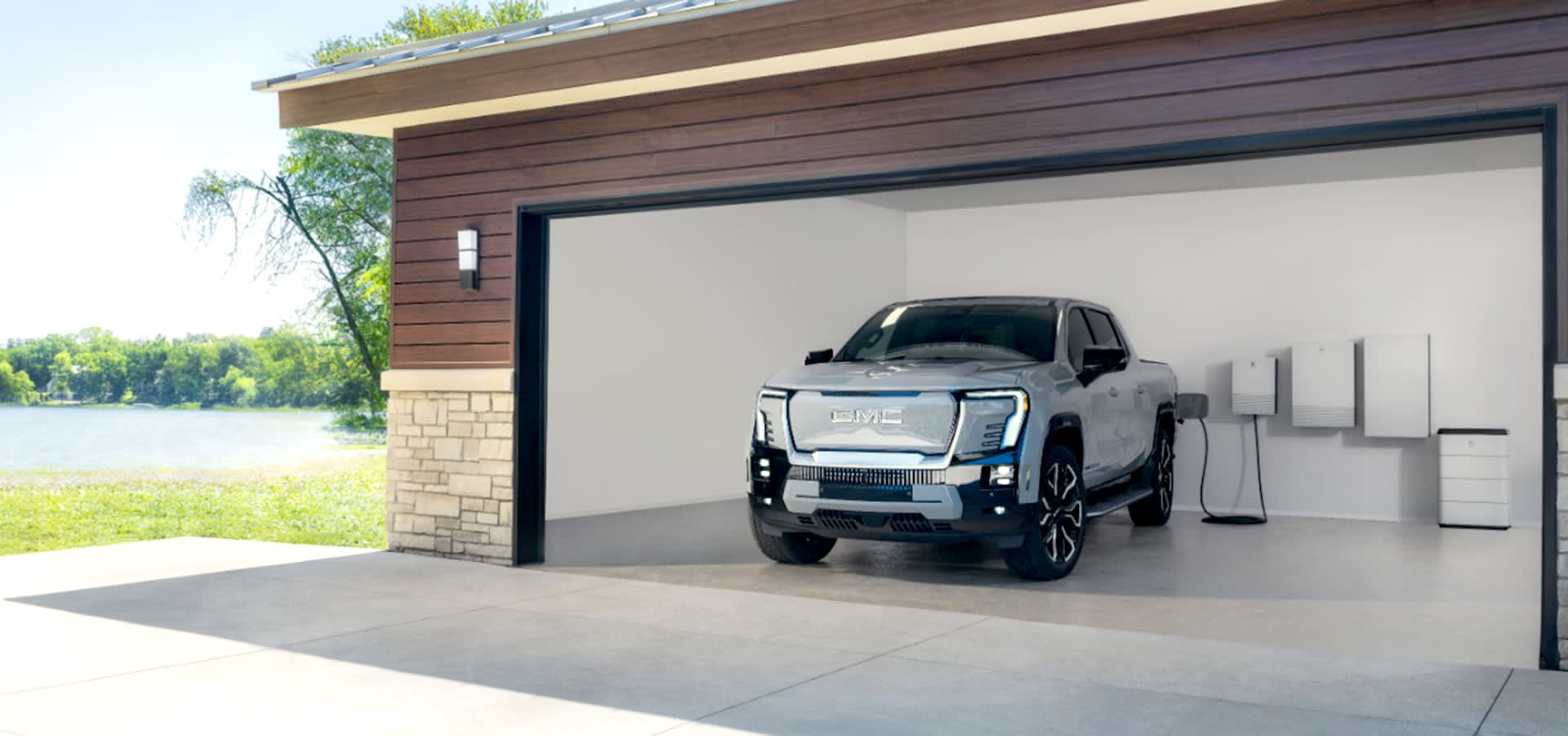
A home in Silicon Valley goes dark for a moment, then clicks back to life. A GM Energy employee had switched off the house's access to the grid. When it detects a lack of power the GM Energy PowerShift Charger box, inverter, and Silverado EV switch from charging the vehicle or sitting idle to powering the home.
Ford's F-150 Lighting and Kia's EV9 also have bi-directional charging boxes that can keep the lights on when the grid fails. Bidirectional charging, or V2H (vehicle to home), is one of the more important features of electric vehicles. It has the potential to keep the lights on during blackouts, save people money on their utility bills and help balance the grid.
"Since EVs generally have far more energy storage capacity than they use in a typical day, many homeowners could benefit from either a home integration system as power backup during outages or in most cases just a more basic V2L system that provides AC power to support essential needs like refrigerators and lights," Sam Abuelsamid, VP of Market Research at Telemetry told SAE.
Abuelsamid also noted that while there are larger technical and safety challenges for vehicle-to-load (V2L) systems than for just powering an individual home, the technology would allow utilities to pull power from idle EVs connected to bidirectional charging boxes.
According to 2022 data from the US Energy Information Administration (EIA) in the very broadest terms, the average home uses about 30kWh of electricity a day. Even with deviations in energy usage from region to region (homes in southern states typically use more electricity per day than homes in the northeast), most EVs have more than enough battery to run a house without seriously impacting the average American's day of about 37 miles behind the wheel.
A Field of Walled Gardens
At issue is bidirectional interoperability. The Ford Charge Station Pro bidirectional charger won't work with EVs from other automakers. In fact, it only works with the F-150 Lighting and not with the Mustang Mach-E. GM Energy's PowerShift Charger box only works with GM vehicles. Meanwhile, Kia's partnership with Wallbox’s Quasar 2 charger brings bidirectional charging to the EV9, and that's about it.
None of these systems work outside of either one or a few EVs from a single automaker. GM told SAE that it would like its system to work with vehicles from other automakers in the future. There's no reason why any of these companies wouldn't want to generate sales outside their own ecosystem.
The work is being done. GM is working with utility PG&E on a Vehicle-to-Everything pilot program that would help the automaker and utility company figure out how best to implement vehicle-to-grid services.
It comes down to standards and getting everyone on board to build technology that works for all automakers. Once that happens, prices will come down and V2H will become available to nearly every home with an EV. The charging world just needs a USB-C moment: the moment when everyone is on the same page for the good of all.
More From SAE Media Group
Automotive Engineering
GM Energy Introduces Vehicle-To-Home Charging Solution
Automotive Engineering
The Bi-Directional Bonus for EVs
Automotive Engineering
Kia’s 2024 EV9 Stands as First Mainstream 3-Row EV
Automotive Engineering
Architecting GM’s New EV Batteries
Automotive Engineering
New CHAdeMO 3.0 Aims to Harmonize Global EV Quick-Charging Standards
Automotive Engineering
The EV Tech of BMW’s Neue-Klasse IX3
Automotive Engineering
WCX 2023: Sorting out EV Public Charging in the U.S.
Automotive Engineering
Key ‘Plug and Charge’ Agreement Could Eliminate EV Charging-Payment Headaches
Automotive Engineering
SAE Completes Next Step to Standardize Tesla-Developed EV Charging Connector
Off-Highway Engineering
BEV Truck Manufacturers Charge Ahead at 2022 NTEA Show
Automotive Engineering
United Kingdom Develops a Pop-Up Electric Vehicle Charging Station for City Streets
Automotive Engineering
Is DC Fast-Charging Ready for Prime Time?
Automotive Engineering
Rethinking the Grid for EVs
Automotive Engineering
Wireless Road Charging for EVs to Debut in 2023
Automotive Engineering
Battery Leasing Spurs VinFast’s EV Offensive
Automotive Engineering
Green-Lighting Ford's "Clean" Technologies
Off-Highway Engineering
Next Steps Toward Battery-Electric Class 8 Trucks
Automotive Engineering
Mercedes-Benz Concept CLA Class Updates VISION EQXX Tech for a 466-Mile EV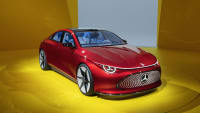
Automotive Engineering
GM and Honda to Jointly Develop Honda’s Electric Vehicles
Off-Highway Engineering
Brownout for Commercial-Vehicle Electrification?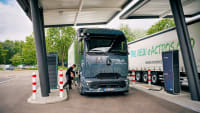
Off-Highway Engineering
ZF, Freudenberg Developing Integrated Fuel-Cell and E-Drive System
Off-Highway Engineering
Komatsu Employs “Slick” Battery Swapping for Underground LHD
Off-Highway Engineering
HEVI Launches Lineup of Electric Off-Highway Equipment
Automotive Engineering
The Lesson of J3400: Move Fast and Fix Things
Off-Highway Engineering
Nikola Producing Battery-Electric Trucks, Fuel-Cell EVs Coming
Off-Highway Engineering
Electrify America Accelerates DC Fast-Charger Installation
Automotive Engineering
Reliability Is Key to Capturing EVSE Market Share
Off-Highway Engineering
Mega Push for Heavy-Duty EV Charging
Automotive Engineering
Slate and SK Executives on Bringing the Inexpensive EV to Market
Top Stories
NewsRF & Microwave Electronics
 Microvision Aquires Luminar, Plans Relationship Restoration, Multi-industry Push
INSIDERAerospace
 A Next Generation Helmet System for Navy Pilots
INSIDERDesign
 New Raytheon and Lockheed Martin Agreements Expand Missile Defense Production
INSIDERMaterials
 How Airbus is Using w-DED to 3D Print Larger Titanium Airplane Parts
NewsPower
 Ford Announces 48-Volt Architecture for Future Electric Truck
ArticlesAR/AI

Webcasts
Electronics & Computers
 Cooling a New Generation of Aerospace and Defense Embedded...
Automotive
 Battery Abuse Testing: Pushing to Failure
Power
 A FREE Two-Day Event Dedicated to Connected Mobility
Unmanned Systems
 Quiet, Please: NVH Improvement Opportunities in the Early Design Cycle
Automotive
 Advantages of Smart Power Distribution Unit Design for Automotive &...
Energy
 Sesame Solar's Nanogrid Tech Promises Major Gains in Drone Endurance