




Coherix’s Laser-Based Computer-Vision Improves Electronics Manufacturing
New tech confirms the proper application of sealant and adhesives.
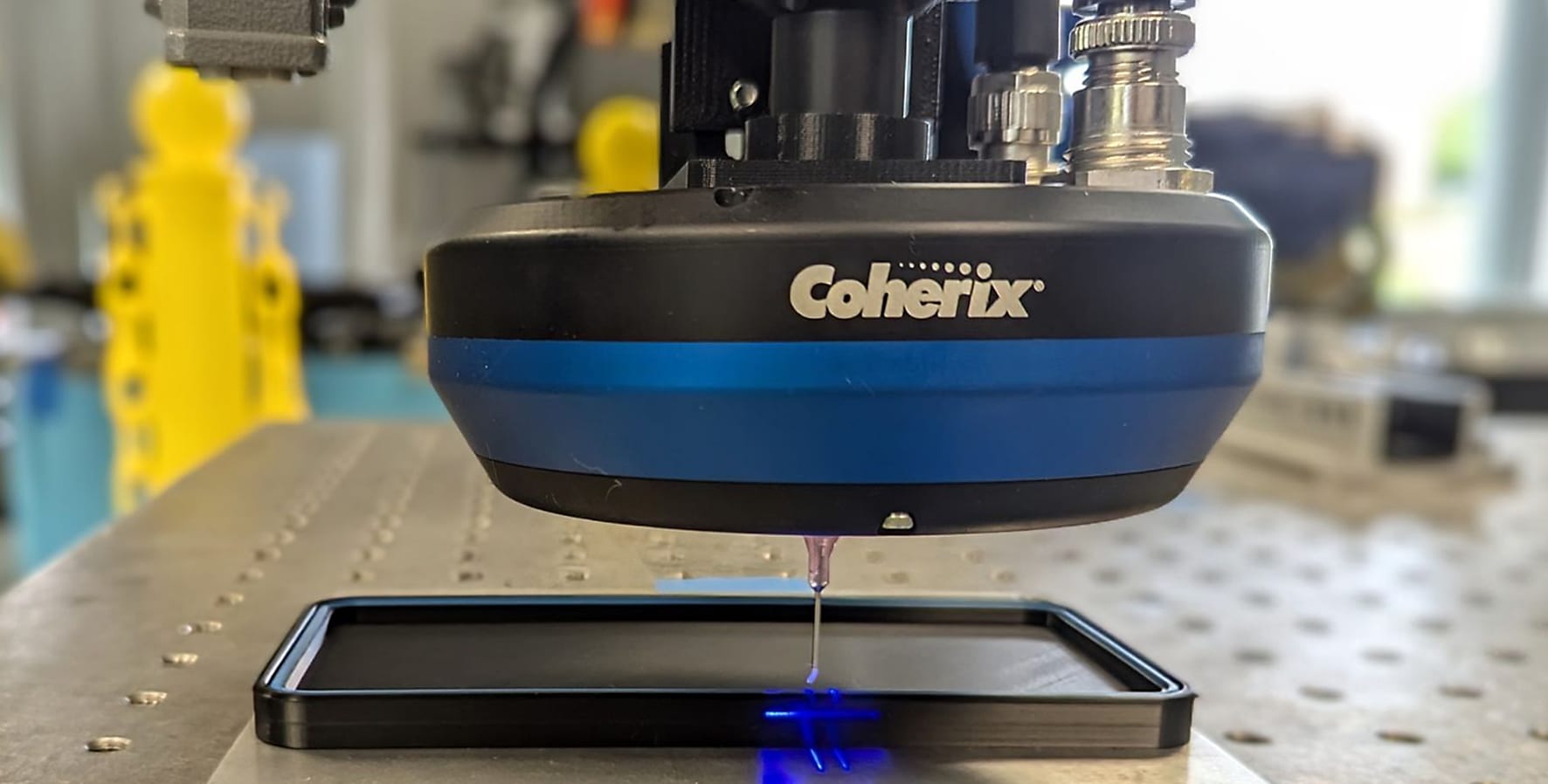
An industry-first 3D laser-based, computer-vision system can monitor and control the application of adhesive beads as tiny in width as two human hairs. This unique inspection system for electronic assemblies operates at speeds of 400 to 1,000 times per second, considerably quicker and more effective than conventional 2D systems.
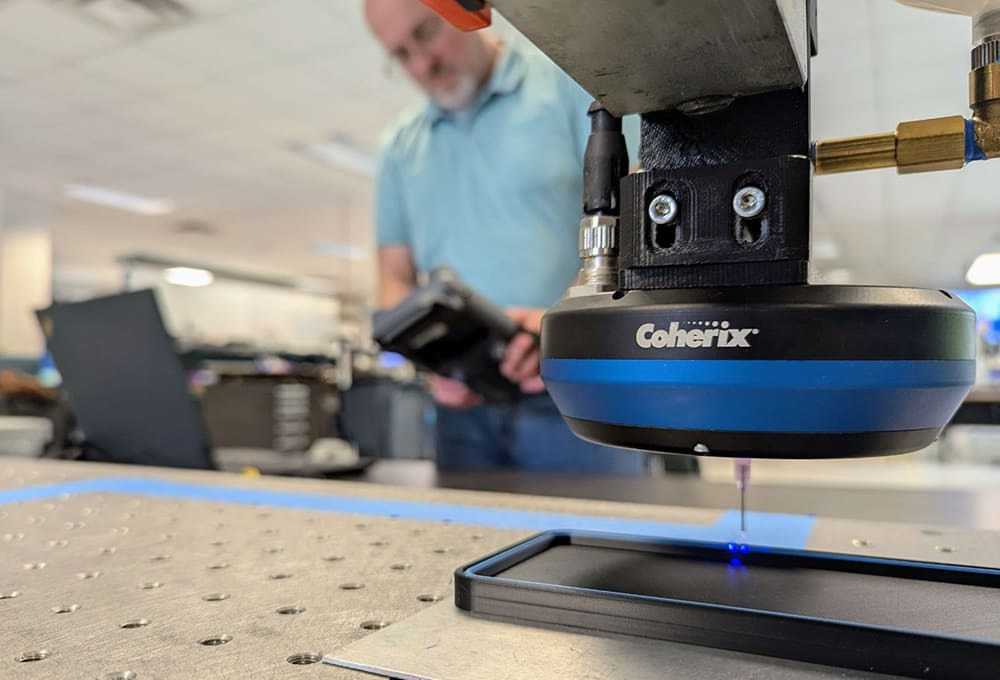
“Difficulty in precisely dispensing adhesives or sealants, especially in extremely small or complex electronic assemblies, can lead to over-application, under-application, bubbles, or incorrect location of the adhesive bead,” Juergen Dennig, president of Ann Arbor, Michigan headquartered Coherix, told SAE Media. Improper application of joining material on electronic control units (ECUs) and power control units (PCUs) can result in poor adhesion, material voids and short circuits.
With its small footprint, the new Coherix 3D Mini system performs adhesive inspections inline, a cycle time-saver in comparison to post-assembly inspection systems. All production data is retrievable, providing part traceability for every assembled part. “This eliminates tearing apart a finished manufactured part to ensure the sealant/adhesive is in the correct location and meets location, volume and width specifications, a process that is often done two to three times per shift at manufacturers that currently do not use a robust inspection method,” Dennig said.
The 360-degree vision system uses Coherix’s proprietary i-Cite software, providing real-time 3D information about the height, width, volume, and position of the sealant/adhesive application. An intuitive user interface provides direct feedback to the operator about whether the adhesive application passes or fails, according to Dennig.
Patented Coherix adaptive process control software enables the system to correct variations of adhesive applications. For instance, if a material gap is found, the 3D Mini prompts the adhesion-applying robot to fill in the gap and avoid the necessity of scrapping the part for poor quality.
Dennig claimed Coherix’s 3D system can potentially reduce operating costs by up to 20%. “The beta test of the Coherix 3D Mini system demonstrated significant cost savings,” he said, adding that a major automotive electronics manufacturer estimates more than $160,000 in annual operating savings with the installation of eight 3D sensor systems on a single assembly line.
China is initially expected to outpace Europe and North America in usage of the new technology.“China’s rapidly expanding production of electric vehicles and other electronic products makes it the single largest potential market for this new technology,” Dennig said.
More From SAE Media Group
Automotive Engineering
WCX 2024: The Technologies That Will Define Future Mobility
Tech Briefs
Providing Robots a Soft Touch Using 3D Printing
Off-Highway Engineering
Link Readies Semi-Active Cab Suspension for Intro on Select 2020 Models
Automotive Engineering
ZF Builds ‘Middleware’ to Address Vehicle Software Escalation
Aerospace & Defense Tech Briefs
Industry Invited to Participate in AeroTech Aerospace and Defense Technical Program
Aerospace & Defense Tech Briefs
Creating a Digital Gateway for RF Domain Will Advance Designs That Meet DoD Initiatives
Automotive Engineering
CES 2025 Preview: All the Tech That’s Fit to Print
Off-Highway Engineering
SKF Employs Digital Tools to Enhance Bearing Design, Performance
Autonomous Vehicle Engineering
Keeping Pace with In-Vehicle Data Speed
Motion Control Tech Briefs
Multimedia Operator Interface for a Health-Care Robot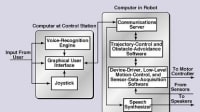
Off-Highway Engineering
Next-Gen HMI Crucial to Increasing ADAS Efficacy
Automotive Engineering
A Divergent Approach to Vehicle Development and Production
Off-Highway Engineering
Digitalizing Off-Highway Machines Delivers Actionable Data
Automotive Engineering
Moving Targets: How Improvements to SiC, GaN Power Electronics Will Redefine EV
Battery & Electrification Technology
Zonal Electrical Architectures Cut Vehicle Wiring-System Cost, Complexity

Off-Highway Engineering
Nikola Producing Battery-Electric Trucks, Fuel-Cell EVs Coming

Automotive Engineering
Securing the Software-Defined Vehicle

Medical Design Briefs
Optimizing Fluid Micro-Dispensing for Assembly of Life-Critical Medical Components
Aerospace & Defense Tech Briefs
SAE International Extends Call for Abstracts, Seeks Submissions for AeroTech Conference
Off-Highway Engineering
Rexroth Takes Aim at Electrification for Off-Highway Vehicles
Autonomous Vehicle Engineering
TCU Testing at the Heart of Vehicle Connectivity
Off-Highway Engineering
Big Data and Next-Gen Prognostics for Heavy-Duty Vehicles

Aerospace & Defense Tech Briefs
VITA 90: Small Form Factors for UAVs and Other Space Constrained Platforms
Top Stories
NewsSensors/Data Acquisition
 Microvision Aquires Luminar, Plans Relationship Restoration, Multi-industry Push
INSIDERRF & Microwave Electronics
 A Next Generation Helmet System for Navy Pilots
INSIDERWeapons Systems
 New Raytheon and Lockheed Martin Agreements Expand Missile Defense Production
NewsAutomotive
 Ford Announces 48-Volt Architecture for Future Electric Truck
INSIDERAerospace
 Active Strake System Cuts Cruise Drag, Boosts Flight Efficiency
ArticlesTransportation

Webcasts
Aerospace
 Cooling a New Generation of Aerospace and Defense Embedded...
Energy
 Battery Abuse Testing: Pushing to Failure
Power
 A FREE Two-Day Event Dedicated to Connected Mobility
Automotive
 Quiet, Please: NVH Improvement Opportunities in the Early Design Cycle
Electronics & Computers
 Advantages of Smart Power Distribution Unit Design for Automotive &...
Unmanned Systems
 Sesame Solar's Nanogrid Tech Promises Major Gains in Drone Endurance