




Digitally Engineering the Future of Army Off-Road Autonomous Vehicles
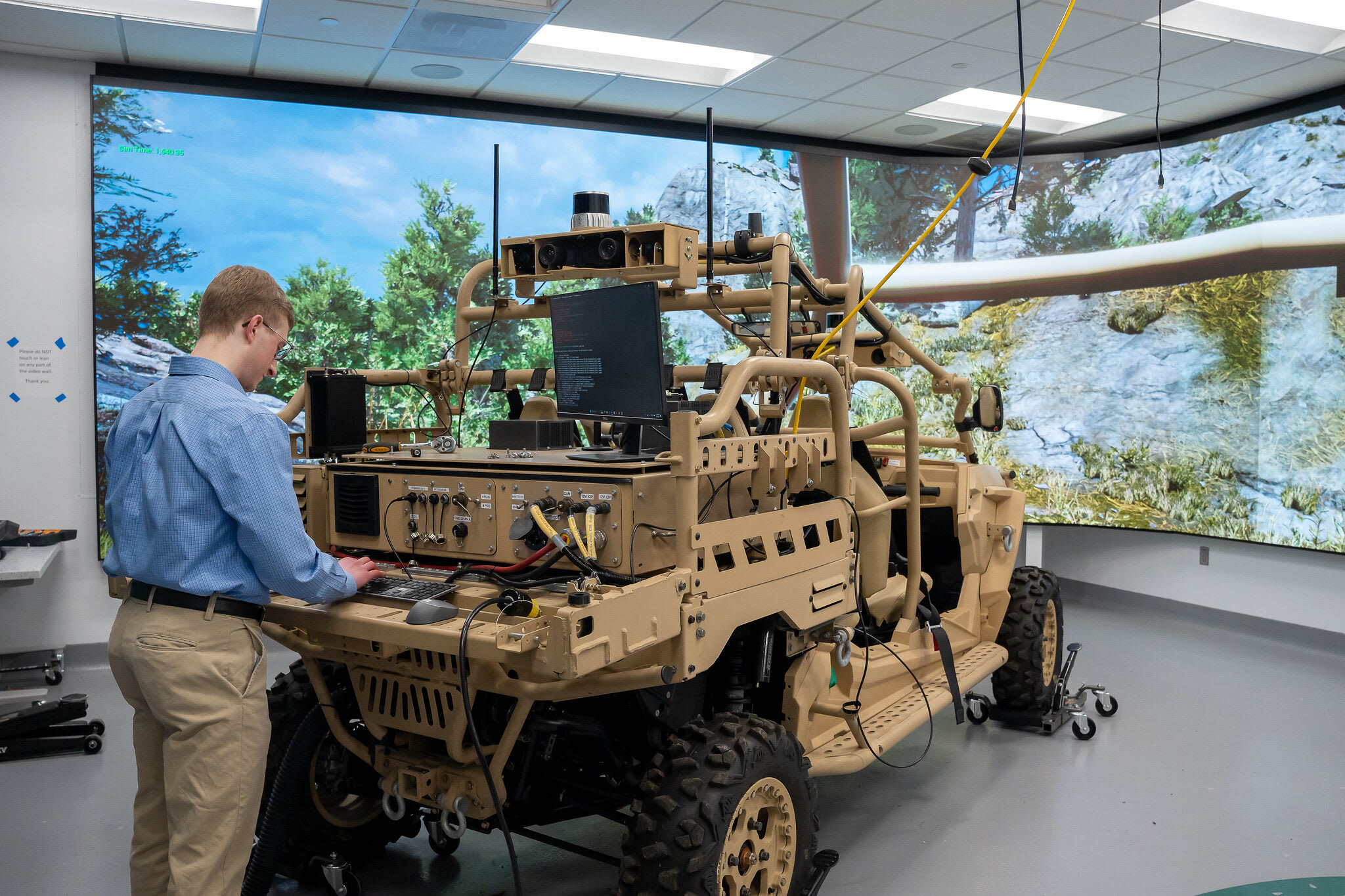
The University of Michigan’s Automotive Research Center (ARC) has served as a source of cutting-edge modeling and simulation for the U.S. Army’s fleet of ground vehicles — the largest such fleet in the world — since 1994. In January, the Army signed a new five-year, $100 million agreement with ARC to advance modeling, simulation, and the use of new digital engineering tools to develop future off-road autonomous vehicles.
Bogdan Epureanu, ARC Director and Professor of Electrical Engineering and Computer Science, is the guest on this episode of the Aerospace & Defense Technology podcast to discuss how his team is working on high-fidelity synthetic environments, virtual vehicle prototypes, and virtual reality tools for human-autonomy teaming — all in the pursuit of enabling future off-road autonomous vehicles for the U.S. Army.
Subscribe to the Aerospace & Defense Technology podcast on Apple Podcasts or Spotify .
More From SAE Media Group


Aerospace & Defense Tech Briefs
HTX Labs Adapts Its VR Platform for the Air Force Pilot Training Next Initiative
Off-Highway Engineering
Virtual Factories Accelerate Collaboration, Advance Technologies
Podcasts
What Is Generative AI at the Edge?


Automotive Engineering
Simulating Forward Motion at VI-Grade’s Zero Prototypes Day
Automotive Engineering
Volvo Cars Mixes Virtual with Real-World Testing


Aerospace & Defense Tech Briefs
Industry Invited to Participate in AeroTech Aerospace and Defense Technical Program
Off-Highway Engineering
DENSO Boosts Its Mobility-As-A-Service and Connected Technologies with New Seattle R&D Lab

Automotive Engineering
Virtual Reality Is the New Reality for Automotive Engineering
Tech Briefs
Product of the Month
Aerospace & Defense Tech Briefs
SAE International Extends Call for Abstracts, Seeks Submissions for AeroTech Conference

Autonomous Vehicle Engineering
The Vehicle as a Gaming Device
Off-Highway Engineering
Digitalization of Product Engineering
Aerospace & Defense Tech Briefs
Turn Growing Complexity into Competitive Advantage Through Digitalization -- Focus of AeroTech Keynote Thursday
Aerospace & Defense Tech Briefs
Centre for Modelling & Simulation to Develop Digital Twins for GKN Aerospace Additive, Composite, and Industry 4.0 Technologies
Motion Design INSIDER
Simulation-Based Pipeline Tailors Training Data for Dexterous Robots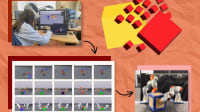
Top Stories
NewsRF & Microwave Electronics
 Microvision Aquires Luminar, Plans Relationship Restoration, Multi-industry Push
INSIDERAerospace
 A Next Generation Helmet System for Navy Pilots
INSIDERDesign
 New Raytheon and Lockheed Martin Agreements Expand Missile Defense Production
INSIDERMaterials
 How Airbus is Using w-DED to 3D Print Larger Titanium Airplane Parts
NewsPower
 Ford Announces 48-Volt Architecture for Future Electric Truck
ArticlesAR/AI

Webcasts
Electronics & Computers
 Cooling a New Generation of Aerospace and Defense Embedded...
Automotive
 Battery Abuse Testing: Pushing to Failure
Power
 A FREE Two-Day Event Dedicated to Connected Mobility
Unmanned Systems
 Quiet, Please: NVH Improvement Opportunities in the Early Design Cycle
Automotive
 Advantages of Smart Power Distribution Unit Design for Automotive &...
Energy
 Sesame Solar's Nanogrid Tech Promises Major Gains in Drone Endurance