




Autonomous Timeline: Following the Money
The billions invested in automated-driving development may be starting to take a toll.
Acquisitions, mergers and outright departures from the sector serve as almost weekly reminders not just that significant consolidation of autonomous-vehicle (AV) development is underway. Right in front of our eyes, the scenario many forecast for autonomy is unfolding like a classic film in which we know so many of the lines: The money is starting to add up and establish who continues and for how much longer.
Despite years of wildly inexpensive costs to borrow, the related shoot-from-the-hip attitude of venture capital and the evolution of seemingly ever-looser creative forms of finance (see: SPAC), the game is beginning to look like one to be survived only by the uber-wealthy – or those with deep fiscal reserves and legacy businesses to fund the long play of automation. The signal that there’s a new and higher-stakes phase afoot came (at least to my mind) when in early June both Alphabet’s Waymo and General Motors subsidiary Cruise Automation confirmed they were trolling for significant new funding.

Waymo’s announcement of a $2.5-billion funding round raised eyebrows, even if it promptly was fully subscribed by multiple heavy-hitters in the financial and automotive sectors. An executive at one auto-industry component maker brought it up during an interview on an unrelated topic, “We are still talking billions with a ‘B,’ correct?” After all, Waymo’s June money-raise came after a $3.25-billion funding round that was completed not even a year earlier.
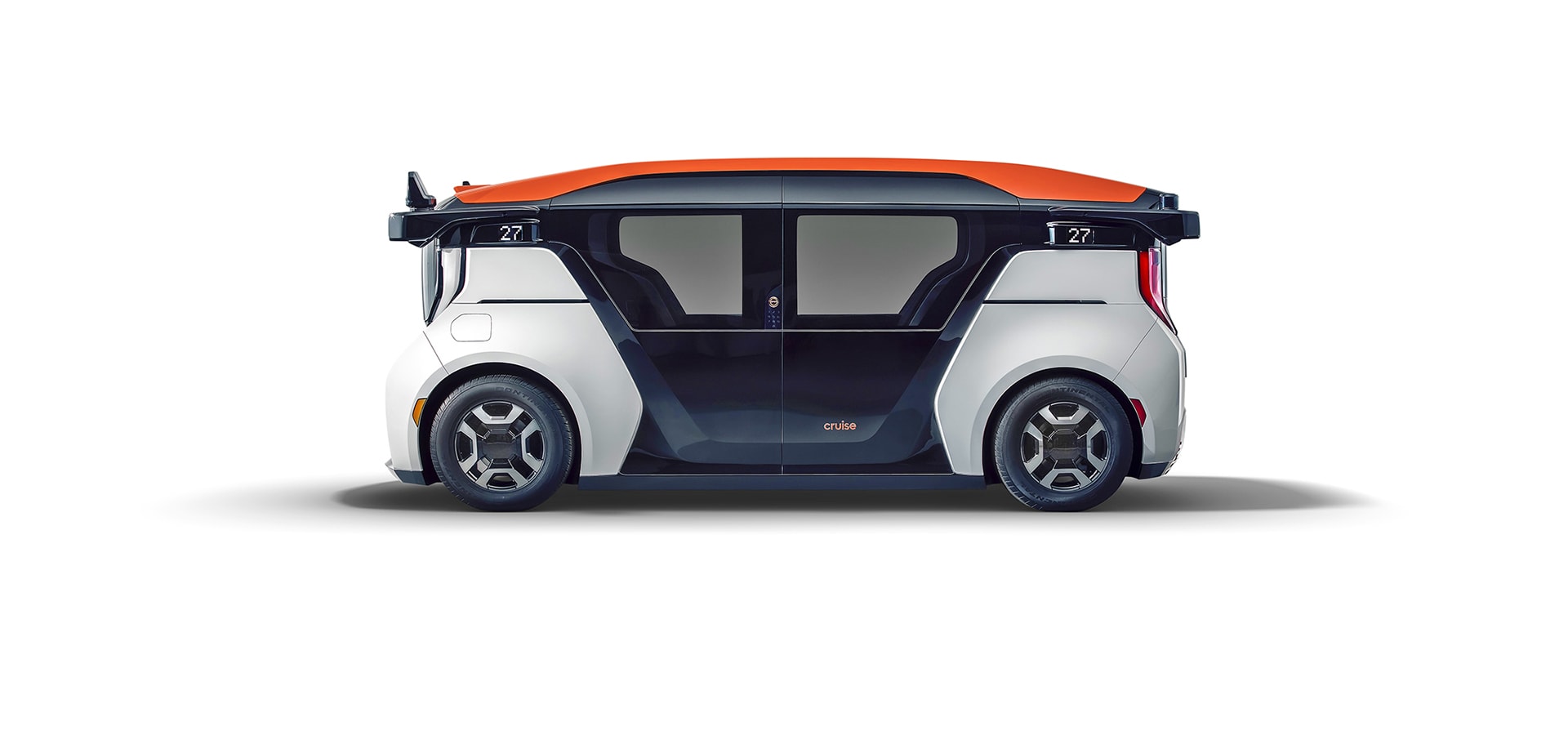
Dating to 2015, Cruise has completed funding rounds totaling about $10 billion, according to Crunchbase (the most noteworthy investor is GM’s electric-vehicle partner Honda, but Microsoft tossed in, too). In June, Cruise took on $5-billion credit line from GM Financial to buy Origin vehicles slated for commercial (i.e. revenue-generating) service beginning in 2023 in Dubai.
Even allowing for the comparatively restrained commercialization approaches of Cruise and Waymo, a lot of years and a lot of money have been required to get to the respective pending commercial deployments for which they’ve applied for permits in San Francisco. Meanwhile other well-heeled entities, including Argo AI, Aurora and certain multi-national Tier 1 suppliers also are striving to be full AV “system” suppliers. Just as Waymo and Cruise were announcing their latest funding moves, Bryan Salesky, CEO of Argo — which itself has had billions of dollars in investment from chief backers Ford and Volkswagen — confirmed the company probably will pursue an IPO “within the next year,” Reuters reported.
Maybe I’m failing to see the potential steepening of the adoption curve once software, stacks and hardware are mature and deployments become commonplace. Maybe that curve’s going to look something like the one being projected for personal and commercial electric vehicles (EVs). The investments for EVs have been similarly massive — and will continue to be — but EVs are in the hands of private and commercial customers right now and more are quickly coming to at least narrow the chasm between investment and revenue. As the billions roll over like the reels on a slot machine, can everyone afford to wait for high-level automation to start paying off?
More From SAE Media Group
Automotive Engineering
CASE Struggles to Fulfil Expectations
Automotive Engineering
Labor Cost, OEM Complexities Pressure Suppliers
ADAS & Autonomous Vehicle Engineering
AV Life After Argo AI
Autonomous Vehicle Engineering
BMW 7-Series Drives Itself Through Own Assembly
Autonomous Vehicle Engineering
Waymo, GM and Ford Pegged as Autonomous “Leaders” by Latest Navigant Report
Autonomous Vehicle Engineering
Going the Last Mile
Automotive Engineering
CES 2020: VW Creates New Autonomous Subsidiary
Automotive Engineering
WCX 2024: The Technologies That Will Define Future Mobility
Automotive Engineering
Continental’s New CTO to Lead Retooled R&D Pillar
Autonomous Vehicle Engineering
Gathering Clouds Will Form Autonomy’s Computing Backbone
Aerospace & Defense Tech Briefs
SAE International Extends Call for Abstracts, Seeks Submissions for AeroTech Conference
Automotive Engineering
Using AI and Machine Learning for Vehicle Inspection
Aerospace & Defense Tech Briefs
Industry Invited to Participate in AeroTech Aerospace and Defense Technical Program
ADAS & Autonomous Vehicle Engineering
Volkswagen Plants Autonomous-Testing Flag in Austin
Automotive Engineering
Preview: SAE 2021 WCX
Autonomous Vehicle Engineering
OTA and the End of Vehicle Ownership
Autonomous Vehicle Engineering
Autonomy Already Influencing Vehicle Interior Design
Automotive Engineering
Autonomy Testing: Simulation to the Rescue
Autonomous Vehicle Engineering
Hopeful but Closer Scrutiny for SAE Level 4 Automation
Automotive Engineering
EV Battery Manufacturing Commitments Surge in U.S.
Automotive Engineering
U.S. States Focus on Taiwan as Trade War Continues
Automotive Engineering
Spelling Ford with an ‘E’
Automotive Engineering
Volvo’s Electric High-Wire Act
Automotive Engineering
Electrification Brings Supplier Value Closer to Home
ADAS & Autonomous Vehicle Engineering
Finding Range Through Compute Efficiency
Off-Highway Engineering
Arctic Autonomy
Automotive Engineering
BEV – a New Business Model
Off-Highway Engineering
Teleoperations Will Keep Humans in the AV Loop
ADAS & Autonomous Vehicle Engineering
Tesla’s FSD Recall Impacts AV Industry
Autonomous Vehicle Engineering
Delivering on Autonomous Transport
Top Stories
NewsSensors/Data Acquisition
 Microvision Aquires Luminar, Plans Relationship Restoration, Multi-industry Push
INSIDERRF & Microwave Electronics
 A Next Generation Helmet System for Navy Pilots
INSIDERWeapons Systems
 New Raytheon and Lockheed Martin Agreements Expand Missile Defense Production
NewsAutomotive
 Ford Announces 48-Volt Architecture for Future Electric Truck
INSIDERAerospace
 Active Strake System Cuts Cruise Drag, Boosts Flight Efficiency
ArticlesTransportation

Webcasts
Aerospace
 Cooling a New Generation of Aerospace and Defense Embedded...
Energy
 Battery Abuse Testing: Pushing to Failure
Power
 A FREE Two-Day Event Dedicated to Connected Mobility
Automotive
 Quiet, Please: NVH Improvement Opportunities in the Early Design Cycle
Electronics & Computers
 Advantages of Smart Power Distribution Unit Design for Automotive &...
Unmanned Systems
 Sesame Solar's Nanogrid Tech Promises Major Gains in Drone Endurance