




Lotus Just Unveiled the World’s Most Powerful Car
Like, out of nowhere…
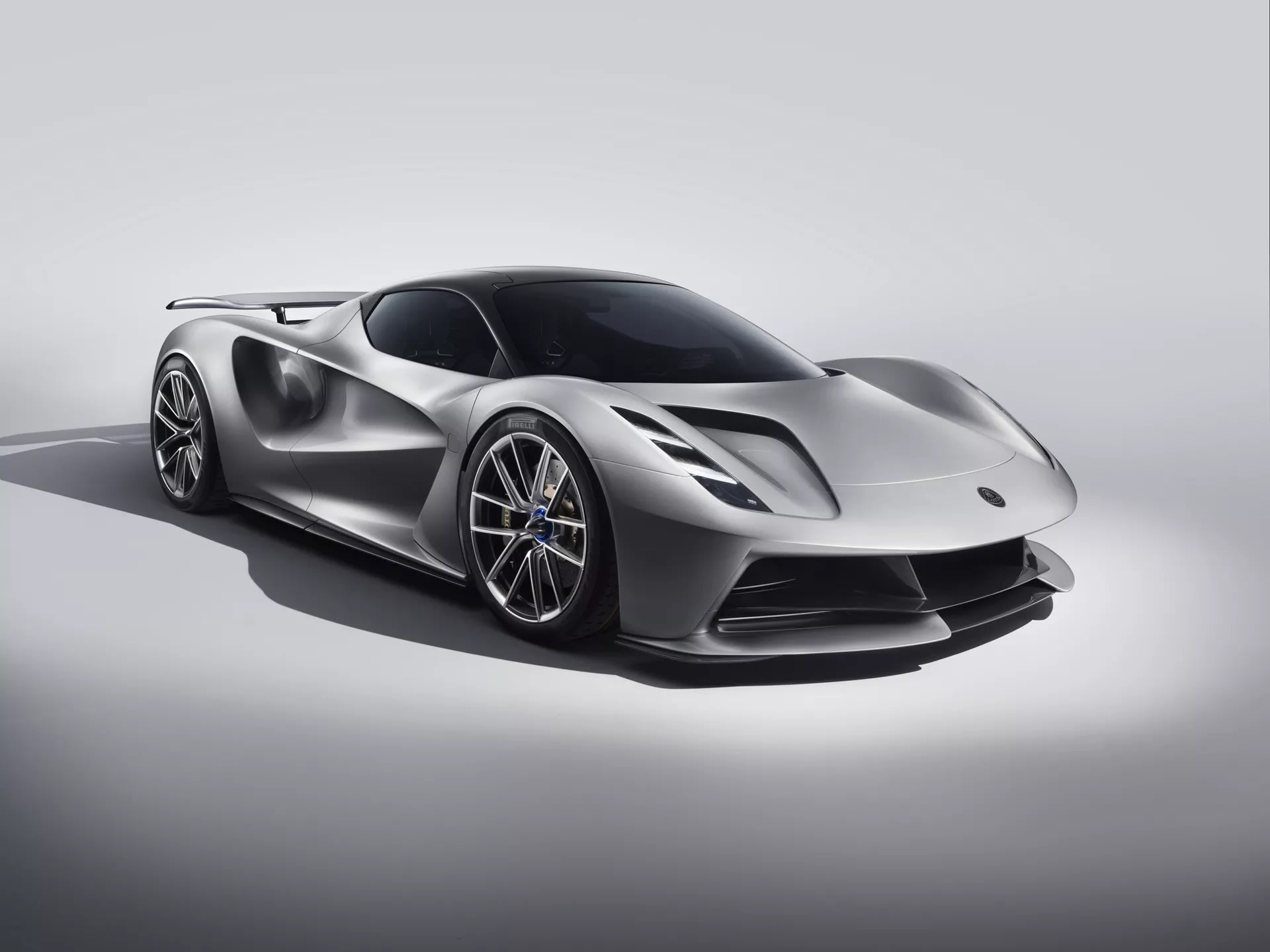
Lotus Cars Limited just debuted its latest model – the Evija – and, in doing so, ticked quite a few boxes. It is the company’s first all-electric vehicle (EV) and first hypercar. It’s also the first British all-electric hypercar. And it achieves 1,972 brake horsepower and 1,254 pounds of torque, making it the most powerful series production road car.
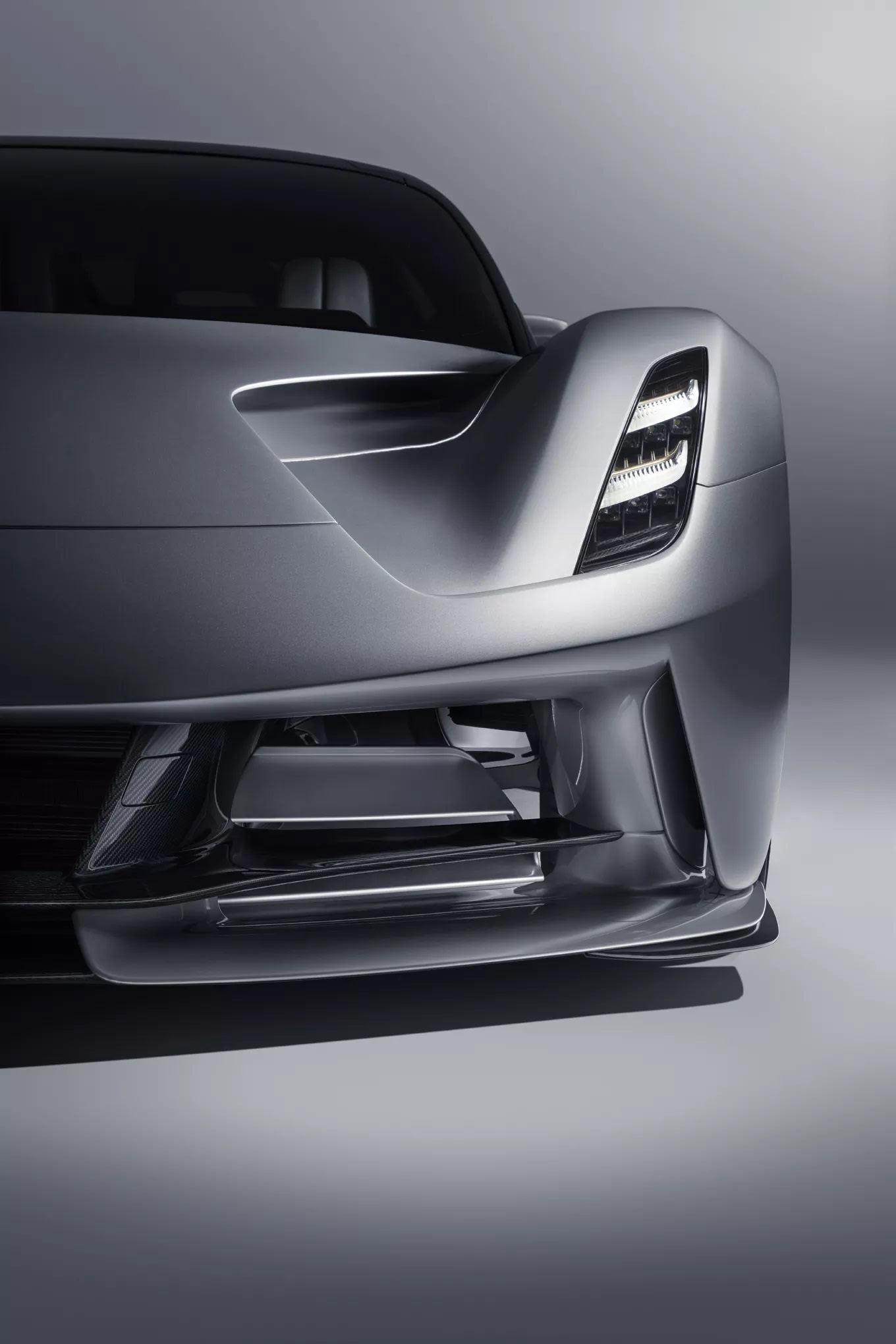
The two-seat Evija – pronounced “Ev-eye-ah” and unveiled in London earlier today – comes as a surprise to many in the industry; Lotus is well-known for designing lightweight, driver-oriented sportscars, let alone supercars.
Russell Carr commented: “The Evija is beyond anything Lotus has ever done – beyond anything I've ever done,” said Russell Carr, Lotus’ director of design. “We have created something beautiful, something new, dramatic, and unique.”
Lotus says the Evija can accelerate from 0 to 62 miles per hour in under three seconds and from 0 to 186 in under nine. These numbers whomp on the latest Italian EV hypercar – Pininfarina S.p.A.’s 1,877-horsepower Battista, unveiled earlier this year – which reaches 186 miles per hour in a little under 12 seconds.
The Evija accomplished this with four 368 kilowatt electric motors developed by Integral Powertrain Ltd. and a 70 kilowatt hour lithium-ion battery from Williams Advanced Engineering Ltd. Apparently, the battery that can be fully charged in under nine minutes with a 800 kilowatt charger (which actually hasn’t been developed yet). With current 350-kilowatt chargers, the Evija can still be charged in 18 minutes.
Although Lotus is leapfrogging industry segments, the company has kept with key design philosophies that have defined its brand: lightweight and driver oriented.
“It is a hypercar that is built for the drivers,” said Phil Popham, Lotus CEO.
And at nearly 3,700 pounds, the Evija is also the leanest EV hypercar ever built. Magnesium wheels and carbon fiber materials are the contributors to that number.
In addition to the weight, aerodynamic features like the removal of sideview mirrors and the use of integrated cameras in the front wings, tunnels between the rear wheels and body, and – well – let’s just call it “downforce everywhere,” are clear reminders that the design pulls inspiration from Formula racing (with a heavy dose of retro thrown in).
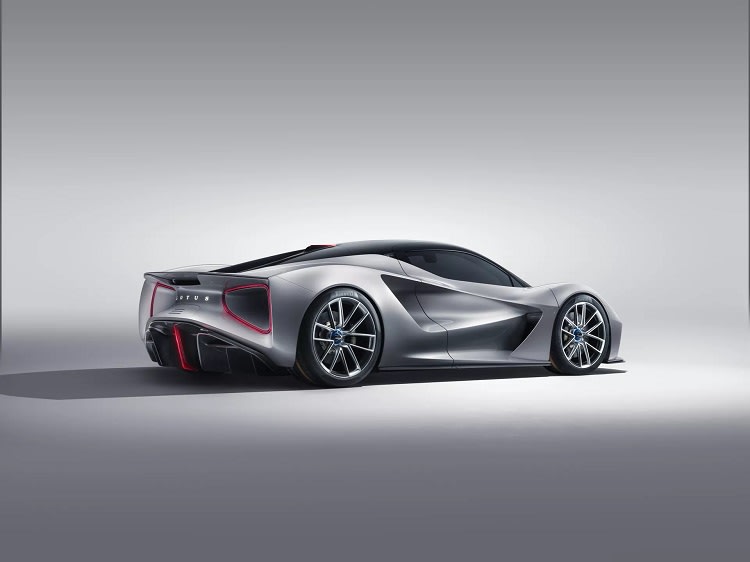

Popham added that the “Evija will re-establish Lotus as a leader in terms of engineering and design.” As the first Lotus model developed since the company’s major shareholder Zhejiang Geely Holding Group Co., Ltd – or just “Geely” – too control in 2017, the vehicle has certainly set the bar high in terms of power and dynamics.
Now under Chinese stewardship, Lotus has stolen the show.
But, with production run of only 130 cars, each priced at $2.1 million dollars, stealing might be your best chance to drive one.
William Kucinski is content editor at SAE International, Aerospace Products Group in Warrendale, Pa. Previously, he worked as a writer at the NASA Safety Center in Cleveland, Ohio and was responsible for writing the agency’s System Failure Case Studies. His interests include literally anything that has to do with space, past and present military aircraft, and propulsion technology.
Contact him regarding any article or collaboration ideas by e-mail at
More From SAE Media Group
Automotive Engineering
2023 Cadillac Lyriq Executive Chief Engineer: New EV Her ‘North Star’
Automotive Engineering
Volvo’s Polestar Powerhouse Plug-In Hybrid
Off-Highway Engineering
Israeli Startup REE Reinvents the Wheel with a Modular Approach to Future EV Design
Automotive Engineering
Look Behind-The-Scenes at Acura’s Performance Manufacturing Center, Home of the Acura NSX
Automotive Engineering
Dodge Debuts Charger Daytona SRT Concept Electric Musclecar
Automotive Engineering
2026 Escalade IQL Is Cadillac’s Biggest, Roomiest EV Yet
Automotive Engineering
Engineering a ‘Beast’ of an Electric SUV
Automotive Engineering
Honda and Nissan Merger Plans Could Accelerate EV R&D
Automotive Engineering
Lotus Breaks out with New Eletre Electric SUV
Automotive Engineering
Optimizing EV Platforms for Pickup Trucks
Automotive Engineering
2022 Ford F-150 Lightning Redefines the Pickup Paradigm
Automotive Engineering
Mercedes Unveils Tech-Heavy Electric G-Class
Automotive Engineering
Tested: 2025 Mercedes-Benz G 580 Spins up a Winner
Automotive Engineering
NAIAS 2019: Nissan Debuts IMs EV Sport-Sedan Concept
Automotive Engineering
All-Electric Nissan Ariya Handles Ultra-Cold Temps on Pole to Pole Trek
Automotive Engineering
2025 Cadillac Optiq EV Arrives with Standard Dual Motors
Off-Highway Engineering
Volkswagen ID.Buzz All-electric Vans Combine Iconic Styling With Modern Technology
Automotive Engineering
Ford Unveils 2021 Mustang Mach-E Electric Vehicle
Automotive Engineering
BEV Streamliner Tops 350 Mph for U.S. Speed Record
Automotive Engineering
Jaguar Unveils Twin-Motor I-Pace Battery-Electric Crossover
Automotive Engineering
NVH-Fighting Plastic EV Motor Mount Wins Lightweighting Award
Off-Highway Engineering
Mack Trucks Begins Production of LR Electric
Automotive Engineering
Airflow Concept Presents Chrysler EV Direction
Automotive Engineering
Bentley's Technology Future: Stone Trim, Smaller SUV and EVs
Automotive Engineering
2025 BMW M5 First Drive: Stuffed like Schnitzel with PHEV Tech
Automotive Engineering
Making over the World’s Leading Hybrid
Automotive Engineering
New Zapp Electric Scooter Just 200 Pounds, 200 Components
Automotive Engineering
Innovative ‘Afreecar’ Wins SAE’s 2021 Create the Future Design Award
Automotive Engineering
Mercedes-Benz EQS Concept: The S-Class of Electric Vehicles?
Automotive Engineering
Battery Leasing Spurs VinFast’s EV Offensive
Top Stories
NewsSensors/Data Acquisition
 Microvision Aquires Luminar, Plans Relationship Restoration, Multi-industry Push
INSIDERRF & Microwave Electronics
 A Next Generation Helmet System for Navy Pilots
INSIDERWeapons Systems
 New Raytheon and Lockheed Martin Agreements Expand Missile Defense Production
NewsAutomotive
 Ford Announces 48-Volt Architecture for Future Electric Truck
INSIDERAerospace
 Active Strake System Cuts Cruise Drag, Boosts Flight Efficiency
ArticlesTransportation

Webcasts
Aerospace
 Cooling a New Generation of Aerospace and Defense Embedded...
Energy
 Battery Abuse Testing: Pushing to Failure
Power
 A FREE Two-Day Event Dedicated to Connected Mobility
Automotive
 Quiet, Please: NVH Improvement Opportunities in the Early Design Cycle
Electronics & Computers
 Advantages of Smart Power Distribution Unit Design for Automotive &...
Unmanned Systems
 Sesame Solar's Nanogrid Tech Promises Major Gains in Drone Endurance