




German Spark-Ignited Compression-Ignition Research Paralleling Mazda’s SPCCI
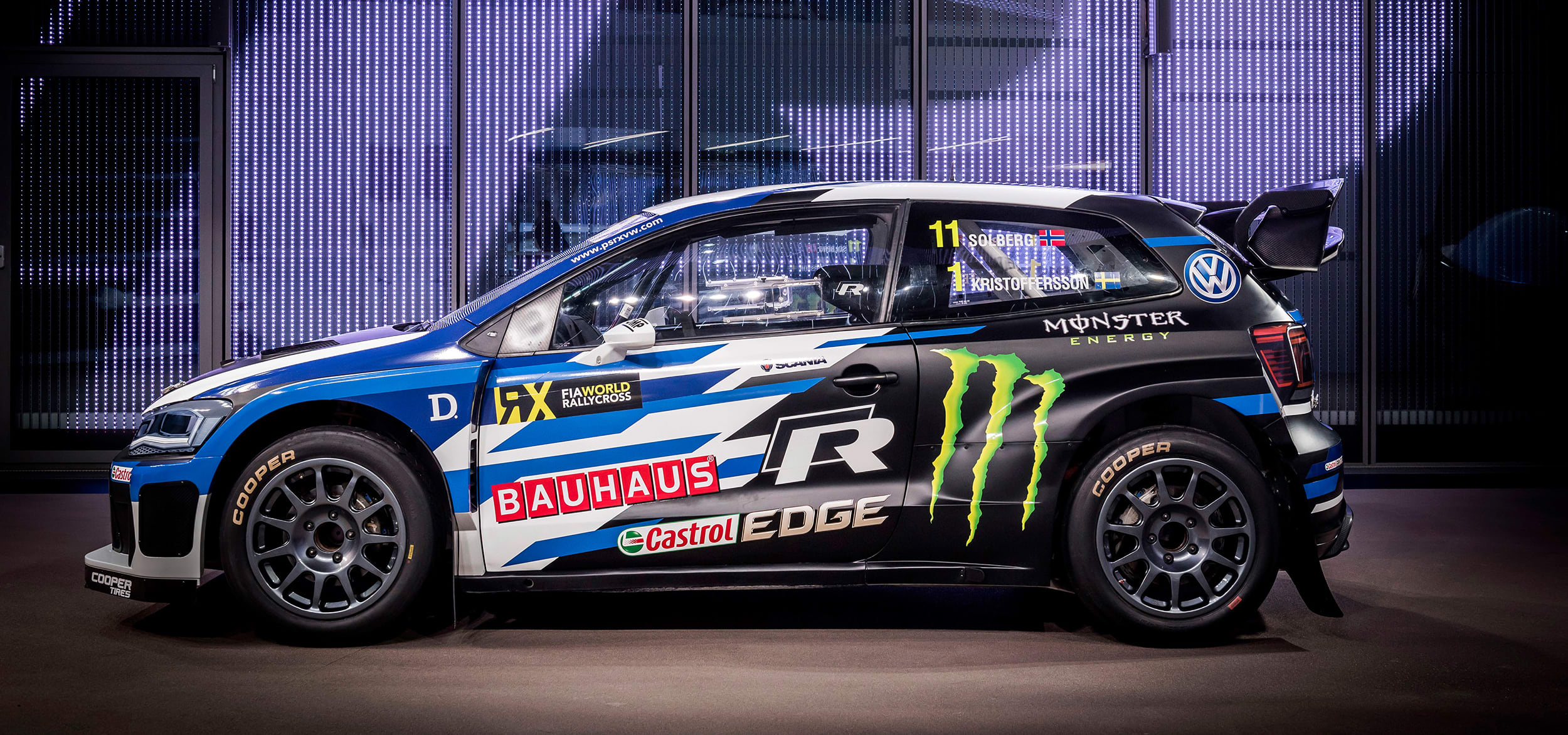
At SAE International’s 2018 High-Efficiency IC Engine Symposium in Detroit, the Research Institute of Automotive Engineering and Vehicle Engines Stuttgart (FKFS) revealed it is in an advanced stage of research on a gasoline-engine compression-ignition combustion system that is largely similar to Mazda’s production-ready Spark-Controlled Compression-Ignition (SpCCI) for its SkyActiv-X engine (ICE Breaker!).
In a presentation at the advanced-engines conference, Andreas Kaechele said the FKFS system is dubbed Spark Assisted Compression Ignition (SACI) and the concept was borne from the nearly 90-year-old research institute’s work on high-performance engines for Volkswagen’s World Rallycross Championship (WRC) engines. The WRC engines are restricted on how much intake air is permitted, leading engine developers to examine advanced engine and combustion concepts to make the most of the available intake charge.
Kaechele said the SACI design is centered on an innovative “pre-chamber” sparkplug that ignites the fuel and propels it into the combustion chamber—amplifying the spark energy in a way that he said is crucial to controlling the auto-ignition process that creates the desired compression-ignition effect in the combustion chamber.
Mazda’s SpCCI operates under a similar concept, but uses a conventional sparkplug to initiate and more-precisely control the compression-ignition process and also to expand the compression-ignition, lean-combustion operating range.
Kaechele said test engines have operated at upwards of 7,000 rpm with a 12:1 compression ratio, 2 bar of intake pressure and a Lambda value of approximately 1.65. The engine ran on gasoline of 102 RON.
He added that test engines and simulation modeling yielded cylinder pressures up to 1.7 times those seen in the high-performance WRC engine. The testing, he said, has demonstrated new understanding of gasoline compression-ignition cylinder geometry, valve timing and fuel-injection techniques, as well as new insight into fuel’s effect on the process, saying the engine and fuel “must be accurately designed” to ensure stable SACI operation.
Kaechele did not indicate when FKFS expects to potentially commercialize the SACI system, either for production-vehicle or racing engines, but said research is ongoing.
More From SAE Media Group
Automotive Engineering
Mahle’s Pre-Chamber MJI Technology Is Sparking Ignition Advances
Aerospace & Defense Tech Briefs
X Marks the Spot
Off-Highway Engineering
Mahle, Liebherr Develop Active Pre-Chamber for Hydrogen ICE
Automotive Engineering
Extending the ICE Age: Hyundai Optimizing Engines and Fuels
Off-Highway Engineering
Developing an Alternative Engine Concept
Automotive Engineering
Engine Researchers: 50% Gasoline-Engine Efficiency in Sight
Automotive Engineering
Extending a Wankel Future on Hydrogen Fuel
Off-Highway Engineering
Cummins’ New Mid-Displacement Turbos Quieter and More Efficient
Automotive Engineering
UAV Turbines to Tackle 200-Hp Class UAV Engines for U.S. Army
Off-Highway Engineering
Could This Infinitely Variable Compression Mechanism Be the Next Piston Engine Game-Changer?
Off-Highway Engineering
SwRI: CHEDE Consortium Closing in on 55% HD Diesel-Engine Efficiency
Off-Highway Engineering
Westport Awarded LNG Development Program
Automotive Engineering
Audi Evolves the Miller Cycle in Its New 2.0-L Spark-Ignition Engine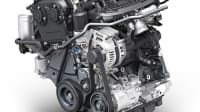
Automotive Engineering
Engine Technology a Decade Later
Automotive Engineering
New Four-Chamber Rotary Engine Could Supplant Wankel and Piston Engines for UAV Applications
Automotive Engineering
Chevrolet Delivers a Bombshell with First-Ever 4-Cylinder for Fullsize Pickups
Off-Highway Engineering
Cummins New X15 Engine Meets Upcoming Regs While Boosting Efficiency
Off-Highway Engineering
SwRI Rolls out Hydrogen Demonstration Truck
Automotive Engineering
New Axial-Piston Engine Aimed at Range Extenders, Military Applications
Automotive Engineering
GM details Corvette’s new and mighty LT6 V8
Off-Highway Engineering
Cummins’ X15 Is a Model of Design Efficiency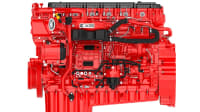
Off-Highway Engineering
JCB Debuts Clean-Sheet Hydrogen Combustion Engine
Off-Highway Engineering
MTU Training Facility Helps Keep Complex Engines up and Running
Automotive Engineering
Keeping Combustion in the Conversation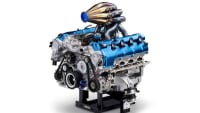
Off-Highway Engineering
Combustion Engines Carry on in Construction
Off-Highway Engineering
Detroit DD15 Gen 5 Showcases Durability of New Diesel Tech
Off-Highway Engineering
Perkins Bets Big on Smaller Engine for Off-Highway Machines
Off-Highway Engineering
Cummins, Tula Test ‘Dynamic’ Cylinder Deactivation for Diesels
Off-Highway Engineering
Navistar Updates A26 Engine, Improves FE by 4%
Off-Highway Engineering
Caterpillar Unveils New C13D Off-Highway Engine Platform
Top Stories
INSIDERManufacturing & Prototyping
 How Airbus is Using w-DED to 3D Print Larger Titanium Airplane Parts
INSIDERManned Systems
 FAA to Replace Aging Network of Ground-Based Radars
NewsTransportation
 CES 2026: Bosch is Ready to Bring AI to Your (Likely ICE-powered) Vehicle
NewsSoftware
 Accelerating Down the Road to Autonomy
EditorialDesign
 DarkSky One Wants to Make the World a Darker Place
INSIDERMaterials
 Can This Self-Healing Composite Make Airplane and Spacecraft Components Last...
Webcasts
Power
 E/E Architecture Redefined: Building Smarter, Safer, and Scalable...
Power
 Hydrogen Engines Are Heating Up for Heavy Duty
Automotive
 Advantages of Smart Power Distribution Unit Design for Automotive...
Transportation
 Quiet, Please: NVH Improvement Opportunities in the Early Design...
AR/AI
 A FREE Two-Day Event Dedicated to Connected Mobility
Power
 Powering America’s EV Future: Connect, Collaborate, Innovate