




Boeing to Leverage Aurora Acquisition for Technical Know-How
When considering Boeing’s recent acquisition of Aurora Flight Sciences, which was officially completed November 8, the question is not why a company like Boeing would be interested in such a 550-employee company, but what took so long.
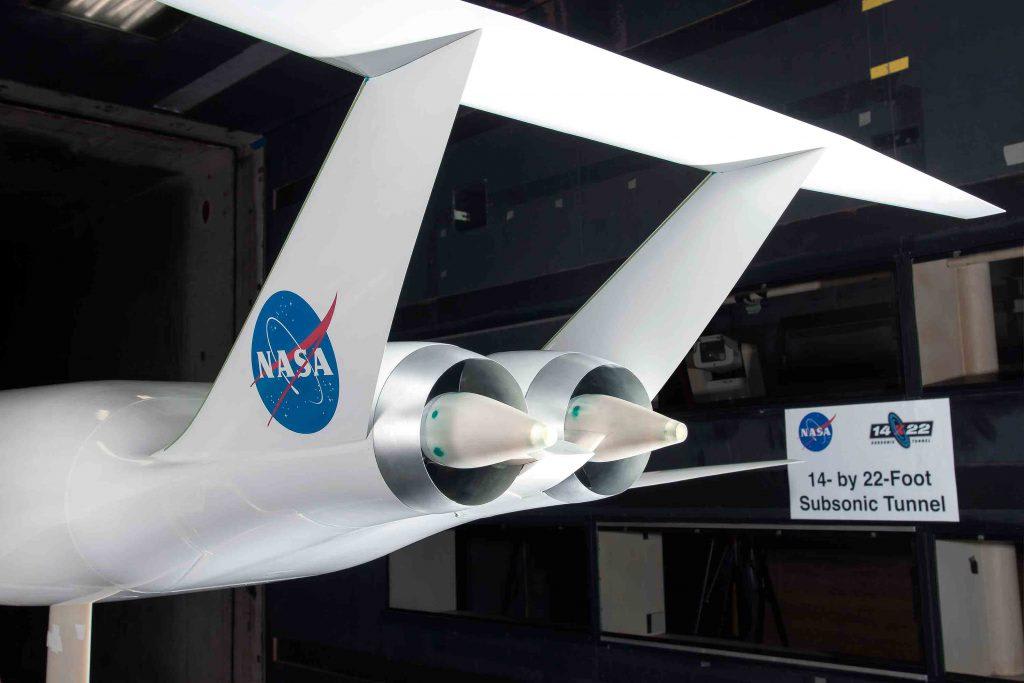
The technology-driven Aurora—described by Boing as a “world-class innovator, developer, and manufacturer of advanced aerospace platforms and autonomous systems”—has been involved in numerous NASA programs since its founding in 1989, and as recently as October 24 announced that it had been awarded a contract to perform a comprehensive evaluation of NASA’s Single-aisle Turboelectric Aircraft with Aft Boundary Layer propulsion (STARC-ABL) aircraft concept, a subsonic commercial tube-and-wing aircraft with conventional under-wing N+3 gas-turbine engines and a ducted, boundary layer ingesting (BLI) tail cone propulsor driven by a turboelectric propulsion system. Aurora will assist NASA in validating the system level performance of the STARC-ABL aircraft.


Aurora’s role within Boeing will fall under Boeing Engineering, Test & Technology as a subsidiary called Aurora Flight Sciences, A Boeing Company, and it seems the smaller company is definitively being embraced as an enabler for the acceleration of autonomous technology, including along such areas as machine learning and advanced flight control systems.
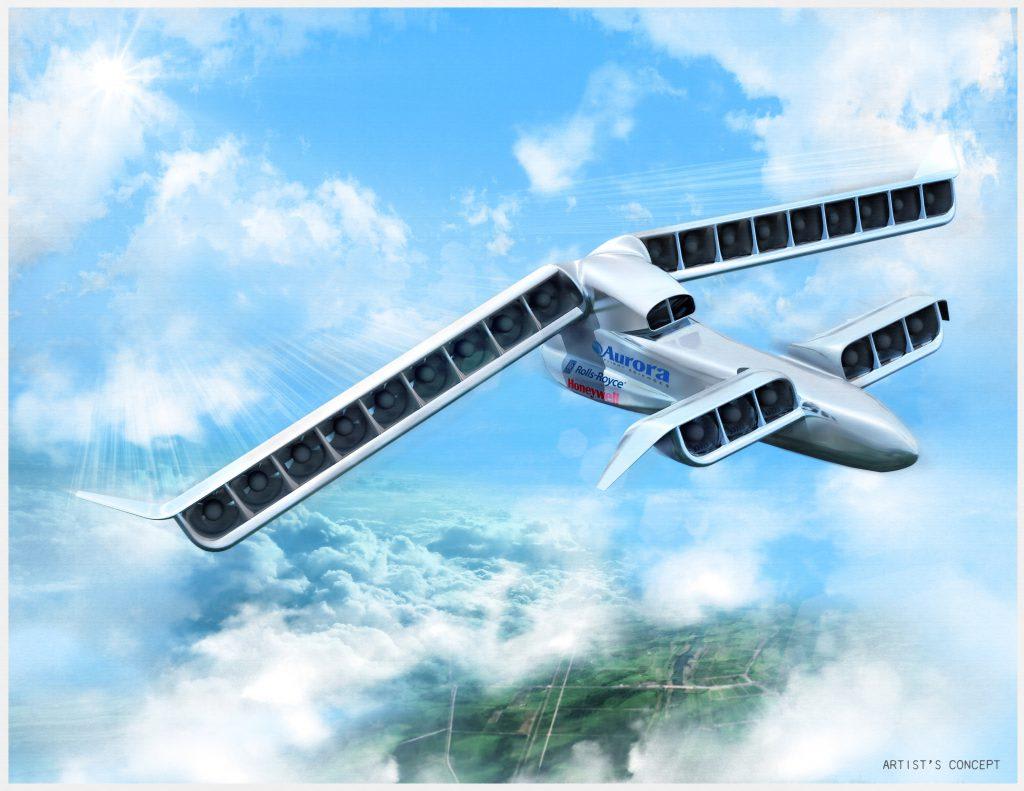
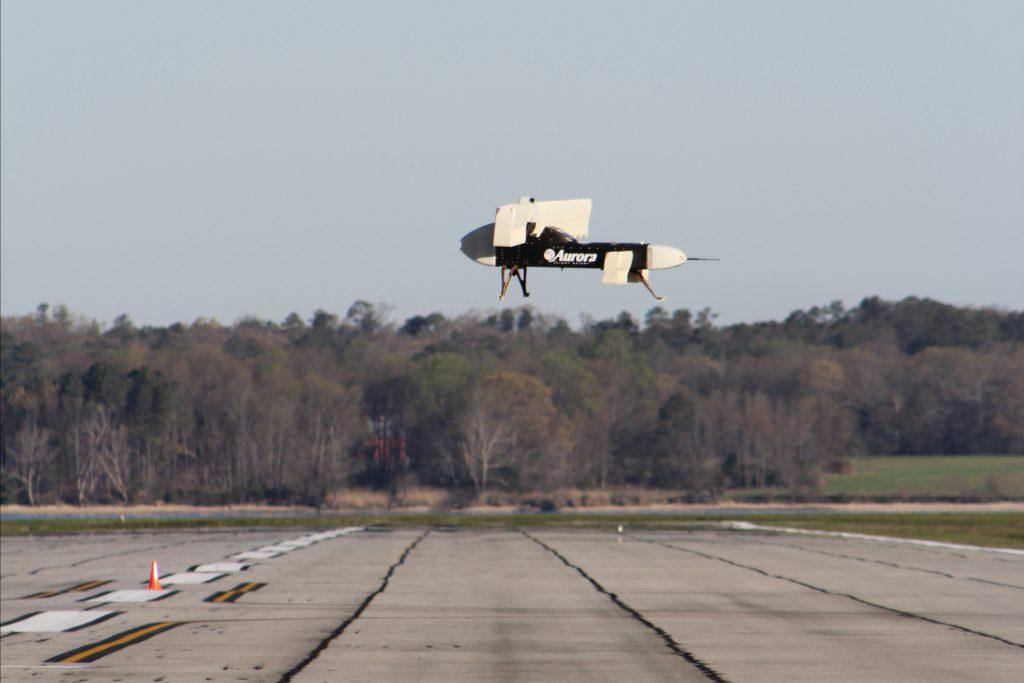
It is well equipped to do so with its expertise in both innovative electric aircraft designs and in high-performance aircraft for commercial applications. The company is also currently leading the development of DARPA’s XV-24A LightningStrike, a 12,000-lb hybrid-electric aircraft with 3 MW of electric power driving 24 electric fans. Aurora recently flew a fully autonomous, battery-powered subscale version of the XV-24A, which also serves as the basis for Aurora’s work on urban mobility platforms. In April 2017 Aurora was selected as one of Uber’s industrial partners for the Uber Elevate program.
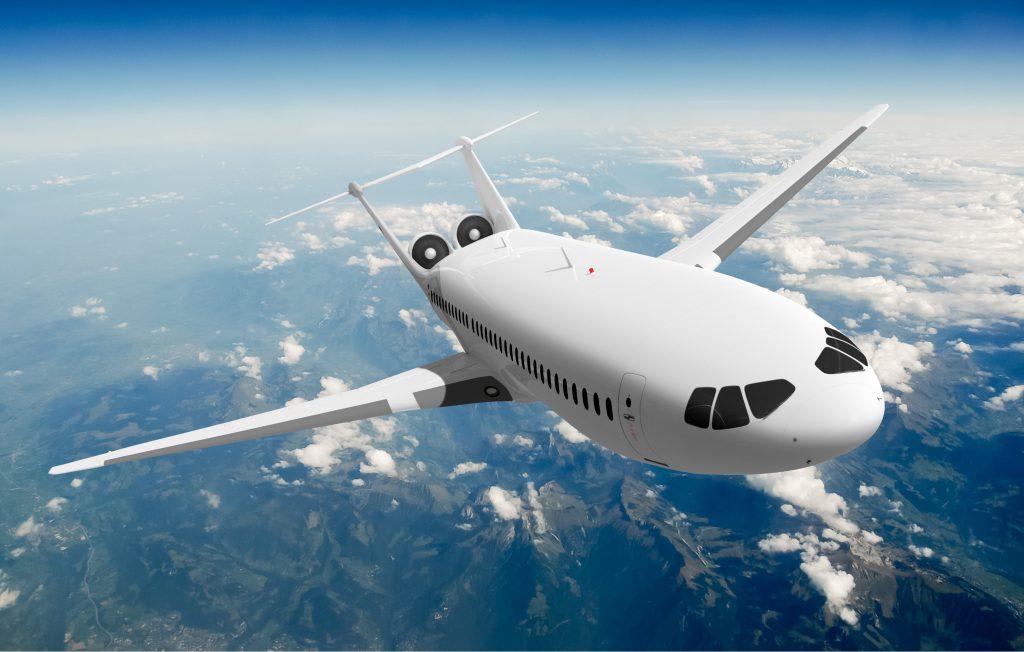
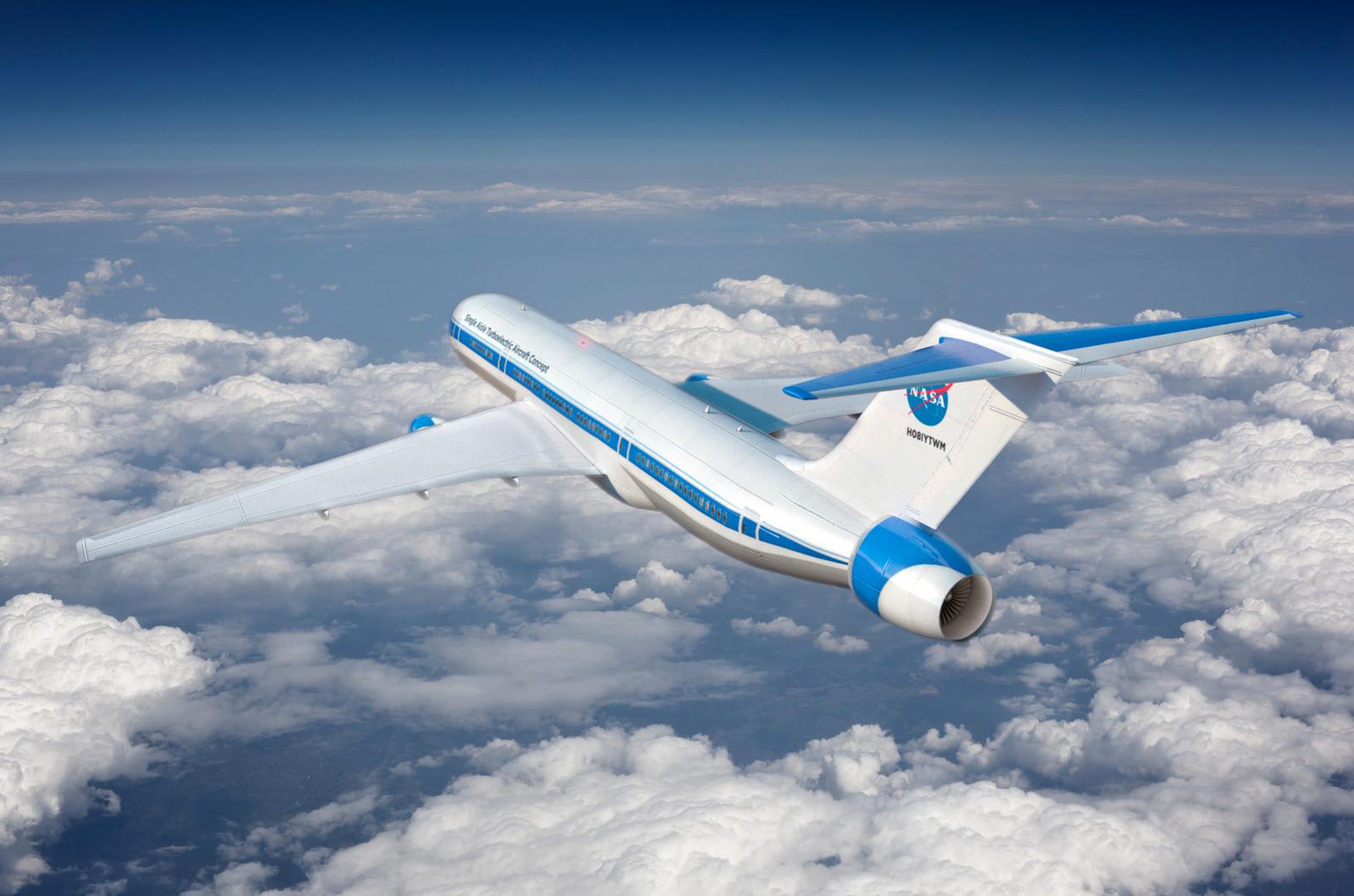
Aurora is also developing the D8, a commercial airliner with a "double-bubble" fuselage design for the 150-180 seat market. It features engines that are integrated into the back of the fuselage, whose double-bubble design also allows for smaller wings. Using composite structures, BLI, and high levels of autonomy, the D8 is expected to provide up to 50% reductions in fleet-wide fuel burn over designs currently in use. The D8 is being developed through the FAA CLEEN II program, the NASA New Aviation Horizons program, and Aurora internal funding.
More From SAE Media Group
Aerospace & Defense Tech Briefs
Vertical Flight Society Applauds EVTOL Innovation, Bell Nexus UAM Concept
Aerospace & Defense Tech Briefs
Rolls-Royce to Work with Airframe Manufacturers, Seek Partners for EVTOL Project
Aerospace & Defense Tech Briefs
Personal Air Transport Drives Need for Advanced VTOL Technologies, Standards
Aerospace INSIDER
Air Force Pilots Perform Remote Flights with Joby eVTOL

Aerospace & Defense Tech Briefs
Researchers Work to Uncover Turboelectric Propulsion’s Unknown Challenges
Aerospace & Defense Tech Briefs
Additive Manufacturing, Composites Help Grow Global Electric Aircraft Market
Aerospace INSIDER
Sikorsky is Designing a New Hybrid Electric Tilt Wing VTOL Demonstrator
Aerospace & Defense Tech Briefs
Boeing Completes Assembly of the First 777X
Aerospace & Defense Tech Briefs
Air Mobility Innovations Take Center Stage at Aerospace Systems and Technology Conference
Aerospace & Defense Tech Briefs
GoFly Prize Invites Innovators to Shape Future of Flight, Compete for $1.8M in Prizes
Aerospace & Defense Tech Briefs
Safran Completes First Ground Test of Distributed Hybrid Electric Propulsion System
Aerospace & Defense Tech Briefs
Bell Nexus Full-Scale Air Taxi Design Debuts, Taps Novel VTOL, Hybrid Propulsion, Energy Storage, and Avionics Technologies
Aerospace & Defense Tech Briefs
Rolls-Royce’s Race to Develop the World’s Fastest All-Electric Aircraft
Aerospace & Defense Tech Briefs
Hybrid Propulsion to Get Closer with the E-Fan X
Aerospace & Defense Tech Briefs
An X-Plane for Everyone?
Aerospace & Defense Tech Briefs
Boeing Debuts First Hypersonic Passenger Aircraft Concept
Aerospace & Defense Tech Briefs
Boeing’s CAV Makes First Outdoor Flight
Aerospace INSIDER
These Four Companies Will Build DARPA High-Speed VTOL X-Plane Prototypes
Aerospace & Defense Tech Briefs
MagniX and AeroTEC to Fly All-Electric ECaravan May 28
Aerospace INSIDER
Honeywell Develops Cooling System Upgrade for F-35 Engine
Aerospace & Defense Tech Briefs
NASA BLI Propulsor May Leapfrog Current High-Efficiency Designs
Aerospace INSIDER
Joby Aviation Announces Acoustic Data from NASA Testing
Aerospace & Defense Tech Briefs
Sikorsky-Boeing’s FVL Contender Takes Flight
NASA Spinoff
Swinging the HAMR
Aerospace & Defense Tech Briefs
Transport Canada Grants Astro Aerospace a Flight Test Certificate for Autonomous Urban Air Mobility Vehicle
Top Stories
INSIDERManufacturing & Prototyping
 How Airbus is Using w-DED to 3D Print Larger Titanium Airplane Parts
INSIDERManned Systems
 FAA to Replace Aging Network of Ground-Based Radars
NewsTransportation
 CES 2026: Bosch is Ready to Bring AI to Your (Likely ICE-powered) Vehicle
NewsSoftware
 Accelerating Down the Road to Autonomy
EditorialDesign
 DarkSky One Wants to Make the World a Darker Place
INSIDERMaterials
 Can This Self-Healing Composite Make Airplane and Spacecraft Components Last...
Webcasts
Defense
 How Sift's Unified Observability Platform Accelerates Drone Innovation
Automotive
 E/E Architecture Redefined: Building Smarter, Safer, and Scalable...
Power
 Hydrogen Engines Are Heating Up for Heavy Duty
Electronics & Computers
 Advantages of Smart Power Distribution Unit Design for Automotive...
Unmanned Systems
 Quiet, Please: NVH Improvement Opportunities in the Early Design...
