




ZED Connect Brings Mobile-Based ELD to Improve Safety and Service

One of the most-pressing topics for the trucking industry this year has been the new Federal Motor Carrier Safety Administration’s (FMCSA) rule requiring the use of electronic logging devices (ELD) in commercial vehicles involved in interstate commerce. Drivers currently using paper logs or logging software have until December 18, 2017, to comply, while drivers using automatic onboard recording devices (AOBRD) get an extended deadline to December 2019. Recognizing this new reality, Cummins created a separate company called ZED Connect that would provide an open data platform for customers across the industry to utilize.

The driving factor for the FMCSA to mandate the use of ELDs is safety. The new rule could help reduce 26 fatalities and 562 injuries from crashes for an annual safety benefit of almost $400 million. The mandate also hopes to improve the quality of hours-of-service (HOS) records, with more efficient data reporting improving driver uptime.
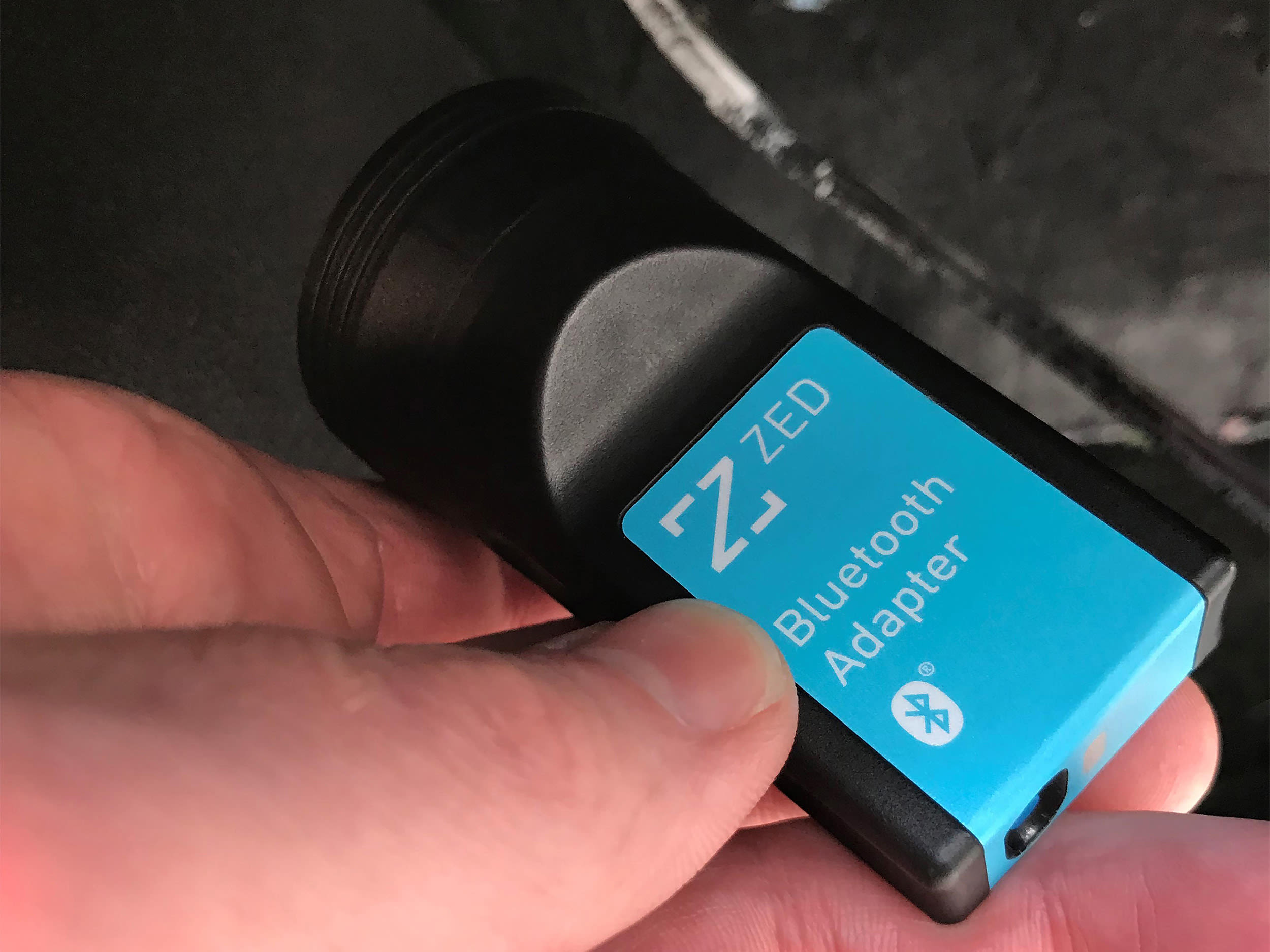
While dozens of ELDs have been self-certified to meet the FMCSA guidelines ( https://csa.fmcsa.dot.gov/ELD/List ), not all manufacturers are taking the same service approach for customers. ZED Connect is leveraging its research that 65-75% of drivers have smartphones to provide a mobile-based option with a low initial cost and no monthly fees. The ZED ELD tethers a small device from the OBD port through Bluetooth to the phone with its application. This removes the need for fleets to purchase new, large hardware and utilizes devices that drivers currently own.
“Our initial product is an ELD, but we are also building out a platform where we can provide a lot of additional value-added services to our customer base,” stated Chris Harlow, Director of Operations at ZED Connect. “We want to go way beyond just being compliant and create value for businesses like reducing operating costs, being more efficient and adding additional capacity.”
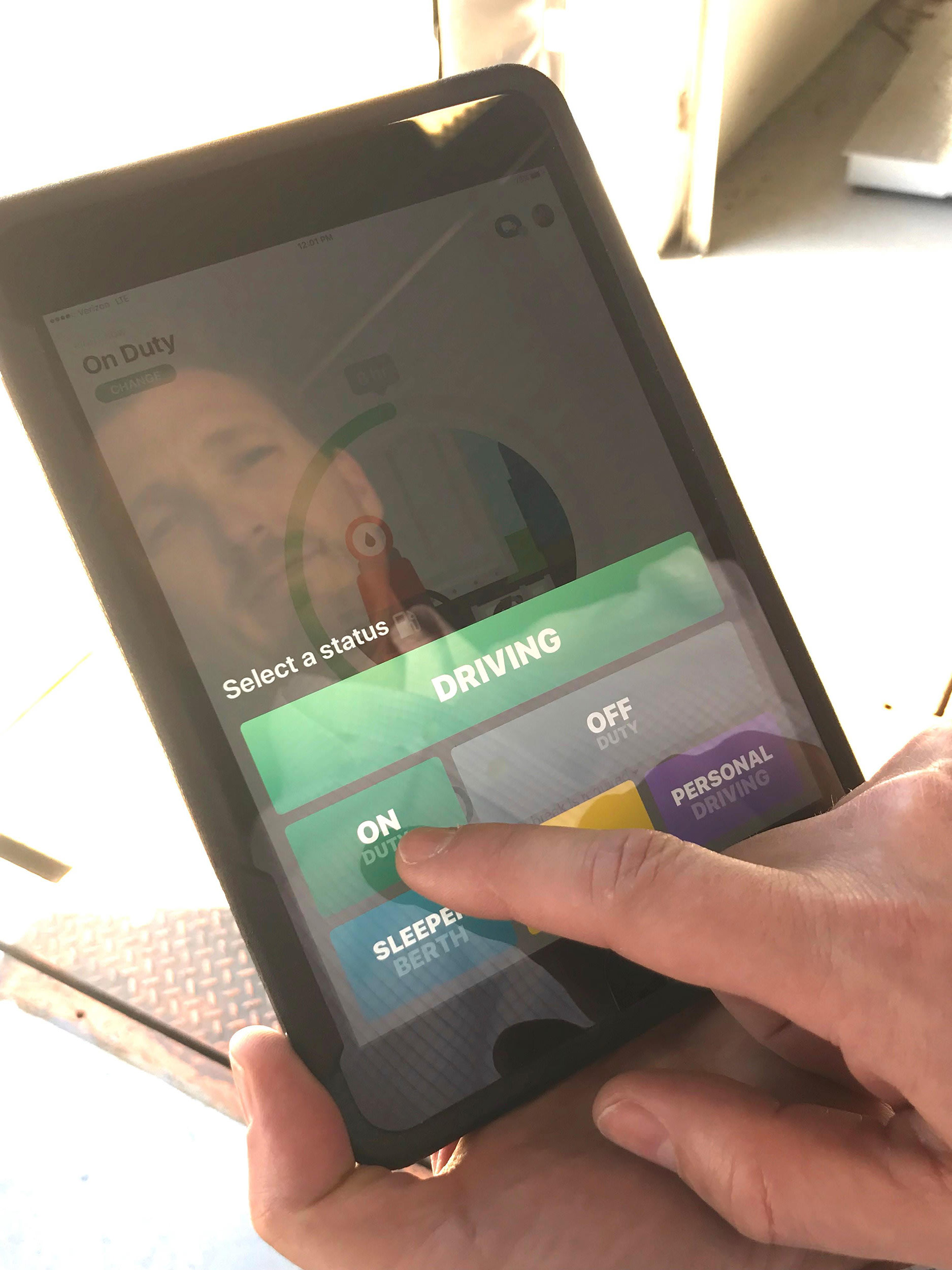
However, there has been resistance from drivers toward the new ELD mandate. To address some of those concerns, the FMCSA outlined rules to protect driver privacy as well as prevent any harassment by motor carriers. Electronic logs will only be available to FMCSA personnel or law enforcement during roadside inspections, compliance reviews or post-crash investigations. Also, the FMCSA will not retain any ELD data unless there is a violation. To mitigate any driver harassment, ELDs will come equipped with a mute button to ensure a driver is not interrupted in the sleeper berth and HOS records have limited edit abilities. Drivers are encouraged to report any harassment or coercion under protection from the Department of Labor’s whistleblower law.
An additional layer of customer protection that ZED Connect had to face was data security. While Cummins has experience with data collection and diagnostic tools for trained technicians, a telematics device with real-time engine monitoring was a new challenge for the company. The ELD device must synchronize with the engine electronic control module (ECM) to automatically capture data like engine power status, vehicle motion status, miles driven and engine hours. ZED Connect decided to use cloud-based encryption to secure data being transferred.
“We completely changed everything about how we design a product for something that is in the vehicle being used by the driver while it is moving,” explained Carlton Bale, Director of Product and Strategy. “We designed from the ground-up new ways of interfacing with the vehicle and vehicle data to ensure that we have security at every point in the chain to protect our users from any possible concerns.”
The ZED ELD is currently available to order online or through Cummins and independent dealerships nationwide. The company also recently announced a partnership with Pana-Pacific to carry the product.
The ELD rule may be an adjustment for many in the motor carrier industry; however, the mandate has support from safety advocates, motor carriers and members of Congress. It is designed to prevent drivers from being pressured into operating when fatigued and after reaching their HOS limit—a measure to keep all drivers safer on the road.
More From SAE Media Group
Automotive Engineering
OTA Updating Brings Benefits, Challenges
Off-Highway Engineering
Advanced Fleet Management
Off-Highway Engineering
Danfoss Introduces Robust Telematics Platform
Off-Highway Engineering
Separating the Right Signals from the Noise
Automotive Engineering
Xerox Eyes DSRC for Vehicle Infrastructure Support
Aerospace Manufacturing and Machining INSIDER
Army Launches CMOSS Prototyping Competition for Computer Chassis and Cards
Automotive Engineering
Securing the Software-Defined Vehicle
Automotive Engineering
Digging Deep for Cyber Security Solutions
Off-Highway Engineering
Europe’s Blockchain-Based Smart E-Mobility Challenge Will Conclude This May in Germany
Off-Highway Engineering
New Trends in Operator Awareness and Visibility in Off-Highway Equipment Design
Automotive Engineering
Intel's "Bumper-To-Bumper" Vehicle Security Approach
Off-Highway Engineering
Growth in Telematics Capabilities Bring More Benefits to More Users
Automotive Engineering
Continental’s Latest EHorizon Platform Expands Real-Time Driver Information
Automotive Engineering
Ford SmartLink Brings Wireless Connectivity to Older-Model Vehicles
Off-Highway Engineering
Enhanced Traceability for Asset Management
Automotive Engineering
Mission Critical: Cybersecurity
Off-Highway Engineering
Big Data’s Benefits Keep A-Comin’
Automotive Engineering
Bridging the Automotive/consumer Electronics Product Cycle Gap
Off-Highway Engineering
Mahindra Connects Vehicles Via Cloud-Based Technology Platform
Automotive Engineering
‘Zonal’ for the Win

Automotive Engineering
Sprint Velocity Adding Cloud-Based Features, Offering Retrofit
Automotive Engineering
Connectivity a Core Pillar at Navistar
Automotive Engineering
Systems Send Digital Telematics Information to Emergency Dispatchers
Automotive Engineering
Need for Cybersecurity Awareness for Managers Grows
Aerospace & Defense Tech Briefs
Unmanned Aircraft Must Rise Above Barriers for Commercial Applications
Automotive Engineering
All U.S. Toyotas to Be ‘Connected’ by 2020
Aerospace & Defense Tech Briefs
Marvin Test Solutions Tailors GX3800e PXI Express FPGA Module for Test, Automation, Instrumentation Engineering
Automotive Engineering
Electronic Feature Additions Challenge Carmakers to Control Costs
Automotive Engineering
Delphi Showcasing Next-Gen Autonomous System at CES 2017
Top Stories
INSIDERManufacturing & Prototyping
 How Airbus is Using w-DED to 3D Print Larger Titanium Airplane Parts
INSIDERManned Systems
 FAA to Replace Aging Network of Ground-Based Radars
NewsTransportation
 CES 2026: Bosch is Ready to Bring AI to Your (Likely ICE-powered) Vehicle
NewsSoftware
 Accelerating Down the Road to Autonomy
EditorialDesign
 DarkSky One Wants to Make the World a Darker Place
INSIDERMaterials
 Can This Self-Healing Composite Make Airplane and Spacecraft Components Last...
Webcasts
Defense
 How Sift's Unified Observability Platform Accelerates Drone Innovation
Automotive
 E/E Architecture Redefined: Building Smarter, Safer, and Scalable...
Power
 Hydrogen Engines Are Heating Up for Heavy Duty
Electronics & Computers
 Advantages of Smart Power Distribution Unit Design for Automotive...
Unmanned Systems
 Quiet, Please: NVH Improvement Opportunities in the Early Design...
