




DARPA Works Toward Unmanning Aircraft

DARPA’s Aircrew Labor In-cockpit Automation System (ALIAS) program envisions flight operations with reduced onboard aircrew while improving mission performance and flight safety. This is achieved with a tailorable, drop-in, removable kit that would provide advanced automation to existing aircraft.
The ALIAS demonstration system fits under the cabin floor and within the airframe of both fixed-wing aircraft and helicopters and quickly connects to an aircraft’s existing mechanical, electrical, and diagnostic systems. Through ALIAS, the pilot flies the aircraft by means of a tablet computer that recognizes familiar gestures such as swiping and tapping. Pilots can use the same tablet to fly ALIAS-equipped airplanes and helicopters.
DARPA has recently completed Phase 2 of this development effort, successfully completing flight demonstrations of ALIAS technology installed in two different Cessna 208 Caravan fixed-wing aircraft, a Diamond DA-42 fixed-wing aircraft, and a Sikorsky S-76 helicopter.
Phase 2 also included successful ground demonstrations of ALIAS responding to various simulated flight contingency events, such as system failures, that might cause pilots to deviate from pre-set plans or standard courses of action.
ALIAS was demonstrated to be quickly tailored to new platforms, and installation and removal of the kit did not impact airworthiness on any of the testbed aircraft.
“In Phase 2, we exceeded our original program objectives with two performers, Sikorsky and Aurora Flight Sciences, each of which conducted flight tests on two different aircraft,” said Scott Wierzbanowski, DARPA Program Manager. “In Phase 3, we plan to further enhance ALIAS’ ability to respond to contingencies, decrease pilot workload, and adapt to different missions and aircraft types. We’re particularly interested in exploring intuitive human-machine interface approaches—including using handheld devices—that would allow users to interact with and control the ALIAS system more easily. Ultimately, we want to design for and demonstrate the improved ALIAS system across as many as seven previously untested fixed- and rotary-wing platforms.”
DARPA has decided to partner on Phase 3 of ALIAS with Sikorsky, a Lockheed Martin company.
NASA, the U.S. Air Force, the U.S. Army, and the U.S. Navy have all expressed interest in ALIAS’ potential capabilities and are providing support to the program. These stakeholders and DARPA intend to continue working closely with the commercial and government aerospace community to identify potential transition opportunities for ALIAS technology.
More From SAE Media Group
Aerospace & Defense Tech Briefs
Sikorsky’s Autonomous Black Hawk Helicopter Takes Flight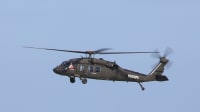
Aerospace & Defense Tech Briefs
DARPA's ALIAS Successfully Lands a Boeing 737 Simulator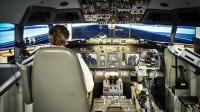
Aerospace & Defense Tech Briefs
Lockheed Martin’s Next-Gen, 360-Degree Vision System Flies on the Bell V-280 Valor
Aerospace & Defense Tech Briefs
Sikorsky-Boeing’s FVL Contender Takes Flight
Aerospace & Defense Tech Briefs
Collins Aerospace Brings Next Gen Avionics to Portuguese C-130s
Aerospace & Defense Tech Briefs
Sikorsky to Provide an ALIAS to DARPA
Aerospace & Defense Tech Briefs
L3 Makes Its C-130 Modernization Package Available to Global Operators
Aerospace & Defense Tech Briefs
General Atomics Moves Toward Global RPA Flight Certification for MQ-9B SkyGuardian
Aerospace & Defense Tech Briefs
F-35 and F-16 Ground Collision Avoidance Software Team Takes Collier Trophy
Aerospace & Defense Tech Briefs
NASA Crash Landing Is a Complete Success
Aerospace & Defense Tech Briefs
SAE International Establishes a New AI Standards Committee at Le Bourget
Aerospace & Defense Tech Briefs
Aitech Defense Will Provide Data Interface Technology for Boeing’s Unmanned MQ-25 Refueling Platform
Aerospace & Defense Tech Briefs
Aurora Proves Unmanned UH-1H Capabilities for Marines, Continues Orion UAS Work for USAF
Aerospace & Defense Tech Briefs
Big Data Takes to the Skies
Aerospace & Defense Tech Briefs
Engineering Smart Systems for Smart Air Travel, Balancing Human Constraints
Aerospace & Defense Tech Briefs
Northrop Grumman Will Develop Next-Gen Navigation System for U.S. Air Force
Aerospace & Defense Tech Briefs
Artificial Intelligence Could Reduce CV-22 Osprey Maintenance
Aerospace & Defense Tech Briefs
Gaming Tech Helps Apache Maintainers Reduce Training Time
Aerospace & Defense Tech Briefs
Curtiss-Wright Will Provide Data Technology Support for Boeing’s MQ-25 Unmanned Air Refueling Platform
Aerospace & Defense Tech Briefs
FAA Certifies AeroVonics' Economical Avionics Upgrade for Light General Aviation Aircraft
Aerospace & Defense Tech Briefs
Vertical Flight Society Applauds EVTOL Innovation, Bell Nexus UAM Concept
Aerospace & Defense Tech Briefs
Abaco’s FORCE2 Flight Computer Enables National and International Ground Control Station Certification
Aerospace & Defense Tech Briefs
Elbit Systems Takes to the Skies to Demonstrate SkyVis
Aerospace & Defense Tech Briefs
MagniX and AeroTEC to Fly All-Electric ECaravan May 28
Aerospace & Defense Tech Briefs
Gulfstream G500 Earns FAA Type and Production Certificates
Aerospace & Defense Tech Briefs
Collaborative Research Project Leads to Potentially Swarming VTOL UAVs
Aerospace & Defense Tech Briefs
Collins Aerospace Provides Avionics for C-130H Modernization Program
Aerospace & Defense Tech Briefs
Air Force Tests Fully Autonomous UAS Control System
Aerospace & Defense Tech Briefs
Raytheon, UTC Merger Will Direct $8B R&D Budget Toward Hypersonics, Cybersecurity, AI, and Next-Gen Connected Aircraft
Aerospace & Defense Tech Briefs
Battery Technology Is Still the Key Barrier to Better Urban Air Mobility
Top Stories
INSIDERManufacturing & Prototyping
 How Airbus is Using w-DED to 3D Print Larger Titanium Airplane Parts
INSIDERManned Systems
 FAA to Replace Aging Network of Ground-Based Radars
NewsTransportation
 CES 2026: Bosch is Ready to Bring AI to Your (Likely ICE-powered) Vehicle
NewsSoftware
 Accelerating Down the Road to Autonomy
EditorialDesign
 DarkSky One Wants to Make the World a Darker Place
INSIDERMaterials
 Can This Self-Healing Composite Make Airplane and Spacecraft Components Last...
Webcasts
Defense
 How Sift's Unified Observability Platform Accelerates Drone Innovation
Automotive
 E/E Architecture Redefined: Building Smarter, Safer, and Scalable...
Power
 Hydrogen Engines Are Heating Up for Heavy Duty
Electronics & Computers
 Advantages of Smart Power Distribution Unit Design for Automotive...
Unmanned Systems
 Quiet, Please: NVH Improvement Opportunities in the Early Design...
