




U.S. Air Force Concludes Redesigned TF33 Component Testing

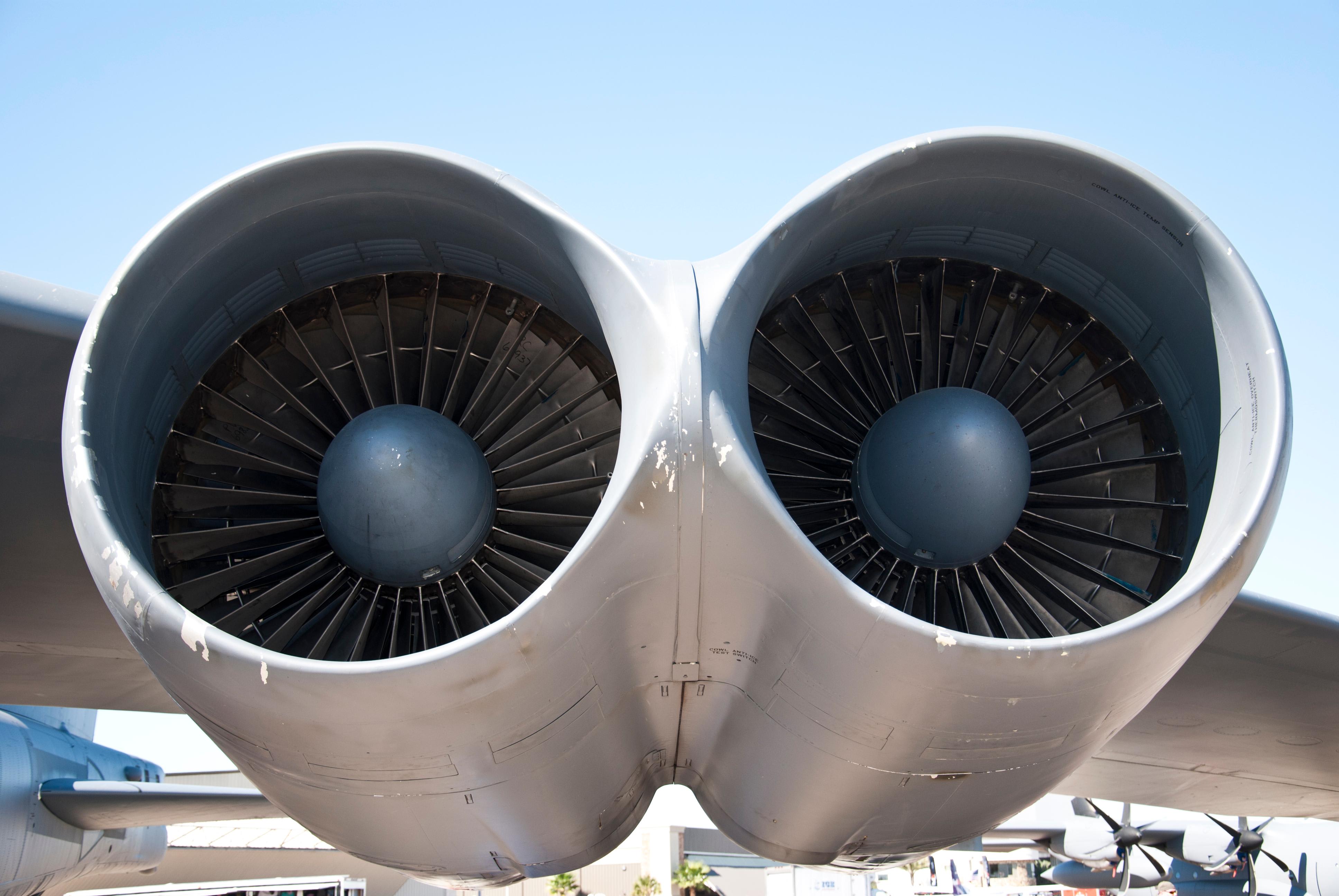
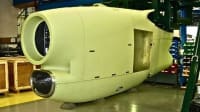
U.S. Air Force engineers successfully completed verification and validation of new Pratt & Whitney TF33 engine components at the Arnold Engineering Development Complex in Tennessee. These components—a newly redesigned inlet case and turbine exhaust case—are part of a package of upgrades developed to keep the nearly 65-year-old Boeing B-52 bomber in service into 2040 and beyond.
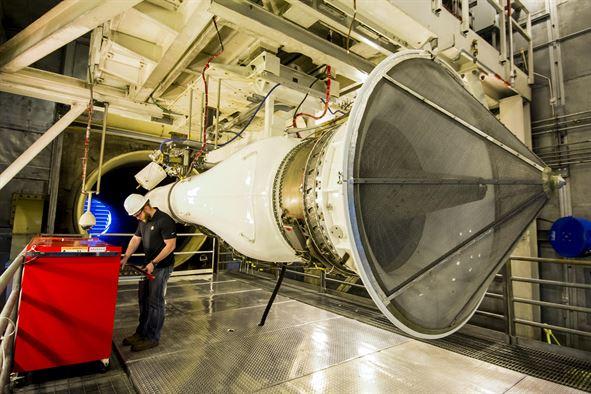
The accelerated mission testing simulated approximately one-half of an overhaul cycle of testing on the engine, running approximately 690 sea-level operating hours to test the structural integrity and durability of the new inlet and exhaust cases. Multiple performance calibrations were completed to determine if there were any new performance standards that stemmed from the redesigned components.
The test was requested by the TF33 Systems Program Office of the Air Force Life Cycle Management Center Propulsion Directorate (AFLCMC/LPS) at Tinker Air Force Base.
Dropping fuel prices and costly plans to re-engine the B-52H led P&W to develop upgrades that would reduce the cost of maintaining TF33 engines, which celebrated a 55th flight anniversary in March 2016. The new inlet case and turbine exhaust case preclude developing and replacing engine nacelles for the 76 B-52H aircraft still in service.
James Burt, TF33 equipment specialist with the AFLCMC/LPS, commented that working with AEDC on the TF33 accelerated mission testing proved to be an “outstanding experience.”
“We have had no engine issues and all test cell issues were worked and resolved very quickly with little to no test down time,” he said. “This has resulted in the smoothest TF33 AMT test to date and allowed the test to complete ahead of schedule.”

Testing was completed early with 55 successful air periods performed in 61 days. The testbed engine was a 17,000-lb thrust variant used aboard the B-52H Stratofortress airframe.
The last TF33 test was conducted in the ETF C-2 test cell in 1995, during which AEDC characterized cold weather starting techniques between JP4 and JP8 jet fuel.
More From SAE Media Group
Aerospace & Defense Tech Briefs
Three-Stream Engine Architecture Eyed for Next-Gen Military Aircraft
Aerospace & Defense Tech Briefs
Pratt & Whitney Receives $437M for Continued Adaptive Engine Development
Aerospace & Defense Tech Briefs
Mitsubishi Heavy Industries Aero Engines Completes Assembly of First Pratt & Whitney GTF PW1200G Engine
Aerospace & Defense Tech Briefs
Maintaining the Data-Rich Pratt & Whitney GTF Engine
Aerospace & Defense Tech Briefs
Parker Aerospace and GKN Aerospace to Develop Passive Cooling Solutions for Next-Generation Aircraft Engines
Aerospace & Defense Tech Briefs
GE’s Clean-Sheet Turboprop Engine to Launch with Textron Aviation
Aerospace & Defense Tech Briefs
Boeing’s 777X Finally Gets Its Engines

Aerospace & Defense Tech Briefs
Growing Pains (And Gains) of P&W's Pure Power Engine
Aerospace & Defense Tech Briefs
Ceramic Matrix Composites in Aircraft Engines Projected to Double over Five Years, Stratview Research Predicts
Aerospace & Defense Tech Briefs
Japan Signs on for Second Boeing KC-46 Military Tanker and Transport Aircraft
Aerospace & Defense Tech Briefs
GE Aviation Debuts Affinity, First Civil Supersonic Engine in 55 Years
Aerospace Manufacturing and Machining INSIDER
GE Concludes Phase 1 Testing on XA100 Adaptive Cycle Engine
Aerospace INSIDER
NASA, US Industry Advance Small Core Aircraft Engines
Aerospace & Defense Tech Briefs
Early Growing Pains Have Not Stopped Pratt & Whitney’s GTF Engine Orders
Aerospace & Defense Tech Briefs
New Boeing, Safran Joint Venture Dedicated to Developing Aircraft Auxiliary Power Units
Aerospace & Defense Tech Briefs
Maintainers Design a $400 Maintenance Fixture to save the U.S. Air Force $500k per Year
Aerospace & Defense Tech Briefs
S.S. White Technologies Lending Flexibility to New GE9X, 777X
Aerospace & Defense Tech Briefs
Safran and MTU Aero Engines to Co-Develop Engine for Sixth-Generation FCAS Fighter

Aerospace & Defense Tech Briefs
U.S. Army Signs up for GE Aviation Advanced Helicopter Engines
Aerospace & Defense Tech Briefs
Fanjet Evolution — the Next Steps
Aerospace & Defense Tech Briefs
2050 Aircraft Engine Designs Go Radical, Part 1
Aerospace & Defense Tech Briefs
GE Aviation Delivers Improved Turbine Engine During U.S. Army Preliminary Design Review

Aerospace Manufacturing and Machining INSIDER
Small Low-Cost Engines for Drones and Collaborative Combat Aircraft


Aerospace & Defense Tech Briefs
LEAP for Boeing 737 MAX Makes First Flight
Top Stories
INSIDERManufacturing & Prototyping
 How Airbus is Using w-DED to 3D Print Larger Titanium Airplane Parts
INSIDERManned Systems
 FAA to Replace Aging Network of Ground-Based Radars
NewsTransportation
 CES 2026: Bosch is Ready to Bring AI to Your (Likely ICE-powered) Vehicle
NewsSoftware
 Accelerating Down the Road to Autonomy
EditorialDesign
 DarkSky One Wants to Make the World a Darker Place
INSIDERMaterials
 Can This Self-Healing Composite Make Airplane and Spacecraft Components Last...
Webcasts
Defense
 How Sift's Unified Observability Platform Accelerates Drone Innovation
Automotive
 E/E Architecture Redefined: Building Smarter, Safer, and Scalable...
Power
 Hydrogen Engines Are Heating Up for Heavy Duty
Electronics & Computers
 Advantages of Smart Power Distribution Unit Design for Automotive...
Unmanned Systems
 Quiet, Please: NVH Improvement Opportunities in the Early Design...
