




TULIPP Project Aims to Improve ADAS Image Processing
A new European research initiative to develop high-performance, energy-efficient embedded systems for image-processing applications has implications for next-generation automotive ADAS (advanced driver-assistance systems).

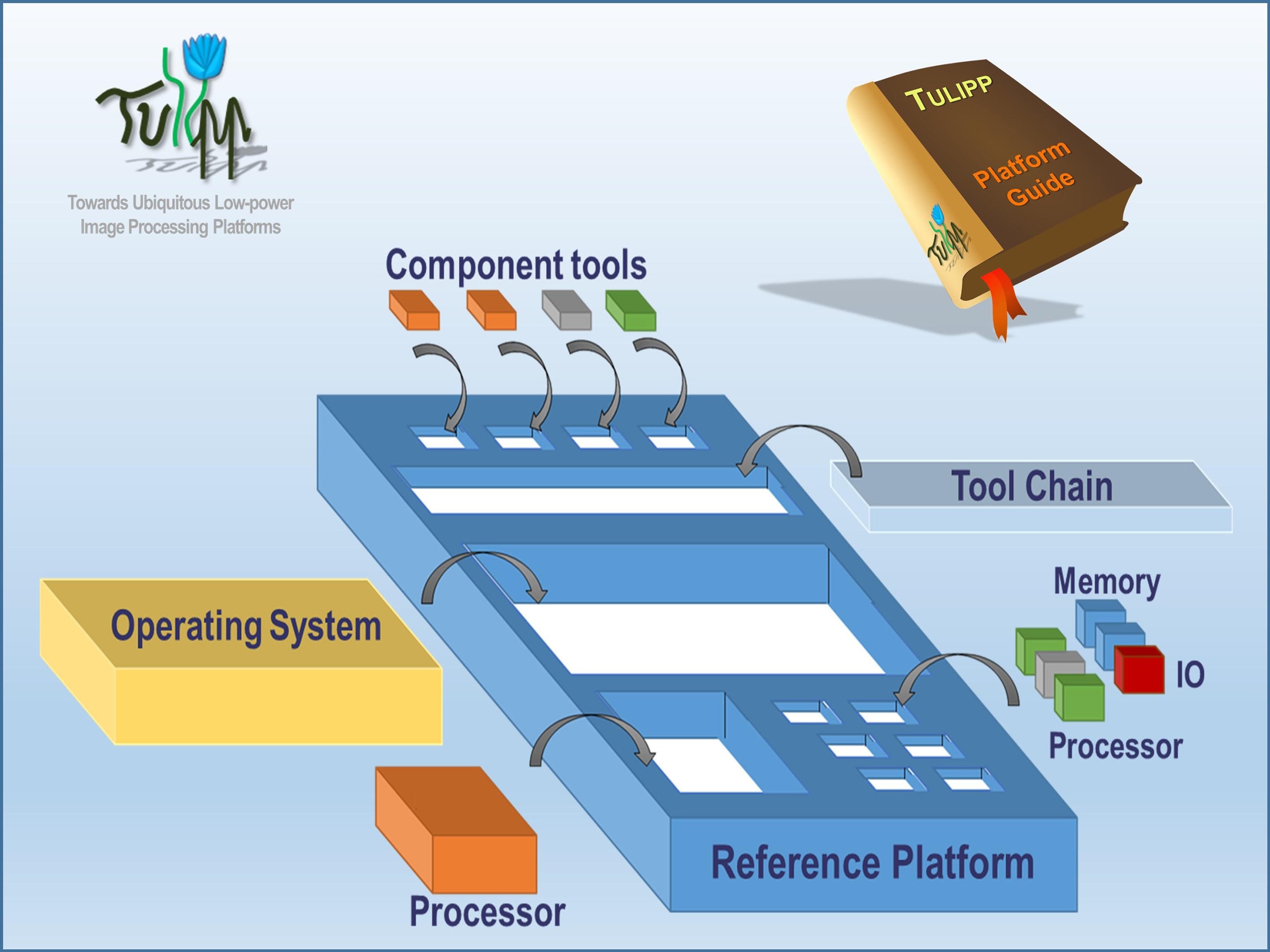
The TULIPP (Towards Ubiquitous Low-power Image Processing Platforms) research consortium aims to develop by 2018 a reference platform for vision-based system designers. The platform will incorporate guidelines that define various hardware and software parameters including power efficiency, with the goal of reducing development time and cost.
The guidelines will be used to develop a scalable low-power board designed to meet typical embedded-systems requirements of size, weight and power (SWaP), a low-power operating system and image processing libraries, and an energy-aware tool chain. One goal is to help software designers deal more easily with parallel programming issues presented by multicore devices, as well as the heterogeneity of different programming models and application program interfaces (APIs).
In addition, TULIPP will develop three use-case demonstrators as proof-of-concept and validation of the reference platform. The use cases will cover the emerging complex image processing requirements of various industry sectors including automotive, aerospace and medical. One use case involves a "smart" automotive embedded vision system for automotive ADAS that, in addition to the low-level image processing, will intelligently interpret what is on the images to deliver safer driving experiences.
“Image processing applications stretch across an increasingly broad range of industrial domains and are reaching a higher level of complexity than ever before,” said Philippe Millet of Thales and TULIPP project coordinator. “The TULIPP reference platform will give rise to significant advances in system integration, processing innovation and idle power management to cope with the challenges this presents in increasingly complex vision-based systems.”
When the project concludes in 2018, TULIPP expects its work to extend the peak performance-per-watt of image processing applications by 4x and average performance-per-watt by 10x. Beyond the official completion, it is expected that this will be extended to 100x and 200x by 2023. TULIPP is being funded with nearly €4 million from Horizon 2020, the EU's biggest research program. The organization has nearly €80 billion in funding available from 2014 to 2020 for bringing science and technology innovations to market.
TULIPP plans to work closely with various standards organizations to propose the formal adoption, on an industry-wide basis, of new standards derived from its reference platform.
The TULIPP consortium members represent both industry and academia. Along with project lead and coordinator Thales, the members include Efficient Innovation SAS, Fraunhofer IOSB, Hipperos, Norges Teknisk-Naturvitenskapelige Universitet, Ruhr-Universität Bochum, Sundance Multiprocessor Technology, and Synective Labs.
More From SAE Media Group
Off-Highway Engineering
Autocoding Shortens Development Time, Simplifies Validation
Automotive Engineering
Programming-Free LCD User Interface
Aerospace & Defense Tech Briefs
NASA Chooses CoreAVI Vulkan API for X-59 QueSST Supersonic, Low-Boom Aircraft
Aerospace Manufacturing and Machining INSIDER
Army Launches CMOSS Prototyping Competition for Computer Chassis and Cards
Automotive Engineering
New AUTOSAR Platform Offers More Freedom for Vehicle Electrical Architectures
Automotive Engineering
Renesas Increases Its Focus on Platforms
Aerospace & Defense Tech Briefs
US Army Tests Avionics in Effort to Upgrade Black Hawk Helicopters from Analog to Digital Glass Cockpit
Automotive Engineering
Nvidia Partners with AdaCore to Secure Self-Driving Firmware
Aerospace & Defense Tech Briefs
Automation Streamlines Accreditation to Speed Aerospace and Defense Technology Deployment
Automotive Engineering
Mid-Air Haptics Evaluation and Prototyping
Off-Highway Engineering
Enhanced Traceability for Asset Management
Automotive Engineering
Elektrobit, Nvidia, and Infineon Team up to Tackle Safety Systems
Aerospace & Defense Tech Briefs
How SpaceVPX is Influencing the Design of Next Generation Spacecraft Avionics
Automotive Engineering
Terabyte Data Storage by 2020 Will Drive Flash Usage
Aerospace & Defense Tech Briefs
Electronic Flight Bag Users Forum Focuses on Regulatory, AID, Security, Connectivity, Other Pressing Issues
Off-Highway Engineering
Hackers Aim to Exploit Vulnerabilities in CVs, Pushing Security to the Forefront
Aerospace & Defense Tech Briefs
Northrop Grumman and Green Hills Software Part of H-1 Upgrades
Automotive Engineering
Is Arm the Future for Airborne Platforms in Aerospace and Defense?
Off-Highway Engineering
Defense Agencies Focus on Electronic System Compatibility
Automotive Engineering
Multi-Core Safety Operating System


Automotive Engineering
NVIDIA's Next-Generation Autonomous Driving Platforms Use Macronix Secure Flash Memory
Off-Highway Engineering
Military System Designers Aren’t Resting on COTS Deployment
Aerospace & Defense Tech Briefs
SAE International Extends Call for Abstracts, Seeks Submissions for AeroTech Conference
Automotive Engineering
Next-Gen Electronic Controls: Open Source, Scalable and Integrated
Automotive Engineering
Silicon Drives Autonomy Movement
Automotive Engineering
Intel Inside the Cloud-Based Data Future
Aerospace & Defense Tech Briefs
Marvin Test Solutions Tailors GX3800e PXI Express FPGA Module for Test, Automation, Instrumentation Engineering
Top Stories
INSIDERManufacturing & Prototyping
 How Airbus is Using w-DED to 3D Print Larger Titanium Airplane Parts
INSIDERManned Systems
 FAA to Replace Aging Network of Ground-Based Radars
NewsTransportation
 CES 2026: Bosch is Ready to Bring AI to Your (Likely ICE-powered) Vehicle
NewsSoftware
 Accelerating Down the Road to Autonomy
EditorialDesign
 DarkSky One Wants to Make the World a Darker Place
INSIDERMaterials
 Can This Self-Healing Composite Make Airplane and Spacecraft Components Last...
Webcasts
Defense
 How Sift's Unified Observability Platform Accelerates Drone Innovation
Automotive
 E/E Architecture Redefined: Building Smarter, Safer, and Scalable...
Power
 Hydrogen Engines Are Heating Up for Heavy Duty
Electronics & Computers
 Advantages of Smart Power Distribution Unit Design for Automotive...
Unmanned Systems
 Quiet, Please: NVH Improvement Opportunities in the Early Design...
