




CMOS Image Sensor

Toshiba America Electronic Components, Inc. has unveiled its newest CMOS image sensor for automotive cameras. The CSA02M00PB is claimed to be the industry’s first 2-megapixel CMOS image sensor to be equipped with LED flicker (pulsed LED) mitigation circuit to minimize image flicker caused by LED light sources. When recording LED traffic lights and signs with conventional CMOS image sensors, the output image often flickers, hindering sensing accuracy. Toshiba designed the CSA02M00PB to curtail this flickering and deliver clearer images for faster, more accurate image sensing. The new sensor integrates Toshiba's next-generation High Dynamic Range (HDR) system and backside illumination (BSI) process, which together enable recording of high-precision images. The HDR system uses Toshiba's single-frame method to achieve clear images free of the degraded resolution and blown-out highlights typical of high contrast-light conditions. The BSI process makes it possible to shoot brighter pictures with higher image quality in low light conditions. The sensor meets the requirements of Automotive Safety Integrity Level (ASIL), a risk classification scheme defined by ISO 26262 (the Functional Safety for Road Vehicles standard intended to protect life), and support failure detection, report flagging and control of vehicles. It is also compliant with AEC-Q100 Grade 2 and is suited for both ADAS front-end sensing cameras and viewing applications such as e-Mirror and camera monitor systems. Image output ranges from 45 to 60 frames/s, depending on the HDR exposure condition. Housed in a 9 x 9-mm PBGA package, the sensor features full-HD output resolution of 1928(H) x 1084(V) and dynamic range of 120 dB (by Toshiba calculation) with HDR. The MIPI CSI-2 serial interface facilitates integration into end products. Samples of the CSA02M00PB CMOS image sensor will begin shipping in March 2016.
More From SAE Media Group
Off-Highway Engineering
All-Round View Camera System
Automotive Engineering
Image Sensor
Automotive Engineering
120dB Lens for HDR Sensors
Automotive Engineering
1.0 Megapixel Imaging SOCs
Automotive Engineering
1.7-Megapixel Automotive Image Sensor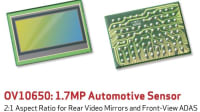
Automotive Engineering
Cars Look Inside Themselves
Automotive Engineering
Osram and Vergence Automation Develop New Lidar and 4D Camera for Autonomous Vehicles
Automotive Engineering
Lightweight Thermal Camera Core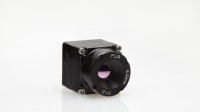
Automotive Engineering
Camera and Sensor Wash System
Automotive Engineering
Lidar Heats up as Sensor Demand Rises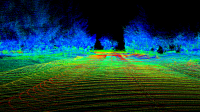
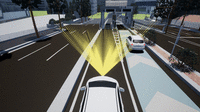
Automotive Engineering
CES 2017: Honda Partners with VocalZoom to Advance Speech-Recognition Technology

Automotive Engineering
Brushed Motor Pre-Driver IC
Automotive Engineering
Making the Case for MEMS Timing
Aerospace Manufacturing and Machining INSIDER
Army Launches CMOSS Prototyping Competition for Computer Chassis and Cards
Automotive Engineering
Next-Generation LED Drivers for Front, Rear Lights
Tech Briefs
New on the Market: January 2020
Automotive Engineering
Long-Body LED Indicators
Off-Highway Engineering
Case Shifts to Enhanced Communications, LEDs
Automotive Engineering
Thumbs up for Gesturing with Time-Of-Flight Cameras?
Automotive Engineering
Hella's Vehicle-Damage Detection Technology Moves Toward Production
Automotive Engineering
Actuator Sensor Manipulation Box
Aerospace & Defense Tech Briefs
Rockwell Collins and Elbit Show off F-35 Gen III Helmet at Farnborough
Aerospace & Defense Tech Briefs
How SpaceVPX is Influencing the Design of Next Generation Spacecraft Avionics

Automotive Engineering
High-Speed Camera
Automotive Engineering
High-Performance Redundant Linear Hall Sensor
Off-Highway Engineering
Filtering out Common Mode Noise with Monolithic EMI Filters
Off-Highway Engineering
Dynamic Inclination Sensor
Top Stories
INSIDERManufacturing & Prototyping
 How Airbus is Using w-DED to 3D Print Larger Titanium Airplane Parts
INSIDERManned Systems
 FAA to Replace Aging Network of Ground-Based Radars
NewsTransportation
 CES 2026: Bosch is Ready to Bring AI to Your (Likely ICE-powered) Vehicle
NewsSoftware
 Accelerating Down the Road to Autonomy
EditorialDesign
 DarkSky One Wants to Make the World a Darker Place
INSIDERMaterials
 Can This Self-Healing Composite Make Airplane and Spacecraft Components Last...
Webcasts
Defense
 How Sift's Unified Observability Platform Accelerates Drone Innovation
Automotive
 E/E Architecture Redefined: Building Smarter, Safer, and Scalable...
Power
 Hydrogen Engines Are Heating Up for Heavy Duty
Electronics & Computers
 Advantages of Smart Power Distribution Unit Design for Automotive...
Unmanned Systems
 Quiet, Please: NVH Improvement Opportunities in the Early Design...
