




Automotive Engineering - January 2016
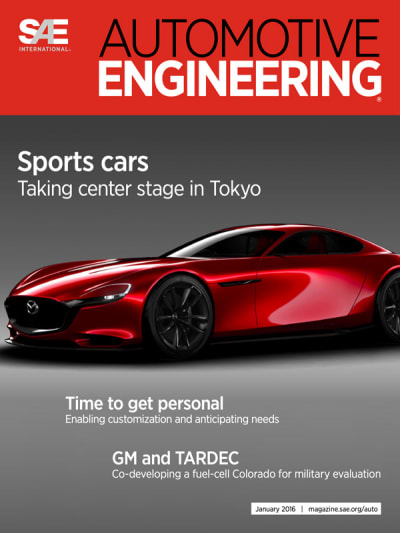
Inside this issue
Overview
The January 2016 issue of Automotive Engineering presents a comprehensive overview of the latest advancements and trends in the automotive industry, focusing on technology, innovation, and collaboration among key players. This edition is packed with insights into various sectors, including military applications, vehicle customization, and the evolution of sports cars.
Key Highlights:
-
GM and TARDEC Collaboration: A significant feature of this issue is the partnership between General Motors (GM) and the U.S. Army's Tank Automotive Research, Development and Engineering Center (TARDEC). Together, they are co-developing a fuel-cell powered Chevrolet Colorado, which is being evaluated for military use. This initiative underscores the growing interest in alternative fuel technologies and their potential applications in military operations, where efficiency and sustainability are paramount.
-
Technological Innovations in Vehicle Customization: The magazine delves into how industry engineers are leveraging modern technologies such as apps, voice recognition, cloud computing, and artificial intelligence to enhance vehicle customization. This trend aims to create a more personalized driving experience, allowing drivers to tailor their vehicles to better meet their needs and preferences. The integration of these technologies signifies a shift towards more interactive and user-friendly automotive environments.
-
Sports Cars in Tokyo: The issue also covers the vibrant showcase of sports cars at the Tokyo Motor Show. This event highlights the latest designs and technological advancements in high-performance vehicles, reflecting the industry's commitment to innovation and aesthetic appeal. The spotlight on sports cars emphasizes the ongoing competition among manufacturers to push the boundaries of speed, efficiency, and design.
Powertrain Developments: The magazine features a technology report on the latest advancements in powertrain systems, including the emergence of eSuperchargers. These systems are designed to enhance engine performance and efficiency, addressing the growing demand for powerful yet fuel-efficient vehicles. The report discusses how these innovations are shaping the future of automotive engineering.
-
Safety and Connectivity: Another critical area of focus is the collaboration among companies like Elektrobit, Nvidia, and Infineon to tackle safety systems in vehicles. As vehicles become increasingly connected, ensuring the safety and security of these systems is vital. The issue discusses the importance of developing robust safety protocols to protect against potential cyber threats, which is a growing concern in the era of connected vehicles.
-
Aerodynamics and Efficiency: The magazine also addresses the importance of aerodynamics in vehicle design, highlighting a discussion on the aerodynamic performance of various vehicles. The editors clarify misconceptions regarding the aerodynamics of the Mercedes Concept IAA, emphasizing that its record-breaking claims pertain specifically to four-door, four-seat vehicles. This segment underscores the ongoing quest for improved fuel efficiency through better aerodynamic designs.
-
Industry Insights and Editorial Commentary: The editorial section provides insights into the current state of the automotive industry, reflecting on the challenges and opportunities that lie ahead. The editors encourage readers to critically evaluate the information presented in the magazine, promoting an independent assessment of the automotive landscape.
-
Upcoming Trends and Events: The issue outlines upcoming technology newsletters and print magazines focusing on various aspects of automotive engineering, including cybersecurity, new engine technologies, and advancements in vehicle electrical architectures. This forward-looking perspective keeps readers informed about the latest developments and trends that will shape the future of the industry.
-
Product Briefs and Advertisements: The magazine includes product briefs that spotlight the latest sensors and technologies available in the market, providing readers with insights into new tools and solutions that can enhance automotive engineering practices. Additionally, the ad index offers a glimpse into the companies and products that are currently making waves in the industry.
In summary, the January 2016 issue of Automotive Engineering serves as a vital resource for professionals and enthusiasts alike, offering a detailed look at the innovations and collaborations that are driving the automotive industry forward. From military applications of fuel-cell technology to the personalization of vehicles through advanced technologies, this issue encapsulates the dynamic nature of automotive engineering and the exciting developments on the horizon. The magazine not only informs but also inspires readers to engage with the evolving landscape of automotive technology.
Features
-
Articles
Regulars
-
Global Vehicles
2017 Ford Escape Gains Major NVH, Powertrain, Connectivity Upgrades
-
Technology Reports
GM and TARDEC Co-Developing Fuel Cell Powered Chevrolet Colorado for Military Evaluation
Stories
-
News
Low-Friction Techniques Push Advanced City-Car Project Toward 84-Mpg Target
Cyber Security Requires Preparedness
GT350 Mustang Features Novel Composite Structural Component
Renesas Increases Its Focus on Platforms
GM Powertrain Gets More Proactive with CAE
China’s New “Automotive Dragons” Faraday and Baidu Target EV, Autonomous Leadership
SAE Security Guideline Set to Provide Structure for Connected Vehicles
How Land Rover Took the Lid off the Evoque
Ford Pumps .5B into Electrifying 40% of Its Global Product Line by 2020
Nissan's New Twin-Turbo V6 Powers 2016 Infiniti Q50
Top Stories
INSIDERManufacturing & Prototyping
 How Airbus is Using w-DED to 3D Print Larger Titanium Airplane Parts
INSIDERManned Systems
 FAA to Replace Aging Network of Ground-Based Radars
NewsTransportation
 CES 2026: Bosch is Ready to Bring AI to Your (Likely ICE-powered) Vehicle
NewsSoftware
 Accelerating Down the Road to Autonomy
EditorialDesign
 DarkSky One Wants to Make the World a Darker Place
INSIDERMaterials
 Can This Self-Healing Composite Make Airplane and Spacecraft Components Last...
Webcasts
Defense
 How Sift's Unified Observability Platform Accelerates Drone Innovation
Automotive
 E/E Architecture Redefined: Building Smarter, Safer, and Scalable...
Power
 Hydrogen Engines Are Heating Up for Heavy Duty
Electronics & Computers
 Advantages of Smart Power Distribution Unit Design for Automotive...
Unmanned Systems
 Quiet, Please: NVH Improvement Opportunities in the Early Design...
