




Automotive Engineering - October 2019
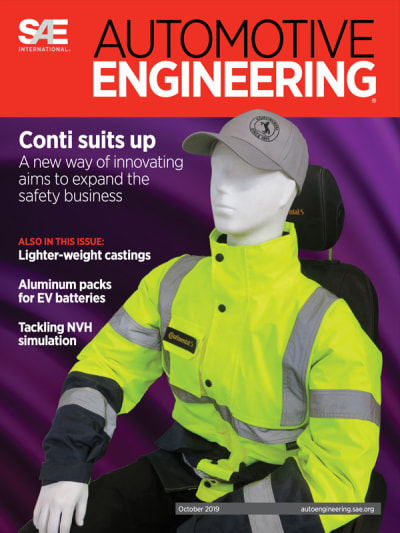
Inside this issue
Overview
The October 2019 issue of Automotive Engineering delves into the evolving landscape of the automotive industry, particularly focusing on the communication of technical advancements by automakers. The editorial, penned by Bill Visnic, highlights a concerning trend where automotive companies are increasingly neglecting to share the intricate engineering stories behind their products. Instead, marketing efforts have shifted towards superficial aesthetics, with press kits favoring exterior and interior beauty shots over detailed technical information.
Visnic notes that the once-rich press materials, which included cutaway images and technical drawings, have been replaced by a lack of substantive content. This shift is attributed to various factors, including the rise of non-technical personnel in decision-making roles and the influence of social media, which often prioritizes lifestyle over engineering narratives. The editorial emphasizes the need for a resurgence of engineering-focused communication to effectively convey the innovations and technical mastery of automotive manufacturers, especially as the industry faces a wave of electric vehicles and transformative technologies.
The issue also features a range of articles that explore significant advancements in automotive technology. One highlight is the coverage of the all-new mid-engine 2020 Corvette, which showcases GM's commitment to performance and engineering excellence. The article provides insights into the design and engineering challenges faced during the development of this iconic sports car, emphasizing its status as an "Everyman’s Supercar."
Additionally, the magazine discusses the future of the internal combustion engine (ICE) amidst the growing dominance of electric and hydrogen-powered vehicles. An article titled "Extending the ICE Age" presents various innovative approaches to enhance ICE efficiency, including new combustion systems and the potential use of biofuels. This perspective offers a balanced view of the ongoing relevance of traditional engines in a rapidly changing automotive landscape.
The issue also touches on the importance of lightweight materials in vehicle design, particularly in the context of electric vehicles (EVs). As manufacturers strive to improve efficiency and range, the use of lighter-weight castings and advanced materials becomes crucial. The magazine highlights how these innovations not only contribute to performance but also play a significant role in meeting regulatory standards for emissions and fuel economy.
In addition to technical advancements, the issue addresses the challenges faced by automotive journalists in covering these developments. Visnic points out the diminishing number of reporters equipped to tackle complex technical subjects, which further complicates the communication of engineering stories to the public. This situation raises questions about how automakers can effectively differentiate their products in a market increasingly focused on lifestyle branding.
The magazine also includes a section dedicated to industry news, featuring updates on various automotive companies and their latest initiatives. This includes information on partnerships, technological collaborations, and upcoming vehicle launches, providing readers with a comprehensive overview of the current state of the automotive sector.
Overall, the October 2019 issue of Automotive Engineering serves as a critical reflection on the state of automotive communication and the importance of engineering narratives in an era dominated by lifestyle marketing. It calls for a renewed focus on the technical aspects of vehicle development, urging manufacturers to share their engineering stories more effectively. As the industry navigates the transition towards electric and alternative fuel vehicles, the need for clear and compelling communication of technological advancements becomes increasingly vital.
In summary, this issue not only highlights the latest innovations in automotive engineering but also emphasizes the need for a shift in how these advancements are communicated to the public. By prioritizing engineering narratives, automakers can better convey their expertise and maintain their relevance in a rapidly evolving market.
Features
-
Articles
Casting Around for Lightweighting Solutions
The New Gas Tank: Constellium Preps Its First OEM Battery Tray
Regulars
-
What We're Driving
-
Technology Reports
Continental Tire Rolls Towards a Smart and Connected Future
GKN Spreads Premium Propshaft Tech to Quiet Pickup Cabins
Cutting Weight Seen as less Important in Automated and Shared Vehicles
-
Road Ready
New-Generation Nissan Versa Breaks for Higher Ground
2019 Frankfurt Auto Show: Porsche Unveils Taycan Electric Sedan
Mercedes-Benz EQS Concept: The S-Class of Electric Vehicles?
-
What’s Online
AB Dynamics Supports Germany’s PEGASUS Project Test of Multiple Autonomous Vehicle Control
Fuel-Cell Nanoparticle Clusters May Cut Platinum Catalyst Costs
Stories
Top Stories
INSIDERManufacturing & Prototyping
 How Airbus is Using w-DED to 3D Print Larger Titanium Airplane Parts
INSIDERManned Systems
 FAA to Replace Aging Network of Ground-Based Radars
NewsTransportation
 CES 2026: Bosch is Ready to Bring AI to Your (Likely ICE-powered) Vehicle
NewsSoftware
 Accelerating Down the Road to Autonomy
EditorialDesign
 DarkSky One Wants to Make the World a Darker Place
INSIDERMaterials
 Can This Self-Healing Composite Make Airplane and Spacecraft Components Last...
Webcasts
Defense
 How Sift's Unified Observability Platform Accelerates Drone Innovation
Automotive
 E/E Architecture Redefined: Building Smarter, Safer, and Scalable...
Power
 Hydrogen Engines Are Heating Up for Heavy Duty
Electronics & Computers
 Advantages of Smart Power Distribution Unit Design for Automotive...
Unmanned Systems
 Quiet, Please: NVH Improvement Opportunities in the Early Design...
Power

Similar Stories
ArticlesSoftware

NewsManufacturing & Prototyping

NewsPower
 GKN Spreads Premium Propshaft Tech to Quiet Pickup Cabins


