




Aerospace & Defense Technology - May 2020
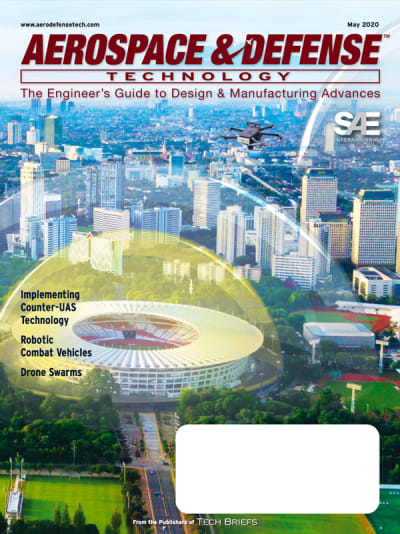
Inside this issue
Overview
The May 2020 issue of Aerospace & Defense Technology presents a comprehensive exploration of advancements in the fields of unmanned systems, robotics, and counter-drone technologies. This edition features a variety of articles that delve into the latest innovations and challenges faced by the aerospace and defense sectors.
Key Features
-
Robotics and Unmanned Systems: The issue opens with a focus on the integration of robotics in aerospace applications, particularly in Unmanned Aerial Vehicles (UAVs) and Unmanned Ground Vehicles (UGVs). A notable article discusses how connectors are being designed to reduce Size, Weight, and Power (SWaP) burdens in UAVs, which is crucial for enhancing their operational efficiency and effectiveness.
-
Counter-UAS Technology: A significant feature article addresses the current state of counter-UAS (Unmanned Aerial Systems) technology in the United States. It highlights the regulatory challenges that hinder the deployment of advanced counter-drone systems, despite the availability of cutting-edge technologies capable of protecting public spaces from drone threats. The article emphasizes the need for clearer regulations to facilitate the implementation of these protective measures, especially in high-risk environments like stadiums and large gatherings.
-
Drone Swarms: The magazine also explores the concept of drone swarms, which are groups of drones that can operate collaboratively to achieve complex tasks. This technology has potential applications in both military and civilian contexts, including surveillance, search and rescue operations, and environmental monitoring. The article discusses the technological advancements that enable effective communication and coordination among multiple drones, enhancing their operational capabilities.
Robotic Combat Vehicles: Another feature focuses on the development of robotic combat vehicles, which are increasingly being integrated into military operations. The article examines the design and functionality of these vehicles, including their ability to operate autonomously in combat scenarios. The effectiveness of these systems in urban operations is also assessed, highlighting their potential to reduce risks to human soldiers while maintaining operational effectiveness.
Technical Briefs
The issue includes several technical briefs that provide insights into specific research and development efforts in the field:
- Inter-Vehicle Communications: A study on the effectiveness of communication systems between unmanned vehicles, which is critical for coordinated operations in complex environments.
- Guidance, Navigation, and Control Algorithms: An exploration of systems engineering approaches to develop algorithms that enhance the navigation and control of UGVs.
- Validation of Coordination Models: Research on validating architecture models for the coordination of unmanned air and ground vehicles through experimental methods.
- Combat UGV Swarm Effectiveness: An assessment of how combat UGV swarms can be utilized effectively in urban operations, providing insights into their tactical advantages.
Departments and Additional Content
The magazine also features various departments, including application briefs and new product announcements, which highlight the latest innovations and technologies in the aerospace and defense sectors. These sections provide readers with valuable information on emerging products and solutions that can enhance operational capabilities.
Conclusion
Overall, the May 2020 issue of Aerospace & Defense Technology serves as a vital resource for professionals in the aerospace and defense industries. It not only showcases the latest technological advancements but also addresses the regulatory and operational challenges that accompany these innovations. The insights provided in this issue are essential for understanding the future landscape of unmanned systems and robotics in defense applications, making it a must-read for industry stakeholders.
This edition underscores the importance of continued research and development in these fields, as well as the need for collaboration between technology developers, regulatory bodies, and military organizations to ensure the safe and effective deployment of these advanced systems.
Features
-
Application Briefs
-
Articles
6 Connectors Lighten the SWaP Burden in UAV/MUMT Aircraft Electronics
14 Drone Swarms: A Transformational Technology
18 Robotic Combat Vehicles: Putting the Brains Behind the Brawn
Tech Briefs
-
Machinery & Automation
27 Assessing the Effectiveness of a Combat UGV Swarm in Urban Operations
Products
Top Stories
NewsRF & Microwave Electronics
 Microvision Aquires Luminar, Plans Relationship Restoration, Multi-industry Push
INSIDERAerospace
 A Next Generation Helmet System for Navy Pilots
INSIDERDesign
 New Raytheon and Lockheed Martin Agreements Expand Missile Defense Production
INSIDERMaterials
 How Airbus is Using w-DED to 3D Print Larger Titanium Airplane Parts
NewsPower
 Ford Announces 48-Volt Architecture for Future Electric Truck
ArticlesAR/AI

Webcasts
Electronics & Computers
 Cooling a New Generation of Aerospace and Defense Embedded...
Automotive
 Battery Abuse Testing: Pushing to Failure
Power
 A FREE Two-Day Event Dedicated to Connected Mobility
Unmanned Systems
 Quiet, Please: NVH Improvement Opportunities in the Early Design Cycle
Automotive
 Advantages of Smart Power Distribution Unit Design for Automotive &...
Energy
 Sesame Solar's Nanogrid Tech Promises Major Gains in Drone Endurance