




Fuel-Efficient Engine for Cheaper, Lighter Spacecraft
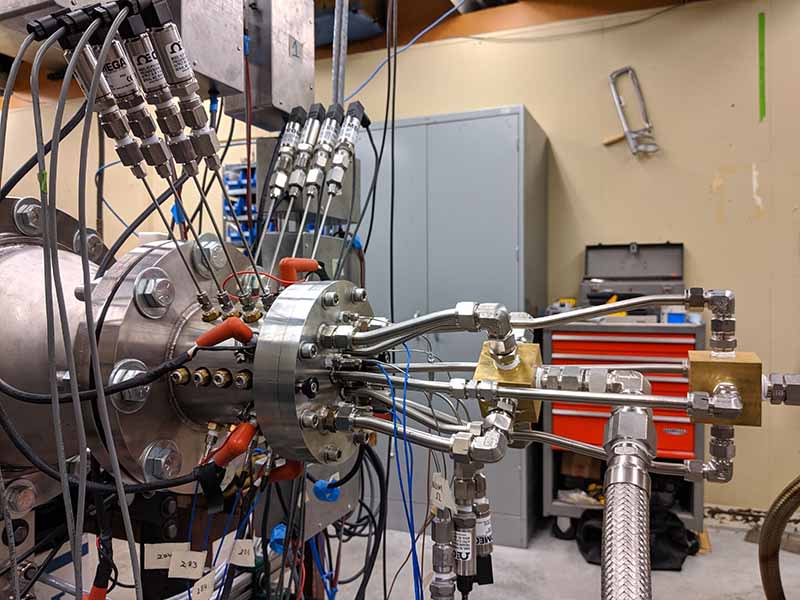
Ending NASA’s Space Shuttle into orbit required more than 3.5 million pounds of fuel, which is about 15 times heavier than a blue whale. But a new type of engine — called a rotating detonation engine — promises to make rockets not only more fuel-efficient but also more lightweight and less complicated to construct. There’s just one problem: Right now, the engine is too unpredictable to be used in an actual rocket.
Researchers at the University of Washington have developed a mathematical model that describes how these engines work. With this information, engineers can, for the first time, develop tests to improve these engines and make them more stable.
More From SAE Media Group
Tech Briefs
ARTEMIS I: Our Return to the Moon Begins
Aerospace INSIDER
Abort Motor for NASA’s Orion Spacecraft Successfully Tested
Tech Briefs
Wave Energy Modeling for Safer Space Travel


NASA Spinoff
Controlled Propulsion for Gentle Landings
Aerospace INSIDER
Orion Spacecraft Launched to Moon on Historic Artemis I Mission
Aerospace INSIDER
Virgin Galactic Reports on Pin Detachment From Recent Spaceflight
Aerospace INSIDER
Mission Will Test Drag Sail to Bring Rocket Back to Earth
Aerospace & Defense Tech Briefs
Northrop Grumman Tests, Qualifies Orion Launch Abort Motor for Flight in Cold Conditions
Aerospace INSIDER
NASA Tests New Green Propellants for Satellites
Motion Control and Automation Technology INSIDER
Researchers Help NASA Eliminate Vibration in Space System Joints
Tech Briefs
Going Back to the Moon with Orion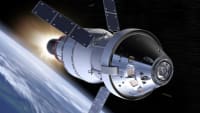
Tech Briefs
ARTEMIS II: Astronauts on Board


Tech Briefs
ARTEMIS: Back to the Moon

Aerospace INSIDER
Blue Origin Rocket Reaches Intended Orbit on First Launch
Aerospace & Defense Tech Briefs
Electric Propulsion for a Nuclear-Powered Spacecraft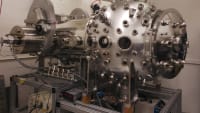
Tech Briefs
In the Driver’s Seat of Artemis I
Podcasts
Rockets
Tech Briefs
How Artemis I Launched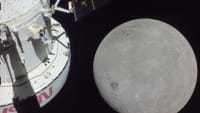
Tech Briefs
Measuring Aggressive Launch Loads on Spacecraft
NASA Spinoff
Water-Powered Engines Offer Satellite Mobility
Test & Measurement/Sensors INSIDER
NASA Tests 3D-Printed Rocket Fuel Pump

Aerospace & Defense Tech Briefs
Hybrid Propulsion Systems
Top Stories
INSIDERDefense
 New Raytheon and Lockheed Martin Agreements Expand Missile Defense Production
NewsAutomotive
 Ford Announces 48-Volt Architecture for Future Electric Truck
INSIDERManufacturing & Prototyping
 Active Strake System Cuts Cruise Drag, Boosts Flight Efficiency
ArticlesTransportation
 Accelerating Down the Road to Autonomy
INSIDERMaterials
 How Airbus is Using w-DED to 3D Print Larger Titanium Airplane Parts
Road ReadyTransportation

Webcasts
Electronics & Computers
 Cooling a New Generation of Aerospace and Defense Embedded...
Power
 Battery Abuse Testing: Pushing to Failure
Connectivity
 A FREE Two-Day Event Dedicated to Connected Mobility
Automotive
 Quiet, Please: NVH Improvement Opportunities in the Early Design Cycle
Transportation
 Advantages of Smart Power Distribution Unit Design for Automotive &...
Aerospace
 Sesame Solar's Nanogrid Tech Promises Major Gains in Drone Endurance