




Supersonic Aircraft Window Goes Virtual
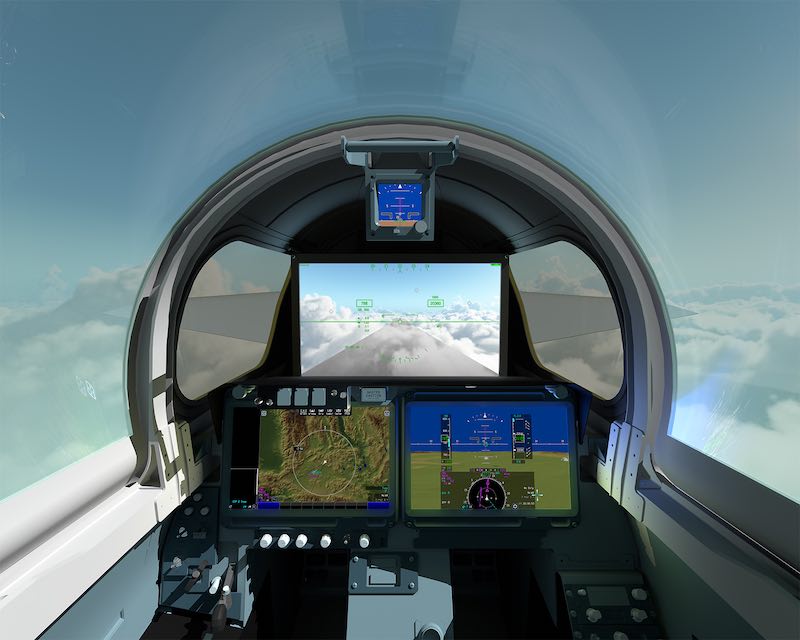
NASA’s X-59 Quiet SuperSonic Technology (QueSST) aircraft will eliminate the cockpit’s forward-facing window, replacing it with the eXternal Visibility System (XVS) that uses a 4K monitor that serves as the central window and allows the pilot to safely see traffic in his or her flight path. The XVS displays stitched images from two cameras outside the aircraft combined with terrain data from an advanced computing system.
The XVS is one of several solutions to help ensure the X-59’s design shape reduces a sonic boom to a gentle thump heard by people on the ground. During flight, the XVS uses its processing power with custom image processing software and camera systems to create an augmented reality view of the X-59 pilot’s forward line-of-sight along with graphical flight data overlays.
More From SAE Media Group
NASA Spinoff
Flying (Not Quite) Blind
Tech Briefs
The Future of Supersonic Travel
Tech Briefs
NASA's X-59 Supersonic Plane Takes Flight
Aerospace & Defense Tech Briefs
G5000 Prime Flight Deck

Aerospace & Defense Tech Briefs
Anthem Flight Deck First Flight
Aerospace INSIDER
Pilot Assistance System Enables Low-Noise Landings

Aerospace INSIDER
NASA’s Quiet Supersonic Demonstrator Jet Completes First Flight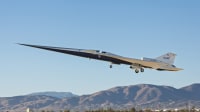
Tech Briefs
Novel Control Method in Tailless Aircraft


Aerospace & Defense Tech Briefs
Mission Control System
Motion Design INSIDER
Tailless Jet Flies Free with Novel Control Technique
Aerospace & Defense Tech Briefs
Next Generation Airborne Navigation System
Tech Briefs
How Much Do You Know About Supersonic Flight?
Aerospace INSIDER
NASA and Boeing Partner to Advance Aviation
Aerospace & Defense Tech Briefs
Hybrid Electric Aircraft Demonstrator
Aerospace & Defense Tech Briefs
AI Algorithms Pilot X-62A in First Aerial Dogfight
NASA Spinoff
Artificial Eyes Give Pilots a New Worldview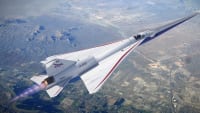
Aerospace INSIDER
Cockpit Display Shows Precise Locations of Sonic Booms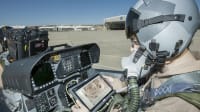
Aerospace & Defense Tech Briefs
VISTA X-62
Aerospace & Defense Tech Briefs
Uncrewed Solar Aircraft Passes Key Ground Tests
Aerospace & Defense Tech Briefs
Helsing’s New CA-1 Europa Autonomous Fighter Jet
Aerospace INSIDER
X-59 Supersonic Aircraft Cleared for Final Assembly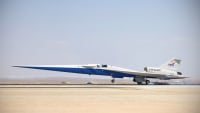
NASA Spinoff
From Shark Searches to Space Tours
Top Stories
NewsSensors/Data Acquisition
 Microvision Aquires Luminar, Plans Relationship Restoration, Multi-industry Push
INSIDERRF & Microwave Electronics
 A Next Generation Helmet System for Navy Pilots
INSIDERWeapons Systems
 New Raytheon and Lockheed Martin Agreements Expand Missile Defense Production
NewsAutomotive
 Ford Announces 48-Volt Architecture for Future Electric Truck
INSIDERAerospace
 Active Strake System Cuts Cruise Drag, Boosts Flight Efficiency
ArticlesTransportation

Webcasts
Aerospace
 Cooling a New Generation of Aerospace and Defense Embedded...
Energy
 Battery Abuse Testing: Pushing to Failure
Power
 A FREE Two-Day Event Dedicated to Connected Mobility
Automotive
 Quiet, Please: NVH Improvement Opportunities in the Early Design Cycle
Electronics & Computers
 Advantages of Smart Power Distribution Unit Design for Automotive &...
Unmanned Systems
 Sesame Solar's Nanogrid Tech Promises Major Gains in Drone Endurance