




NASA Unveils the Future of Science Drones
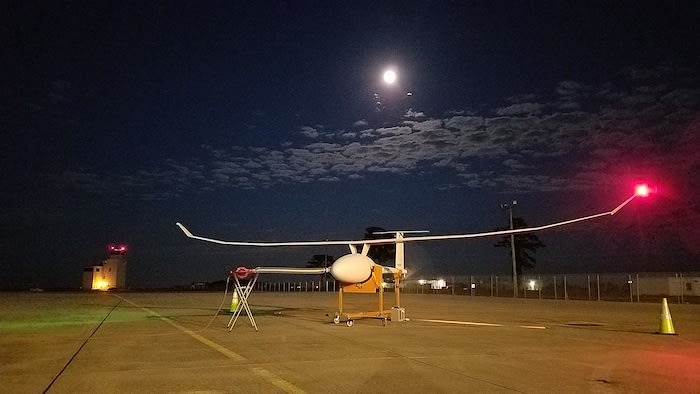
NASA scientists now have use of two agency-developed unmanned aerial systems that some say represent the future for drone aircraft. The drones purposely were designed for scientific investigations and offer the scientific community complementary, easy-to-use capabilities at a lower cost.
One can carry 35 pounds of payload, fly at 500 to 15,000 feet above sea level, and carry out research over the most forbidding locations on Earth. The second drone was developed to fit inside a vehicle trunk, take off anywhere, and fly up to 90 minutes over 705 acres, with a full payload.
More From SAE Media Group

Aerospace INSIDER
NASA Technologies Improve Drone Design
Aerospace INSIDER
MQ-1C Completes First Air-Launched Effect Flight Demonstration
Aerospace INSIDER
UAV Software Prioritizes Human Safety
Aerospace & Defense Tech Briefs
MUSHER Demonstrates Manned-Unmanned Aircraft Teaming Applications
Aerospace INSIDER
Crashing Into Safe Autonomous Flight
Aerospace & Defense Tech Briefs
Unmanned Aerial Vehicle
Aerospace INSIDER
VSR700 Unmanned Helicopter Performs Autonomous Flight Testing with DGA
Aerospace INSIDER
BAE Systems Acquires Developer of Electric Heavy Lift Quadcopters
Aerospace INSIDER
Commercial UAS Observes Earth for Days or Weeks at a Time
Tech Briefs
Modular, In-Air, Multi-UAV Docking
Aerospace INSIDER
Drone Traffic Management System Wins NASA Invention of the Year

Aerospace INSIDER
NASA Brings Air Mobility Vision to Stratospheric Heights
Aerospace INSIDER
GA-ASI Announces Gray Eagle 25M for Multi-Domain Operations
Aerospace INSIDER
Air Force Researchers Design, Build and Fly Drone in 24 Hours
Tech Briefs
5Ws of an All-Electric Delivery Drone

Aerospace INSIDER
Platform Converts Standard Aircraft to UAV, and Back
Aerospace INSIDER
NASA’s New UAV is 80% 3D-Printed

Aerospace & Defense Tech Briefs
Assessment of Noncommercial Icing Prediction Capabilities for Army Applications
Tech Briefs
A Drone Takes Off in UCSD's 'Aerodrome'

Aerospace INSIDER
NASA and Partners Demonstrate Unmanned Aircraft Technologies
Aerospace & Defense Tech Briefs
Foreign Counter-Unmanned Aerial Systems: Developments in the International Arms Markets
Tech Briefs
Insect-Inspired Arms Improve Drones
Aerospace INSIDER
NASA Tests Could Lead to FAA Integration of UAVs
Aerospace INSIDER
3D-Printed Turbine Extends Drone Power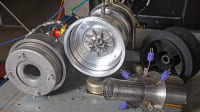
Top Stories
INSIDERManufacturing & Prototyping
 How Airbus is Using w-DED to 3D Print Larger Titanium Airplane Parts
INSIDERManned Systems
 FAA to Replace Aging Network of Ground-Based Radars
NewsTransportation
 CES 2026: Bosch is Ready to Bring AI to Your (Likely ICE-powered) Vehicle
NewsSoftware
 Accelerating Down the Road to Autonomy
EditorialDesign
 DarkSky One Wants to Make the World a Darker Place
INSIDERMaterials
 Can This Self-Healing Composite Make Airplane and Spacecraft Components Last...
Webcasts
Defense
 How Sift's Unified Observability Platform Accelerates Drone Innovation
Automotive
 E/E Architecture Redefined: Building Smarter, Safer, and Scalable...
Power
 Hydrogen Engines Are Heating Up for Heavy Duty
Electronics & Computers
 Advantages of Smart Power Distribution Unit Design for Automotive...
Unmanned Systems
 Quiet, Please: NVH Improvement Opportunities in the Early Design...
