




Researchers Advance Propulsion Toward Low-Carbon Aircraft
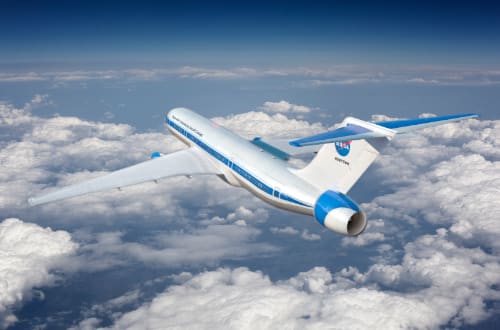
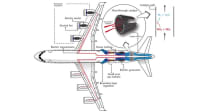
Just as hybrid or turboelectric power has improved fuel efficiency in cars, boats and trains, aeronautical engineers are exploring how planes can be redesigned and configured with electrical power. One of NASA’s goals is to help the aircraft industry shift from relying solely on gas turbines to using hybrid electric and turboelectric propulsion in order to reduce energy consumption, emissions and noise.
“Our work is laying a foundation for planes that will require less fossil fuel in the future,” says Glenn Engineer Cheryl Bowman, a technical lead on the project. “Considering that the U.S. aviation industry carries over 700 million passengers every year, making each trip more fuel efficient (by up to 30 percent) can have a considerable impact on the nation’s total use of fossil fuels.”
More From SAE Media Group
Aerospace INSIDER
NASA Uses Electric Propulsion in Experimental Plane
Aerospace & Defense Tech Briefs
Engineering an Aircraft Hydrogen Powertrain
Aerospace INSIDER
Improving Performance of Hybrid-Electric Aircraft
Automotive Engineering
Hydrogen Industry Vet Says Fuel Cells Still a ‘Go’
Aerospace INSIDER
Collins Aerospace Completes Preliminary Design of 1MW Electric Motor

Green Design & Manufacturing
Green Aircraft Contest Takes Off

Aerospace Manufacturing and Machining INSIDER
GE Concludes Phase 1 Testing on XA100 Adaptive Cycle Engine

Aerospace & Defense Tech Briefs
Bye Aerospace’s Sun Flyer Is Now the “EFlyer”
Aerospace & Defense Tech Briefs
Bringing Turbine Power to Small Aircraft
Tech Briefs
How Much Do You Know About Wind Turbines?
Aerospace & Defense Tech Briefs
Rolls-Royce to Work with Airframe Manufacturers, Seek Partners for EVTOL Project
Tech Briefs
Novel Turboelectric Aircraft Design
Aerospace & Defense Tech Briefs
MagniX and AeroTEC to Fly All-Electric ECaravan May 28
Aerospace INSIDER
Why Hybrid-Electric is a Key Solution for Decarbonizing Aviation
Aerospace INSIDER
Wing Configuration Could Reduce Fuel Consumption
Aerospace INSIDER
Machine Could Power the Future of Aviation Propulsion
Aerospace & Defense Tech Briefs
Hybrid Auxiliary Propulsion System

Automotive Engineering
EFuels: An Alternative to the Alternative

Aerospace INSIDER
NASA Funds All-Electric Aircraft Research
Off-Highway Engineering
ACT Expo: Honda Shows Class 8 Hydrogen Fuel-Cell Truck Concept


Motion Design INSIDER
Megawatt Electrical Motor Could Help Electrify Aviation
Top Stories
INSIDERManufacturing & Prototyping
 How Airbus is Using w-DED to 3D Print Larger Titanium Airplane Parts
INSIDERManned Systems
 FAA to Replace Aging Network of Ground-Based Radars
NewsTransportation
 CES 2026: Bosch is Ready to Bring AI to Your (Likely ICE-powered) Vehicle
NewsSoftware
 Accelerating Down the Road to Autonomy
EditorialDesign
 DarkSky One Wants to Make the World a Darker Place
INSIDERMaterials
 Can This Self-Healing Composite Make Airplane and Spacecraft Components Last...
Webcasts
Defense
 How Sift's Unified Observability Platform Accelerates Drone Innovation
Automotive
 E/E Architecture Redefined: Building Smarter, Safer, and Scalable...
Power
 Hydrogen Engines Are Heating Up for Heavy Duty
Electronics & Computers
 Advantages of Smart Power Distribution Unit Design for Automotive...
Unmanned Systems
 Quiet, Please: NVH Improvement Opportunities in the Early Design...
