




NASA Tests Green Aviation Technology
Two NASA experiments designed to help reduce fuel consumption and emissions will fly this spring on a specially outfitted Boeing 757 airplane called the ecoDemonstrator. One includes 31 small devices that will blow jets of air on the vertical tail, and the other involves non-stick coatings to help repel bugs from the leading edge of wings. Both are designed to improve the air flow over the surface and ultimately reduce drag.

The Active Flow Control Enhanced Vertical Tail Flight Experiment involves 31 tiny jets installed on the ecoDemonstrator that can manipulate, on demand, the air that flows over the plane’s vertical tail and rudder surfaces. Engineers theorize they could reduce the size of the vertical tail by using the sweeping jets to generate the same side force during takeoff and landing that a larger tail does. That would reduce the weight and drag of the airplane and decrease its fuel consumption.
In another set of flight tests near Shreveport, LA, NASA is assessing how well five different coatings repel insect residue in an experiment called Insect Accretion and Mitigation. Bug remains may be a nuisance on cars, but on some airplane designs, they are also a drag, quite literally. Studies have shown that keeping the flow smooth, called laminar, over a wing can reduce fuel consumption as much as six percent.
More From SAE Media Group
Test & Measurement INSIDER
NASA Tests Shape-Changing Wing for Next-Generation Aviation
Aerospace INSIDER
NASA Tests Aircraft Wing Coatings that Slough Bug Guts
Motion Design INSIDER
Tailless Jet Flies Free with Novel Control Technique
Aerospace INSIDER
New DARPA X-Plane Will Have No Moving Control Surfaces
Aerospace INSIDER
NASA Tests Revolutionary Shape-Changing Aircraft Flap
Aerospace INSIDER
NASA Flies Drones in Aircraft Noise Test
Tech Briefs
Novel Control Method in Tailless Aircraft
Aerospace & Defense Tech Briefs
Boeing’s EcoDemonstrator 757 Used to Get the Bugs Out
Aerospace INSIDER
Memory Metals Shape the Evolution of Aviation
Aerospace INSIDER
Delta Air Lines, JetZero to Design Commercial Blended Wing Body Airliner
Aerospace INSIDER
Archer Achieves First Untethered Flight with Midnight eVTOL

Aerospace INSIDER
Slim Wing Can Reduce Aircraft Fuel Use and Emissions by 50%
Tech Briefs
Fixed-Wing Angle eVTOL
NASA Spinoff
From Shark Searches to Space Tours
Aerospace & Defense Tech Briefs
NASA Pursues Coatings That Reduce Bug Debris to Improve Aerodynamics
Aerospace & Defense Tech Briefs
Airbus to Fly Prototype eVTOL This Year
Aerospace INSIDER
Airbus Starts Testing Airplane Wing That Changes Shape In-Flight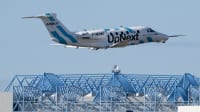
Aerospace & Defense Tech Briefs
Designing a High-Speed Decoy Unmanned Aerial Vehicle (UAV)
Aerospace INSIDER
Flight-Testing of New Airbus A321XLR Gathers Momentum
Tech Briefs
Aircraft Vertical Takeoff and Landing
Aerospace & Defense Tech Briefs
Air Force Receives First Joby eVTOL
NASA Spinoff
Flying (Not Quite) Blind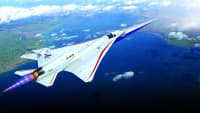
Tech Briefs
Outer Aileron Yaw Damper
Top Stories
NewsSensors/Data Acquisition
 Microvision Aquires Luminar, Plans Relationship Restoration, Multi-industry Push
INSIDERRF & Microwave Electronics
 A Next Generation Helmet System for Navy Pilots
INSIDERWeapons Systems
 New Raytheon and Lockheed Martin Agreements Expand Missile Defense Production
NewsAutomotive
 Ford Announces 48-Volt Architecture for Future Electric Truck
INSIDERAerospace
 Active Strake System Cuts Cruise Drag, Boosts Flight Efficiency
ArticlesTransportation

Webcasts
Aerospace
 Cooling a New Generation of Aerospace and Defense Embedded...
Energy
 Battery Abuse Testing: Pushing to Failure
Power
 A FREE Two-Day Event Dedicated to Connected Mobility
Automotive
 Quiet, Please: NVH Improvement Opportunities in the Early Design Cycle
Electronics & Computers
 Advantages of Smart Power Distribution Unit Design for Automotive &...
Unmanned Systems
 Sesame Solar's Nanogrid Tech Promises Major Gains in Drone Endurance